
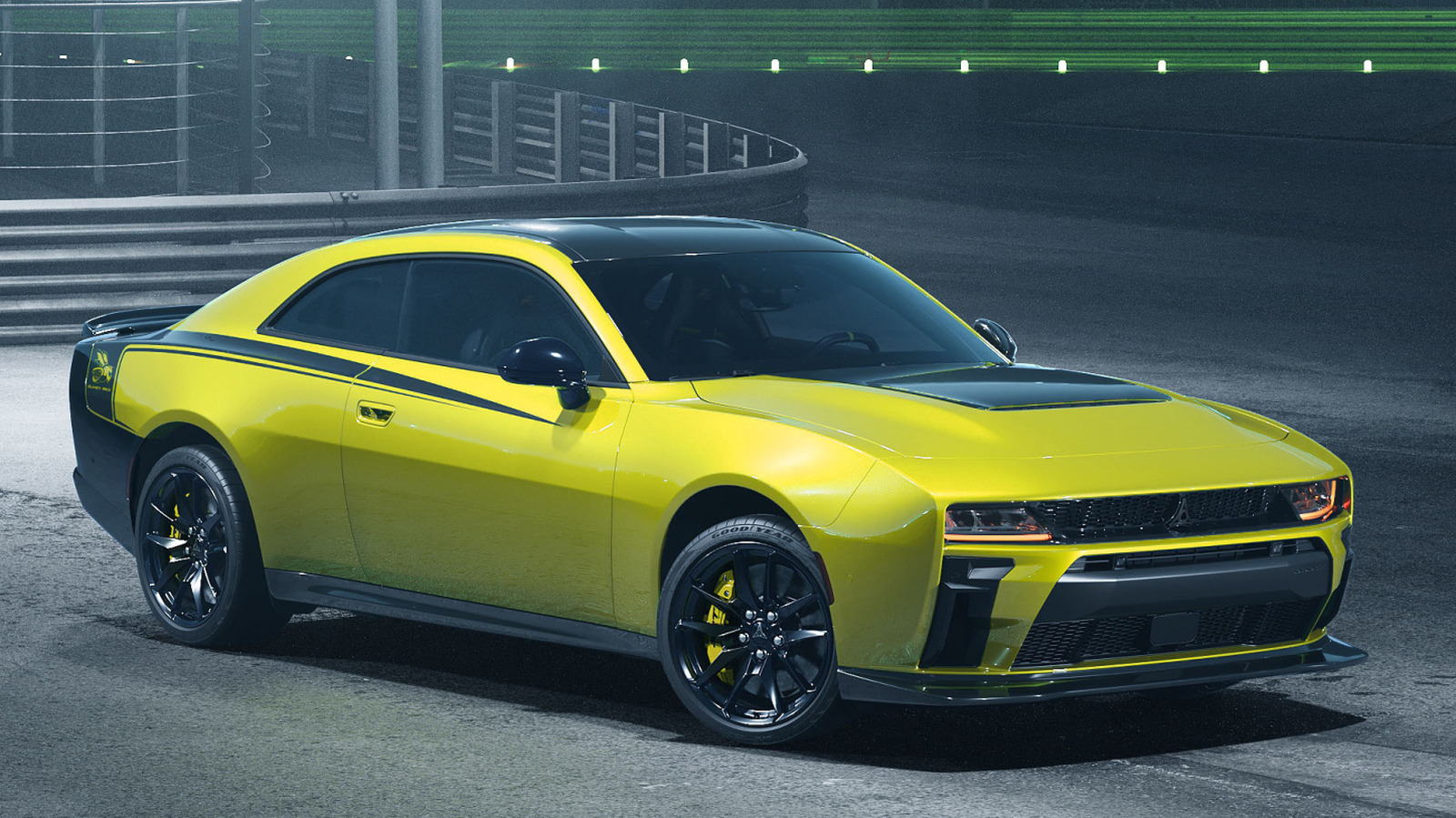
American car brands are leaning back into combustion power for a few blunt reasons: profits, consumer demand, and the way the EV market has cooled under new policy pressure. The shift is not really about nostalgia. It is about what still sells, what still pays, and what can keep U.S. automakers competitive while Chinese EV makers keep pressing hard from the other side of the world.
One big change is the end of the federal tax credits that used to make new and used EVs cheaper for buyers. Take away that incentive, and the price gap gets a lot harder to ignore, especially for shoppers who already see electric vehicles as a premium purchase. That makes internal combustion vehicles, especially trucks and large SUVs, even more central to the bottom line.
That matters because the money is still coming from the gas-powered side of the showroom. Pickup trucks and full-size SUVs continue to do the heavy lifting for American brands, while EV sales remain a relatively small slice of the market. Even with electrification spreading, the overwhelming majority of new vehicles sold in the U.S. still use a combustion engine in some form.
The real pressure point is global competition. Chinese automakers have developed a huge advantage in building EVs at scale, and that puts U.S. companies in a tough spot if they try to fight only on battery cars. American brands have to decide whether to chase that market head-on or protect their strongest business by doubling down on the vehicles Americans already buy in huge numbers.
Hybrids are becoming the obvious bridge. They offer better fuel economy without forcing buyers to commit fully to charging, range planning, or higher upfront costs. For a lot of shoppers, that middle ground feels practical, and for automakers, it offers a safer way to keep combustion alive while adding efficiency.
Japanese and South Korean brands have been especially strong here, with hybrids showing up across more of their lineup. Toyota, Honda, and Hyundai have turned that into a real advantage, because they are meeting buyers where the market actually is. American brands, by comparison, have been slower to build out hybrids across the board, which leaves them chasing instead of setting the pace.
General Motors is a good example of the gap. It has hybrid performance models, but those are built for speed and power, not economy. That leaves a noticeable hole in the lineup for buyers who want something efficient without going full electric, and it also makes GM more exposed if fuel prices climb or EV demand stays uneven.
Ford has taken a more balanced approach. The Maverick hybrid, Escape hybrid, and F-150 hybrid all give the company a foothold in a space that keeps growing in importance. Those models show that customers will buy electrified vehicles when the package makes sense, especially if the vehicle still feels familiar and useful.
Stellantis has gone in a more mixed direction. It has pulled back from some plug-in hybrid offerings, but it still has hybrid power in key places, including the new Jeep Cherokee and the Ram 1500’s 48-volt setup for the near term. Range-extender systems are also coming into the picture, which suggests the company is still searching for the right balance between muscle, efficiency, and cost.
The bigger lesson is pretty simple. If American brands want to keep combustion relevant, they cannot just keep leaning on old-school V-8 swagger and hope for the best. They need more hybrids, more smart electrified options, and a plan that keeps them strong if low-cost EVs from China start flooding the market and squeezing margins even harder.
