
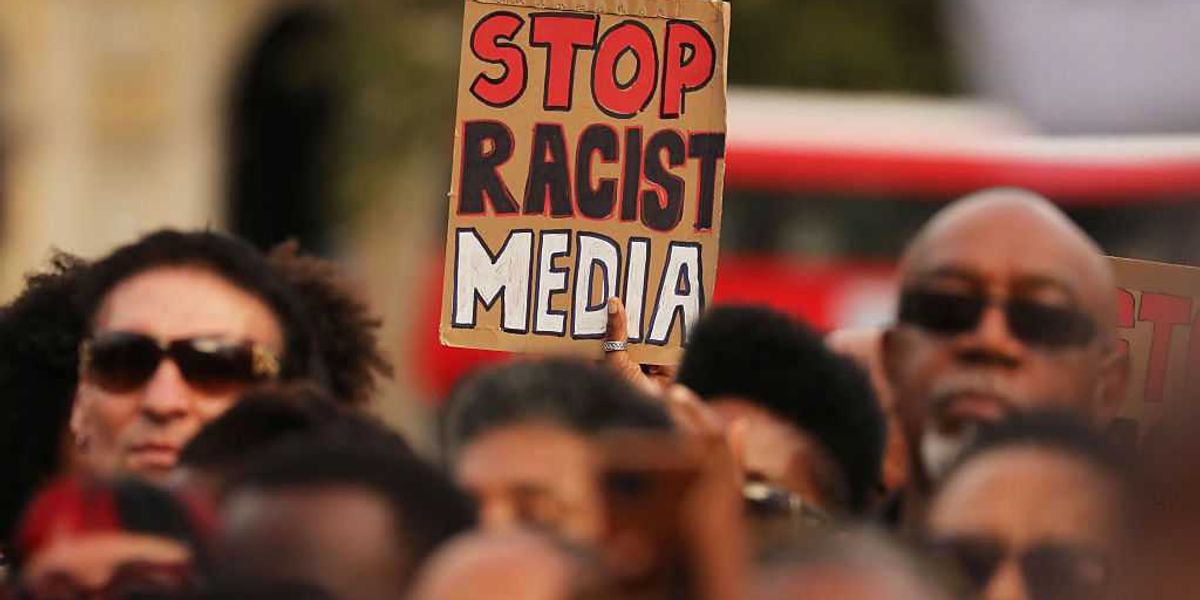
Jason Arday’s rise, the claims around his work, and the way the story has been handled have turned into a sharp argument about truth, race, and academic credibility. What should have been a straightforward look at a professor’s record instead became a messy test of how much pressure institutions and media can absorb before they start bending facts. That tension sits at the center of the whole controversy.
The attention around Arday did not come out of nowhere. He has been presented as an inspiring figure in higher education, and that kind of spotlight can quickly harden into a public narrative that few people want to question. Once a person is framed as a symbol, criticism of details can start getting treated like criticism of the cause itself.
That is where the trouble starts. When public figures are wrapped in language about progress and justice, basic questions about accuracy can get pushed aside, especially if those questions make the wrong people uncomfortable. The result is a culture where reputation often matters more than whether the story holds up under pressure.
Plagiarism accusations and claims of fraud do more than damage one person’s standing. They cut right into the trust that universities depend on, because academic life is supposed to run on evidence, citation, and honesty. When those standards seem flexible for some people and rigid for others, the whole system starts to look less like scholarship and more like performance.
That is why the response from institutions matters so much. Cambridge University, and any similar school caught in a storm like this, cannot afford to look like it is hiding behind branding while ducking the substance of the complaint. If a university wants respect, it has to show that truth still comes first, even when the answer is awkward.
The broader problem is bigger than one professor or one campus. In the modern media environment, stories can spread fast while verification lags behind, and once an uplifting narrative takes hold, it can be almost impossible to slow it down. People are encouraged to react emotionally first and ask the hard questions later, if at all.
That is also why the surrounding antiracism politics matter so much here. Some activists and commentators have trained audiences to see every challenge to a favored figure as proof of bias, which turns honest scrutiny into a kind of taboo. But truth does not become less true because a story is politically useful.
The Ibram X. Kendi style of public discourse has helped normalize that pattern, where institutions are pressured to treat identity claims as untouchable and disagreement as hostility. That creates a strange and fragile setup, because it demands total faith while punishing doubt. A healthy culture should be able to separate dignity from exemption.
Free speech has a role in all of this too. If critics cannot raise concerns without being smeared, then the people making the biggest claims get the least scrutiny, and that is backwards. A serious society should welcome tough questions, not try to bury them under slogans and moral panic.
What makes the whole affair so combustible is that it sits at the intersection of race, status, and trust. Some people want the story to be about prejudice, others want it to be about professional standards, and those two things get tangled fast in public debate. Still, the basic rule remains simple: if the record is shaky, it should be examined, not waved away.
There is real damage when media outlets rush to celebrate a person before checking whether the claims are solid. Corrections rarely travel as far as the original praise, and that leaves the public stuck with a polished image that may not survive contact with the facts. In the long run, that kind of imbalance makes skepticism look wiser than blind applause.
None of this requires cynicism for its own sake. It just requires the old-fashioned idea that credibility has to be earned, defended, and tested under real scrutiny. When institutions forget that, they invite exactly the kind of backlash that follows stories like this, because people can tell when truth has been treated like a decoration instead of a standard.
