
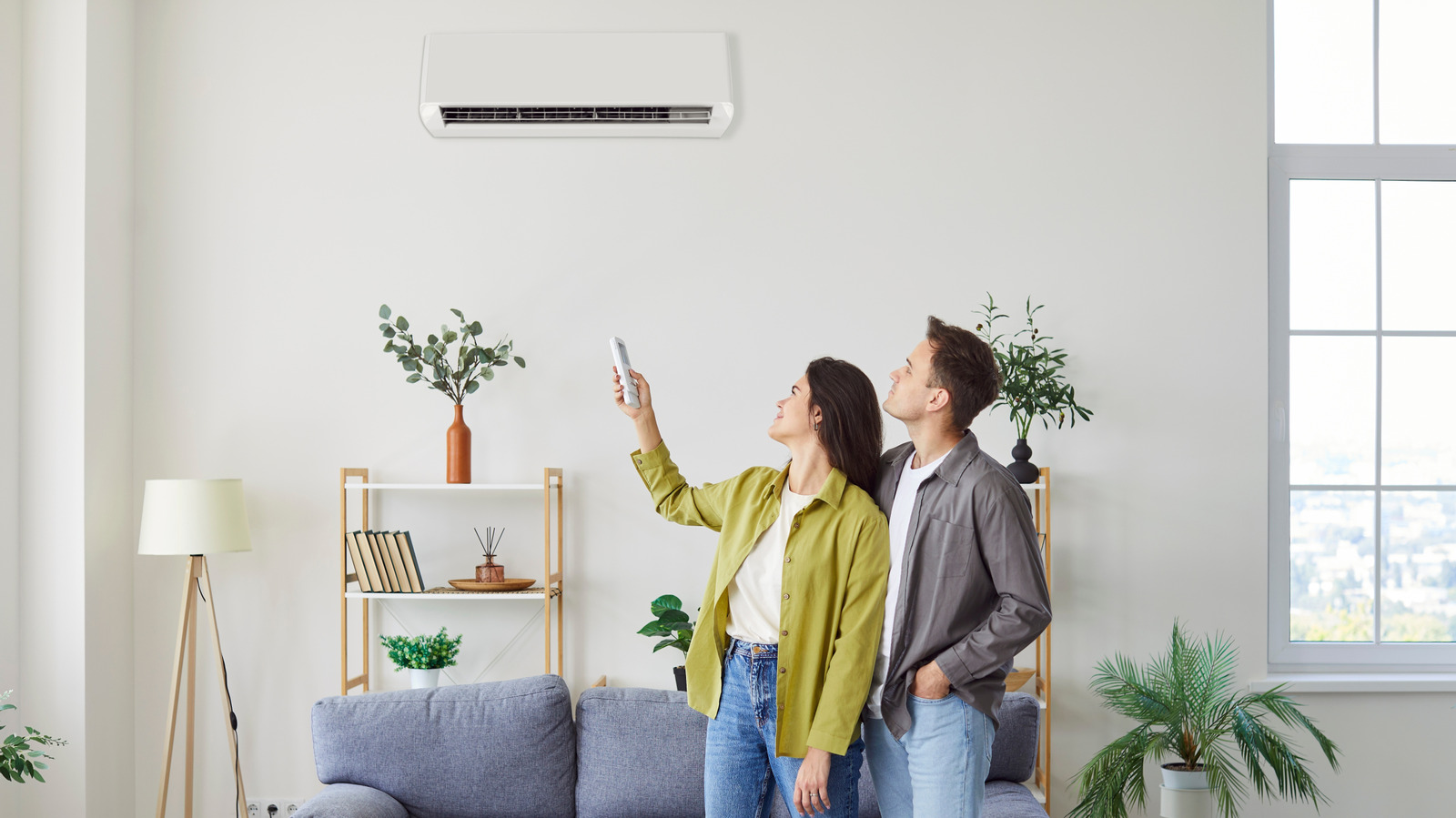
When the temperature outside starts pushing into dangerous territory, a lot of people reach for the thermostat and hear the same advice again and again: set the AC to 78 degrees. That number has a reputation for landing in the sweet spot between staying reasonably cool and avoiding a power bill that makes your eyes water. But the real story is a little messier, because comfort, health, and energy use do not always line up neatly.
Air conditioners are usually built to knock the indoor temperature down by roughly 20 degrees compared with the air outside. So if the heat index is screaming near 100, the system may only be able to pull the room toward 80 or so without working itself into a frenzy. That is why 78 degrees gets tossed around so often, since it sits close enough to that rough operating range to keep the unit from running harder than it needs to.
The logic is simple enough. Keeping the thermostat near that mark can reduce how often the system kicks on and how long it has to keep pushing cold air through the house. Less strain on the unit usually means less strain on the wallet, which is a big deal when summer heat refuses to back off. For plenty of households, 78 is not icy, but it is enough to make the room feel livable instead of miserable.
Still, the idea that 78 degrees is the perfect setting for everyone is where the advice starts to crack. Temperature tolerance is personal, and what feels fine to one person can feel sticky and unbearable to another. If everyone in the house is squirming, sweating, and losing sleep, saving a few dollars stops feeling like a win.
That becomes even more important when children, older adults, or people with health issues are involved. Very young kids and elderly family members can have a harder time dealing with heat, and some chronic conditions make it tougher to regulate body temperature or stay hydrated. In those cases, a slightly cooler setting is not a luxury, it can be the safer choice.
Health concerns can also show up in less obvious ways. Conditions such as heart problems, diabetes, and anything that affects sweating or fluid balance can make high indoor temperatures risky fast. Someone may seem okay at 78 on the surface while quietly dealing with heat stress underneath, which is exactly why a one-number rule can fall short.
The smarter move is to treat 78 degrees as a starting point, not a law carved in stone. If the house feels okay and everyone is handling the heat, that setting may be perfectly fine for the day. If people start showing signs of overheating, it makes sense to lower the thermostat gradually until the room feels safer and more tolerable.
A few simple habits can help too, especially when the heat is relentless. Closed blinds can block out a lot of direct sunlight, and ceiling fans can help air move around so the room feels less heavy. Small changes like that do not replace the AC, but they can make a noticeable difference when the weather gets nasty and every degree starts to matter.
