
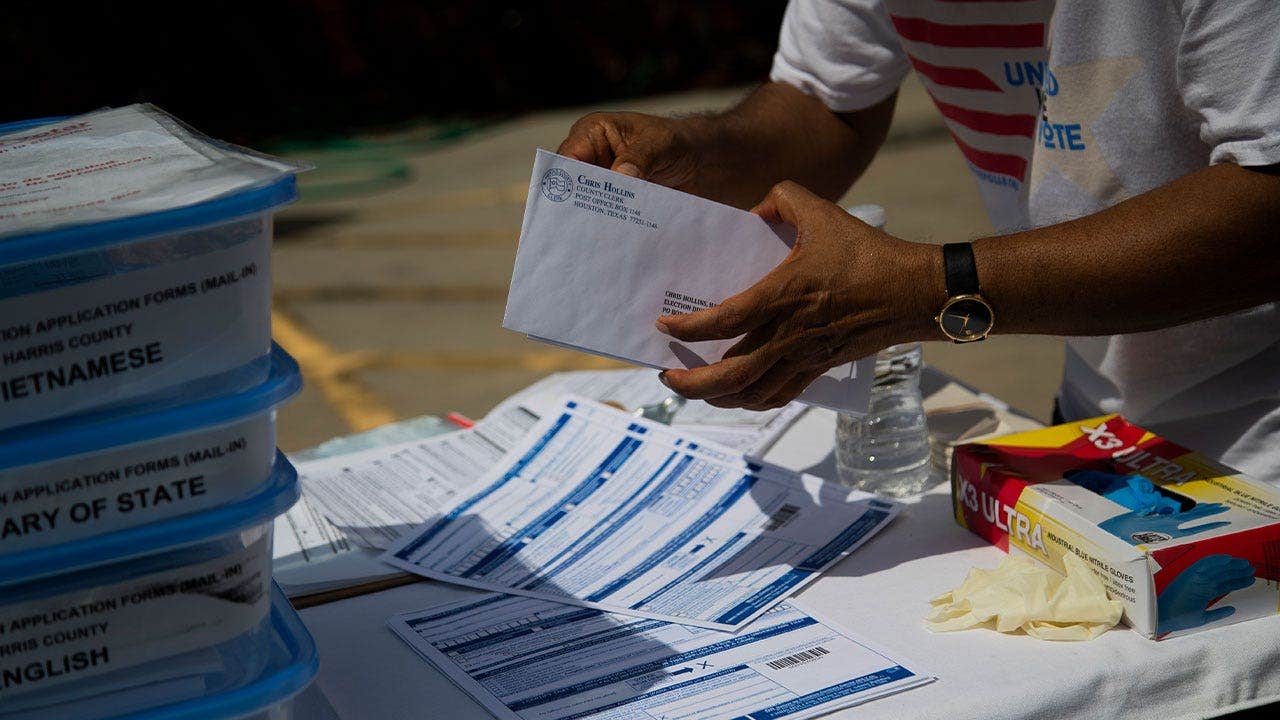
The 5th U.S. Circuit Court of Appeals gave Texas a big legal lift by restoring major parts of Senate Bill 1, reviving mail ballot ID checks and voter-assistance rules after years of courtroom wrangling. The ruling cuts through a lower court block and puts the state’s election integrity push back in place, while the fight over access, disability concerns, and standing still hangs in the air.
The decision came in an 11-page opinion that wiped out a district court order blocking nine parts of the 2021 law. Judges said the case had bounced back and forth for years, and this time the appeals panel made clear it was not inclined to keep second-guessing the legislature’s election rules.
At the center of the dispute are the kinds of safeguards that many voters barely notice unless something goes wrong. Texas now has its mail-in voters providing an ID number or Social Security number on applications, and that information has to line up with state records. The law also creates a way to correct defective ballots and requires both voters and helpers to sign an oath saying no coercion was involved.
The court also leaned hard on a familiar legal argument: not every plaintiff gets to drag a state into federal court and keep a law on ice. Judge Andrew Oldham wrote that the bulk of the claims failed because of standing, with one falling on the merits, and he said none of the challenges justified blocking Texas from trying to stop voter fraud and protect election integrity.
That wording matters because the broader dispute was never just about paperwork. Supporters of the law see these checks as basic common sense, a way to make sure ballots are real, matched correctly, and handled without pressure or confusion. Critics, meanwhile, have argued that the rules can create extra hurdles for people who already face obstacles when voting.
The blocked provisions had been tied up since March 2025, when a district judge halted them after multiple lawsuits were merged. Those challengers said the requirements made mail voting too hard for some voters with disabilities and ran afoul of the Americans with Disabilities Act, turning a state election law into a full-on civil rights battleground.
Texas law still allows mail voting for certain groups, including voters 65 and older and those who qualify because of a disability. That detail sits at the heart of why the case drew so much attention, since the state was trying to tighten the process without eliminating the option for the people who are legally allowed to use it.
The appeals court found that most of the groups challenging the law lacked standing, and it rejected one challenge outright. That kind of ruling can be devastating for plaintiffs because it shuts the courthouse door before the underlying policy debate even gets the full hearing they wanted.
Texas Attorney General Ken Paxton called the decision a major victory, and his reaction fit the larger political mood around the case. Senate Bill 1 was passed in 2021 during a fierce showdown over election rules, especially after Harris County’s pandemic-era voting efforts became a target for Republicans in Austin.
Democrats, civil rights groups, and voting advocates fought the measure from the start, and Texas House Democrats even broke quorum in a failed attempt to stop it. The battle over the law has become one of those long-running Texas fights where election security, access, and raw political muscle keep colliding in the open.
One detail the court highlighted could fuel even more debate. It noted that the share of mail ballot applications or ballots rejected because of ID-number errors dropped from 11% to 2.7% after the law took effect, a figure defenders will point to as proof the law cleaned things up instead of shutting people out.
