
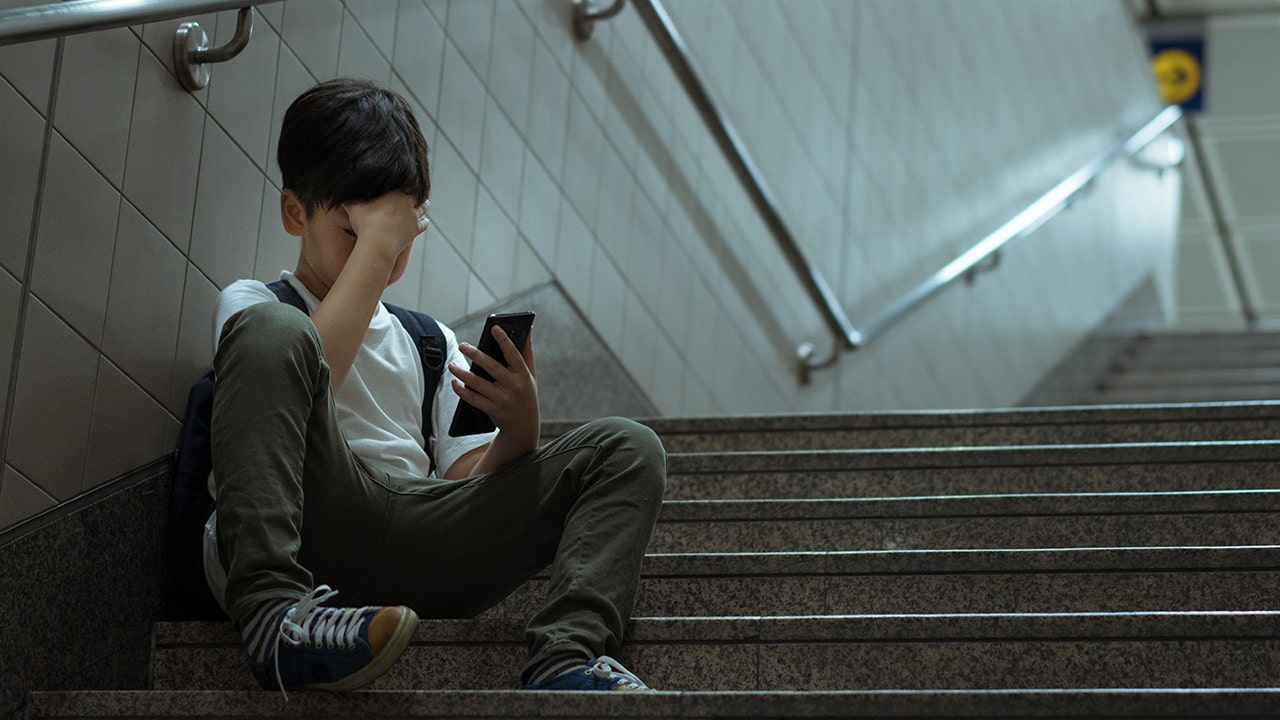
Cyberbullying is rarely loud at first. It often slips into a group chat, a private message thread or a shared photo that seems harmless until the laughing starts and the target is already hurting. The scary part is how normal it can look on the surface, even while it’s doing real damage underneath.
What kids call drama can be something much sharper. A rude joke, a fake account, a rumor, or an embarrassing image passed around for reactions can turn into a rolling attack fast. The person posting may shrug it off, but the child on the receiving end is the one staring at every new notification like it’s another punch.
That is why this issue goes way beyond screen time limits and basic device security. Children need help understanding privacy, empathy and the fact that digital choices stick around longer than they expect. Parents matter most here, but grandparents often become the safest first stop when a child feels nervous about speaking up at home.
Cyberbullying can hide inside the everyday stuff kids do online. A classmate might post one cruel comment, then ten other people pile on with laughing emojis, resharing, or screenshots that keep the humiliation alive. It may feel small to the crowd, but to the person being targeted, it can feel like the whole room turned against them.
The numbers show this is not a tiny problem. More than one in six U.S. high school students experienced electronic bullying in the past year, and teen users on major platforms say harassment is common. On apps like TikTok, Instagram and Snapchat, many teens report seeing bullying as part of the regular landscape, not some rare corner case.
One of the hardest things for adults to grasp is that a child may not see themselves as a bully at all. Forwarding a screenshot, tapping a reaction, or sharing a post because everyone else is doing it can all add fuel without feeling intentional. That is why the conversation has to focus on the impact, not just the intent.
There is also a newer layer of danger now. AI tools can whip up fake photos, cloned voices and believable videos that make humiliation feel even more real. A fake image may be easy to create, but the embarrassment, fear and social fallout are not fake to the child trapped in the middle of it.
For many families, the reflex is to say, “Just get off the app.” That sounds simple, but it misses how deeply connected teens are to their phones, friends and school life. For a lot of kids, leaving an app feels less like relief and more like being cut out of their own social world.
That gap between adults and kids is huge. Parents often believe their children can always come to them, but many teens are worried about punishment, loss of their phone or making the problem public. Grandparents can sometimes bridge that distance because kids may open up in a calmer, less loaded setting.
What helps most is a conversation that starts with curiosity, not blame. Ask what is happening in their chats, which posts feel awkward, and whether anything online has started to feel mean or unsafe. When adults ask how the other person would feel, kids are more likely to slow down and think before they hit send.
Families also need a plan for what happens if a message crosses the line. Save screenshots, keep names and dates, block the account, and report it through the platform before anything disappears. If students from the same school are involved, the school should know too, especially when attendance, safety or threats are in play.
Privacy settings matter, but so does the family culture around posting. A relative may share a school photo without thinking about the uniform logo, the location tag or the practice schedule in the background. Even well-meaning adults can hand bullies a map if they are not careful.
There is another hard truth here too. Children watch how adults behave online, and they copy what they see. If grown-ups are tossing insults in comment sections or sharing humiliating memes, kids learn that cruelty is just part of the game, which is the last lesson they need.
The best move is to keep the door open early, before a child has to choose between silence and embarrassment. If every trusted adult gives the same message, tell us what happened and we will listen first, kids are more likely to speak up. That kind of trust can make the difference between a hidden mess and a problem that gets stopped before it spreads.
