
GM’s old body-platform names can feel like alphabet soup at first, but the labels tell a pretty clear story once the era changes are laid out. The A-body and G-body both became famous in their own right, yet they served very different purposes as GM shifted from big rear-drive muscle to smaller, more efficiency-minded cars. That split is where the confusion starts, and it is also where the fun begins.
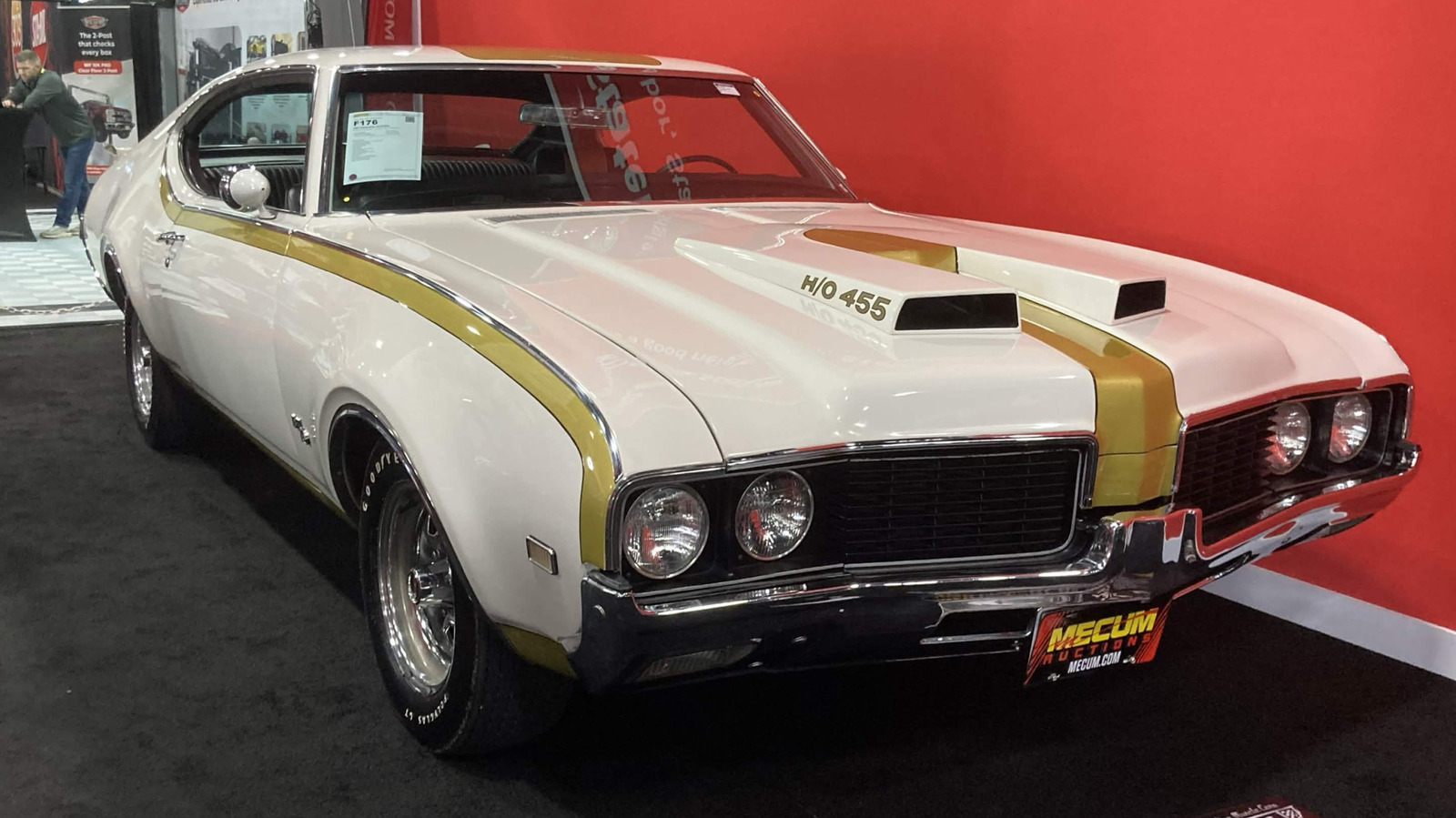
The original A-body was the classic GM intermediate platform, built around front-engine, rear-wheel-drive hardware that made it a natural home for family cruisers and street legends alike. It showed up under everything from sensible wagons to hard-hitting muscle machines, which is why names like Chevelle, GTO, and 4-4-2 still carry so much weight. For a long stretch, if someone pictured a midsize GM performance car, they were probably picturing an A-body.
Then the industry got jolted into a new reality. Rising fuel costs, tighter regulations, and changing buyer tastes pushed automakers toward smaller, thriftier cars, and GM had to rethink what its midrange lineup should be. That pressure helped usher in new platforms that leaned into efficiency, even if the results sometimes felt like a compromise compared with the glory days of the early muscle era.
The A-body name did not disappear, though. It evolved, and by the early 1980s it was attached to a very different kind of car, one that had far more in common with compact front-wheel-drive designs than with the old-school rear-drive bruisers. Same badge, different mission, and that is exactly why the term can trip people up when they are talking about classic GM metal across multiple decades.
The G-body, meanwhile, became the answer for buyers who still wanted a more traditional feel. It carried forward a rear-wheel-drive layout and a more upscale personality, making it a natural fit for personal luxury coupes, sporty cruisers, and cars with a little swagger built in. In a period when GM was changing direction fast, the G-body stayed planted in the older formula, which gave it a distinct identity all its own.
That identity produced some serious icons. The Buick Grand National and the even rarer GNX became instant legends, while the Chevrolet Monte Carlo and Oldsmobile Cutlass Supreme gave the platform broad appeal on showroom floors. There was style, there was street presence, and there was enough room for tuners and hot rodders to keep finding new ways to make these cars punch above their weight.
Part of the G-body’s lasting appeal is how adaptable it was. It worked across several GM divisions, which meant the same basic bones could support everything from quiet daily drivers to builds that still turn heads at a car meet decades later. That kind of flexibility is a big reason the platform never really faded away in enthusiast circles, even after the factory spotlight moved on.
What makes the A-body and G-body names tricky is that they are not just model labels, they are snapshots of GM’s changing priorities. One points to the big muscle-car era and its later front-drive reinvention, while the other holds onto the rear-drive spirit that many drivers still love. Put side by side, they tell the story of how GM tried to keep pace with the market without losing the personality that made its cars memorable in the first place.
