
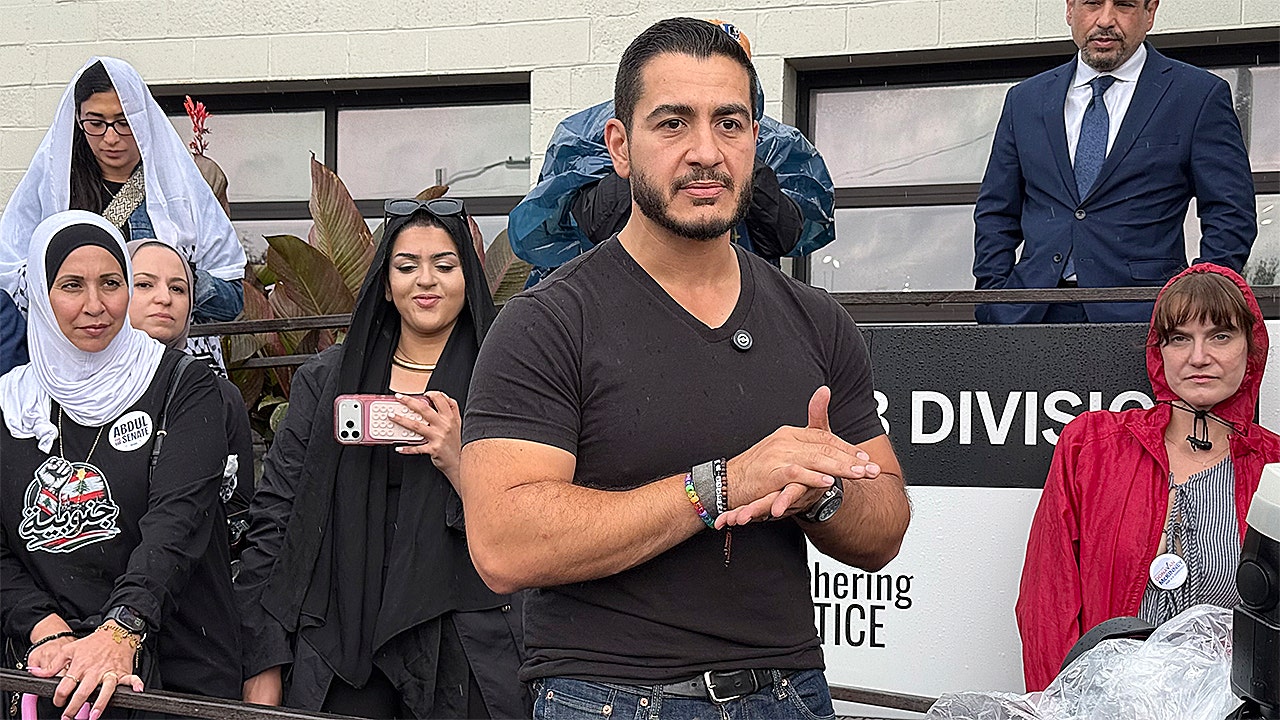
Abdul El-Sayed’s old words are getting fresh attention at just the wrong time for his Michigan Senate run. A resurfaced 2018 campaign interview puts his views on driver’s licenses for undocumented immigrants back in the spotlight, and the clip has revived a familiar fight over immigration, state ID, and what it means when government starts handing out official papers to people living in the country illegally.
In the interview, El-Sayed argued that denying licenses based on documentation status was discriminatory. He said, “We’ve got to make sure that in this state we are not discriminating against documentation status. Right now, if you’re undocumented, you don’t get access to a driver’s license. You’re stuck,” while making the case that state policy should treat immigration status as a barrier that needs to be removed.
At the time, El-Sayed was running for governor, not Senate. Eight years later, the same remarks carry a different weight as he campaigns for a seat in Washington and tries to broaden his appeal beyond the activist crowd. The clip gives voters a clean look at how he framed the issue then, and it also raises a bigger question about how far a state should go in normalizing the presence of people who entered the country illegally.
The political blowback is easy to understand. A driver’s license is not just a card for getting behind the wheel, since it often becomes the first piece of identification people reach for when they open bank accounts, fill out paperwork, or handle everyday transactions. Critics say that making it easier for undocumented immigrants to get that card can blur the line between living in the country legally and living in it under the radar.
That concern was spelled out by Hans von Spakovsky, who argued that in the United States, state licenses often serve as a stand-in for a national ID. He said issuing licenses to aliens can help them in the many moments when ID is required, from banking to other ordinary tasks, which is exactly why the policy draws so much attention from immigration hawks and enforcement-minded voters.
Spakovsky also pointed to employment forms and other routine checks, saying the paper trail matters more than most people realize. In his view, the easier it becomes for illegal aliens to rent, bank, and work, the harder it is to encourage them to leave on their own. That argument lands hard with voters who think government should make life less convenient for people who entered unlawfully, not smoother.
El-Sayed’s 2018 comments fit neatly into the broader lane he has carved out on the left. He has pushed for Medicare for all, backed tuition-free college, opposed corporate tax carve-outs, and leaned into a more government-centered vision on affordability, infrastructure, and public services. That mix has made him appealing to progressives who want a bigger state and a wider safety net, even if he avoids some of the labels that come with that territory.
He has also suggested that Democrats are moving in that direction nationally, saying there is growing support for government to do more. “You’re seeing that kind of resonance here in Michigan for sure. And I’m not surprised that you’re seeing that in New York, too. Government ought to be available to set an equal playing field for everybody and to offer those basic things that everybody needs and deserves,” El-Sayed told Fox News Digital in an interview.
That kind of language matters because it shows the worldview behind the license debate. If government is supposed to smooth out barriers and expand access, then a driver’s license for undocumented immigrants looks like one more tool in that mission. If government is supposed to draw clear lines and enforce them, then the same policy looks like a handout that rewards people who broke the rules in the first place.
El-Sayed’s campaign has not offered much clarity on where he stands now or how he would draw the line between basic services and legal status. That silence leaves room for opponents to define the issue for him, especially in a race where immigration, identity, and government power can all become flashpoints in a hurry. With the primary heating up, old words have a way of sounding a lot louder than they did the first time around.
