
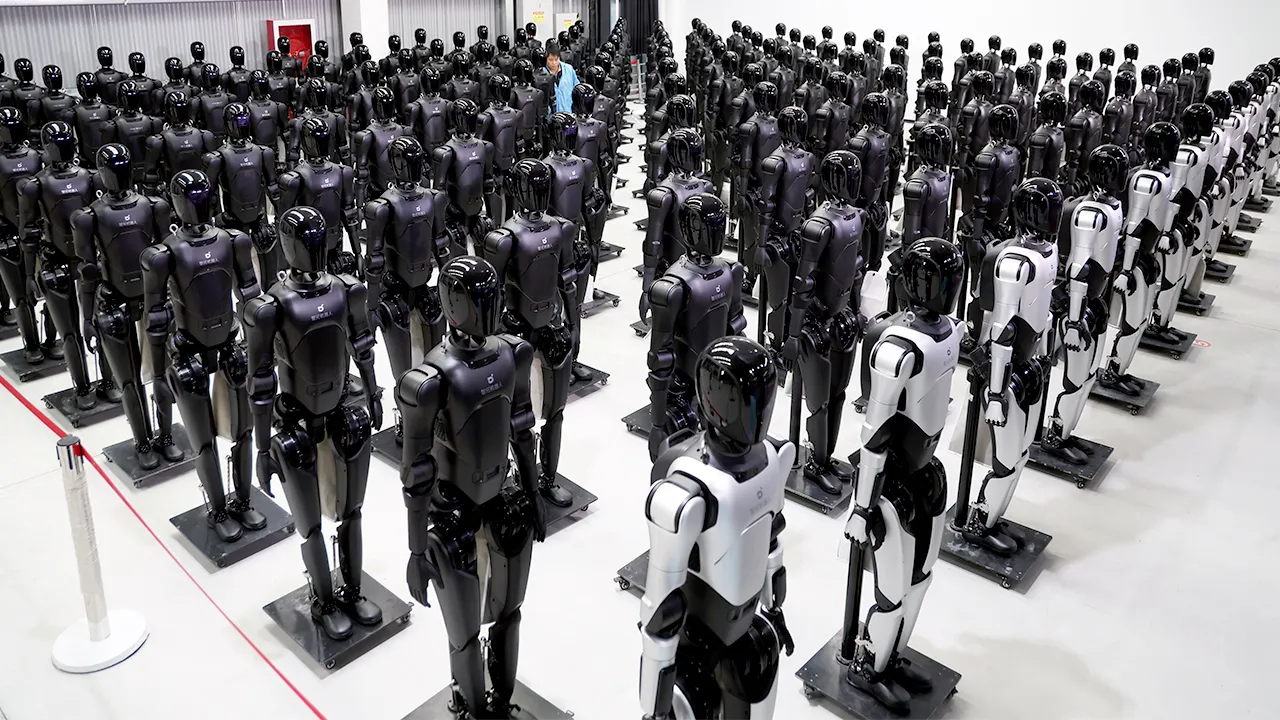
A new federal move is putting foreign-made robots and connected power inverters under a sharper microscope, and the reason is simple: Washington thinks these machines could be doing a lot more than moving parts around a factory floor. With cameras, cloud links, and remote access built in, the concern is no longer just about hardware, but about who might be watching, collecting data, or reaching into critical systems from the outside.
On July 28, the Federal Communications Commission added foreign-produced advanced robots and connected power inverters to its Covered List, which means many new models will not get the FCC authorization needed to be imported or sold in the United States. That does not automatically ban every foreign robot, but it does tighten the gate in a big way. The focus is aimed squarely at equipment that could create surveillance or cyber risks inside American homes, labs, factories, and energy systems.
China is at the center of this fight, even though the language reaches foreign-made products more broadly. U.S. officials want to cut down the chance that connected machines could be used to gather sensitive video, map locations, or transmit information back to servers overseas. They also want to reduce dependence on Chinese technology and push more manufacturing back onto American soil.
The stakes are high because robotics is not some niche corner of tech anymore. Humanoid robots can move materials through warehouses, help researchers test AI, and work in places where people would rather not stand for hours. The catch is that the same cameras and network connections that make them useful can also make them risky if they are not tightly controlled.
Chinese companies have become major players in advanced robotics by selling capable machines at prices many U.S. developers struggle to match. One company expected to feel the pressure is Unitree, which has built a strong presence in the market and reportedly holds just under one-fifth of the global humanoid robot space, according to Counterpoint Research. That kind of reach makes the policy more than a symbolic swipe, because it could change what American buyers can actually get their hands on.
Unitree has also worked with Nvidia on a robot platform using Blackwell AI chips, and Nvidia has said data from those robots will stay in the United States. The company also noted that many of its American Unitree customers are universities and research institutions. China reacted sharply, with its embassy in Washington accusing the United States of unfairly targeting Chinese businesses, while Beijing’s Foreign Ministry called the policy protectionist and warned it could hurt American companies and consumers.
There is a practical side to all of this, and it is where the debate gets messy. The foreign robot restriction could give U.S. manufacturers more breathing room by limiting low-cost competition, but it could also raise costs for startups and researchers who rely on affordable hardware for testing and development. If a lab has been using imported robots to train software or experiment with new systems, losing access to newer models can slow work fast.
There is also the issue of partnerships and supply chains. If U.S. chipmakers and Chinese robotics firms run into new barriers, some projects may stall even as Washington tries to build a stronger domestic base. That makes timing a huge deal, because a real American robotics supply chain takes money, talent, and steady access to motors, sensors, and other parts that are not easy to replace overnight.
For everyday buyers, the bigger lesson is that connected machines deserve the same caution people already give phones, laptops, and home security gear. Robot vacuums, lawn mowers, and smart devices can collect video, map your property, and talk to remote servers, which means the privacy question starts before the box is even opened. If a product can watch your space and connect outward, you should know exactly where that data goes.
That is why an FCC ID matters, why cloud settings matter, and why software updates matter. It also helps to use a separate Wi-Fi network for smart devices, lock down the account that controls them, and turn off remote access features you do not actually need. The connected robot boom may still be rolling forward, but this latest crackdown shows that security fears are now riding right alongside the hype.

1 Comment
produce robots under OUR LIsc & production system??