
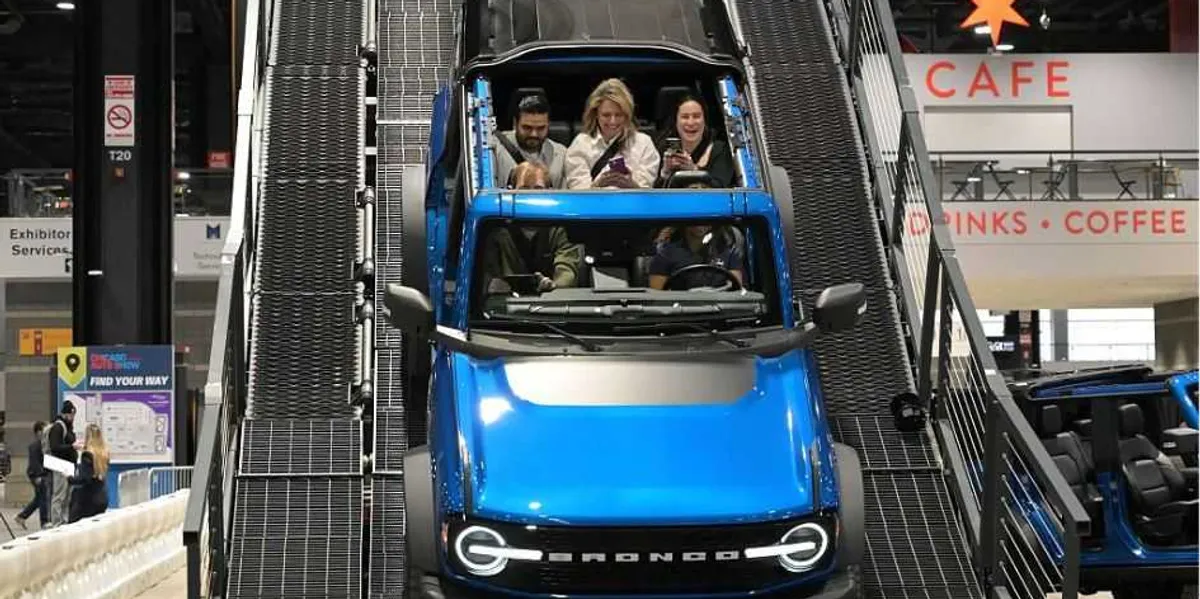
If you think your vehicle is just a way to get from point A to point B, the latest Ford Bronco privacy uproar is a wake-up call. Modern cars are packed with sensors, software, and connected systems that can collect far more than most drivers realize, and that raises a simple question: who really owns the data coming out of your ride? The bigger issue is not just one SUV or one company, but how normal it has become for vehicles to double as rolling data machines.
That concern landed hard when a Bronco owner took a closer look and found evidence that the vehicle was doing more than just managing the road. The software and onboard systems tied to the Bronco appeared to touch on driving habits, location-related information, and other personal details that many people would never expect a truck to track. Once a driver starts digging into the settings and the fine print, the whole experience stops feeling like convenience and starts feeling a lot more like surveillance.
What makes this especially messy is that most drivers never get a clean, plain-English explanation of what their vehicle is collecting. Automakers love to sell the upside, like navigation, remote access, diagnostics, and safety features, but the tradeoff often comes buried in layers of permissions and privacy settings. That leaves people stuck trying to protect themselves with tools that are hard to understand and even harder to control.
The Bronco situation also spotlights a much bigger fight over right to repair and user control. When the tech inside a vehicle is locked down, the owner is often the last person in charge, even though they paid for the thing and drive it every day. That is a bad deal for consumers, and it gets worse when software updates, connected features, and built-in monitoring can change what a vehicle does after the sale.
Then there is the broader culture around data collection, which has gotten so aggressive that people are starting to expect it everywhere. From license plate readers to surveillance cameras to biometric systems, the public is being watched from more angles than ever, and cars are now part of that ecosystem. A modern vehicle can feed into a much larger web of electronic monitoring devices, and that should make anyone pause before treating these systems as harmless bells and whistles.
For Ford, the problem is not just technical, it is trust. Drivers want reliability, not a moving target of permissions and hidden data trails, and they definitely do not want to wonder whether their SUV is quietly sharing more than it should. Once that trust cracks, every connected feature starts to look suspicious, even the ones that are genuinely useful.
There is also a growing tension between convenience and control, especially as automakers push more digital services into the cabin. A telematics control unit can be useful for emergency support or maintenance alerts, but it can also become the gateway for collecting and transmitting a lot of personal information. That is why privacy settings should not be treated like a side note, because for many owners, those settings are the only thing standing between a normal drive and a constant stream of data.
And this all lands in a political climate where people are already skeptical of top-down mandates and corporate overreach. Whether it is an EV mandate or a push toward more connected car platforms, drivers are being asked to accept major changes without enough clarity about the costs. Americans should not have to trade away privacy, ownership, and common sense just to keep up with the latest software package.
The real takeaway is simple: people need to know what their vehicles are doing, what they are collecting, and how much control they still have once they sign the papers. That means clearer disclosures, stronger limits on unnecessary tracking, and real respect for the owner’s right to decide what belongs in the car and what stays out. Until that happens, every new dashboard feature will come with the same uncomfortable question hanging over it: is this helpful technology, or just another way to watch you move?
