
Samsung has a reputation for premium phones and pricey foldables, but the brand’s cheaper gear is where a lot of everyday shoppers actually land. From a budget phone to a handy tracker, these picks show that Samsung’s ecosystem is not just for people chasing the flashiest specs. The focus here is simple: solid features, sensible prices, and enough polish to make the low-cost stuff feel worth using.
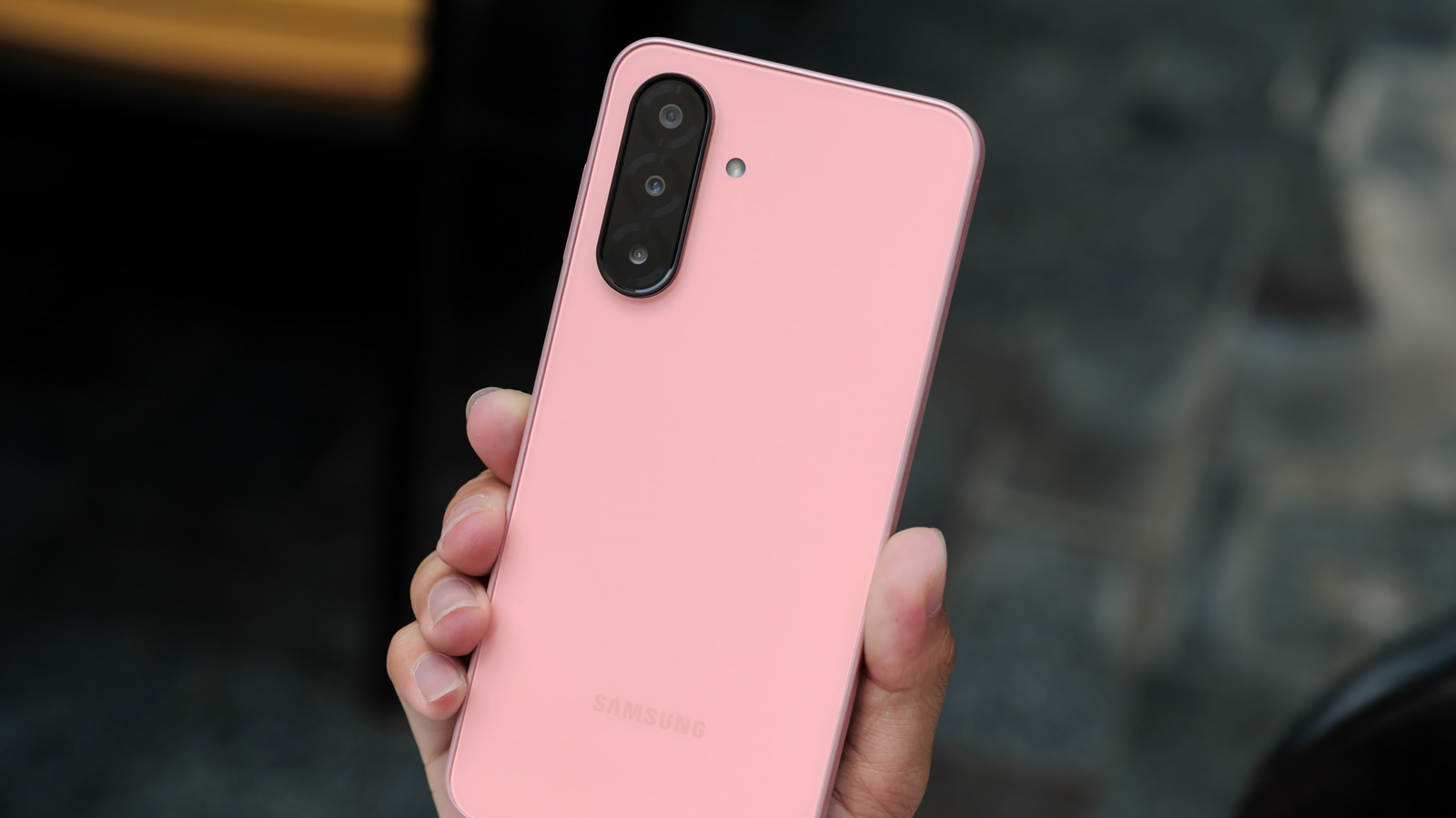
The Galaxy A17 5G is the easiest place to start if you want a Samsung phone without a painful bill. At $200, it keeps things practical with an Exynos 1330 chip, 4GB of RAM, and 128GB of storage, plus support for Gemini and Circle to Search. It also gives you something a lot of expensive phones have ditched, a microSD slot that can add up to 2TB more space.
That phone still manages to feel surprisingly complete for the money. You get a 6.7-inch AMOLED display, a triple-camera layout, a side fingerprint reader, USB-C, and a 5,000 mAh battery that can charge at 25W. The 90Hz refresh rate and chunky bezels make it clear this is a budget device, but six years of OS updates is the kind of promise that keeps it from feeling disposable.
If earbuds are more your thing, the Galaxy Buds 3 FE are Samsung’s most affordable true wireless option. They sell for $150 and still bring active noise cancellation, spatial audio, splash resistance, and controls that use pinches and swipes instead of fiddly buttons. They also play nicely with Samsung phones, automatically jumping between devices in the same ecosystem when you need them to.
There is a little more going on here than your standard cheap earbuds. You can call up Gemini straight from the buds, and Samsung even includes live translation support if you’re paired with a Galaxy AI-capable phone. They do skip true Bluetooth multipoint, so people who bounce between lots of devices may notice that gap, but for Samsung users the package is still pretty appealing.
For people who want a wearable without smartwatch-level spending, the Galaxy Fit 3 is an easy sell. It costs about $46 and looks more like a slim fitness band than a full watch, but it still covers the essentials like activity tracking, sleep monitoring, and notifications. Samsung says battery life can stretch to 13 days, which is the sort of number that makes daily charging feel almost old-fashioned.
The Fit 3 also goes beyond the bare minimum in a few nice ways. It has a 1.6-inch AMOLED screen, tracks more than 100 exercises, and can handle media control, camera shutter duties, and phone finding. If you want something light on the wrist that still feels useful all day, this one hits a sweet spot.
Tablets get expensive fast, which is why the Galaxy Tab A9 stands out so much. At roughly $165, it is Samsung’s cheapest tablet and is clearly built for casual use instead of hard work. The 8.7-inch LCD panel, Helio G99 chip, 4GB of RAM, and 64GB of storage all keep expectations grounded, though microSD expansion up to 1TB helps a lot.
Even with its modest specs, the Tab A9 has a few small wins that make it easier to live with. There is a 3.5mm headphone jack, split-screen support for two apps, and a battery that should be fine for light streaming or reading. It is not a gaming machine or a productivity monster, but for basic entertainment on a bigger screen, it gets the job done.
The Galaxy SmartTag 2 is the tiny gadget that can save a lot of headaches. For around $30, it lets you track keys, bags, luggage, or anything else you tend to misplace, all through SmartThings Find. It also comes with a built-in keyring, IP67 protection, and a battery life Samsung says can last up to 500 days.
Where it really shines is precision. With ultra-wideband support, the SmartTag 2 can help you zero in on an item once you are close enough, though you will need a compatible Samsung phone for that feature to kick in. If something turns up lost, the system can even help a finder contact you, which turns a small accessory into a very practical bit of peace of mind.
