
When you buy an SUV, the sticker price is only half the story. The real sting often shows up later, when routine maintenance, repairs, and long-term ownership costs start piling up, and that is where the smartest picks separate themselves from the money pits.
That is why this lineup focuses on SUVs that keep ownership costs under control without forcing you to sacrifice practicality. The models here stand out for reliability, reasonable upkeep, and strong long-term value, with each one offering a different kind of payoff for budget-minded drivers.
Toyota’s RAV4 has earned its place as one of the most familiar names in the compact SUV world, and the reason is pretty easy to understand. It starts at a sensible price for the segment, but the bigger win is how little it tends to demand from owners once it is in the driveway.
RepairPal puts the RAV4 at about $429 per year in maintenance, which lands nicely below the segment average. CarEdge also pegs its five-year cost at $1,938, and even the 10-year estimate stays well under what many other SUVs can end up costing.
The Hyundai Ioniq 5 brings a different kind of appeal to the table because it is fully electric, but the bigger surprise is that it also lands near the top when maintenance costs are compared. Hyundai stopped offering the earlier free maintenance perk in 2026, but the platform still looks like a smart bet for owners who want to avoid big service bills.
The main issue to know about is the integrated charging control unit, or ICCU, which has affected some examples of the Ioniq 5. Even so, Hyundai has responded with warranty coverage extending to 15 years or 180,000 miles, and fixes tied to the problem are handled without charge when needed.
Honda’s HR-V is the kind of SUV that makes sense for people who want extra space without jumping into something oversized or expensive. It is one of the smaller crossovers on the market, and its starting price stays low enough to look attractive before ownership costs even enter the conversation.
Honda also brings a reputation for solid dependability, and the HR-V benefits from that same image. RepairPal lists it at just $301 a year in maintenance, while CarEdge places its five-year total at $2,347, which keeps it in the mix as one of the easier SUVs to live with over time.
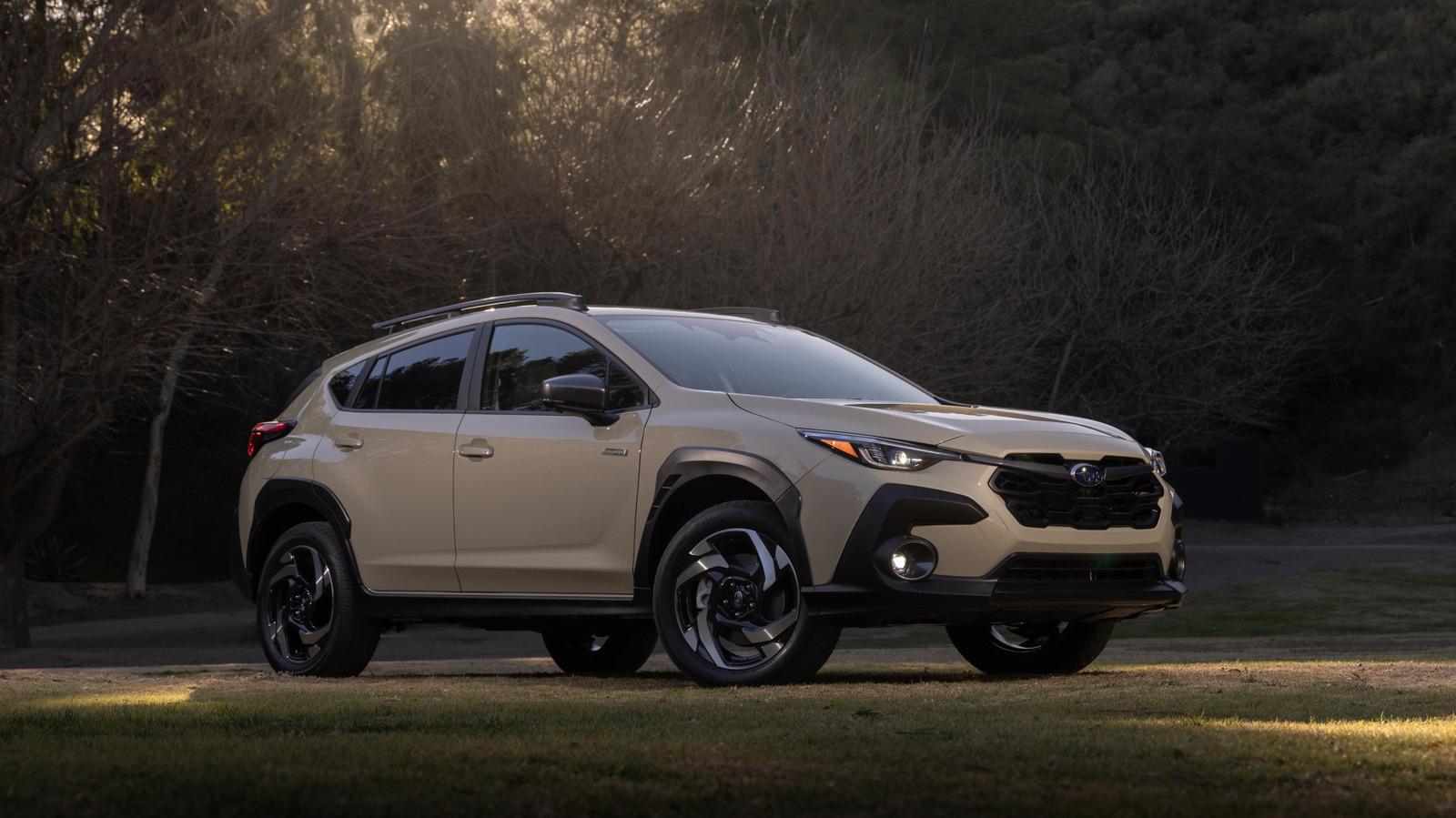
The Subaru Crosstrek has built its reputation on being practical, capable, and a little more rugged than your average compact crossover. With standard all-wheel drive and generous ground clearance, it gives buyers a useful mix of city comfort and light trail confidence without turning into an expensive project.
Its maintenance costs stay in check too, which helps make the Crosstrek even more appealing. RepairPal estimates yearly upkeep at around $492, and Edmunds shows the first few years staying especially manageable before costs start to rise as the vehicle ages.
The Toyota Highlander rounds things out as the larger, more family-friendly choice on this list. It sits closer to the premium end of the mainstream SUV space, but it still manages to stay sensible when it comes to what owners can expect to spend after the purchase.
RepairPal puts the Highlander at about $489 a year for maintenance, and CarEdge estimates five-year costs at roughly $2,048. That combination of comfort, standard all-wheel drive, and controlled upkeep makes it easy to see why it keeps showing up in these kinds of value conversations.
The common thread across all five is simple: buying smart upfront matters, but the real win comes from choosing an SUV that does not punish you later. For drivers who want something dependable, practical, and easier on the wallet, that balance can make all the difference.
