
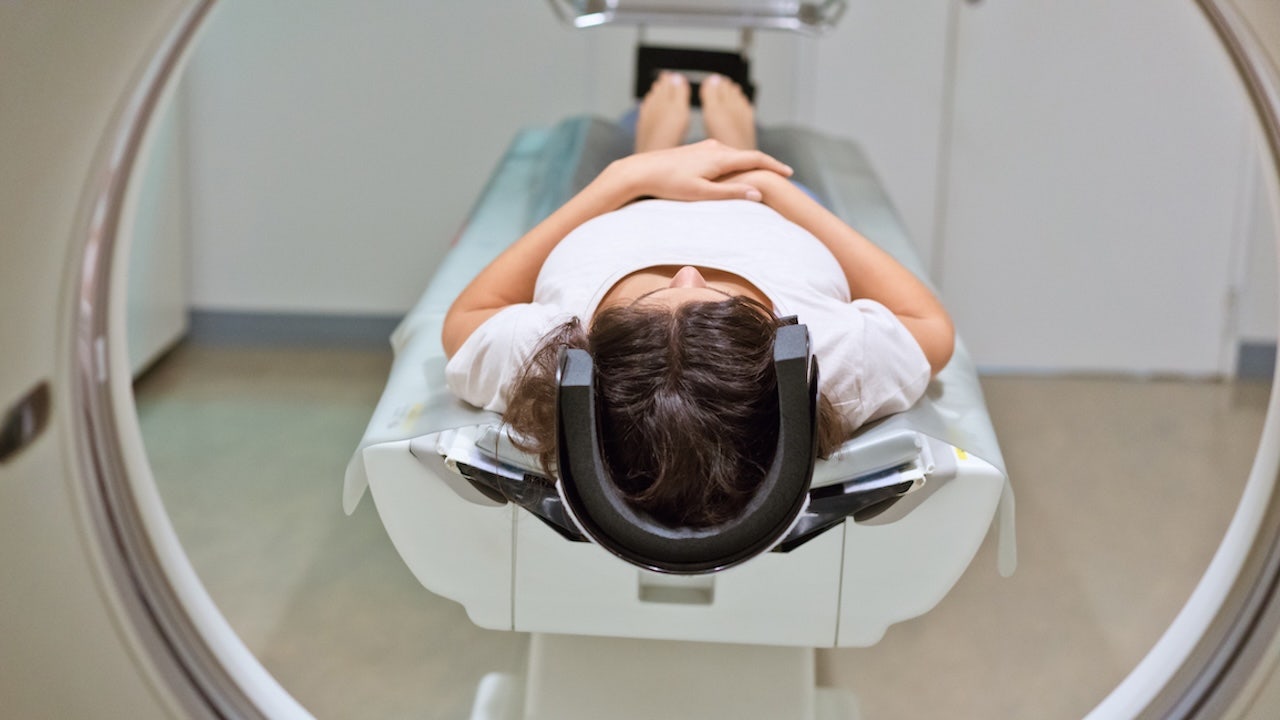
Full-body MRI screening is having a moment again, and the reason is easy to see: a preventive scan reportedly caught a brain tumor before symptoms showed up. That kind of story grabs attention fast, especially when celebrities and public figures talk openly about doing these scans to chase early answers. At the same time, doctors are still split on whether this is a smart path for healthy people or a costly detour filled with uncertainty.
The idea behind these scans sounds simple enough. Use imaging like MRI, CT, or PET to look for hidden problems before they turn into something serious, including cancer, heart disease, or other abnormalities. Supporters describe it as a kind of inside-the-body checkup, one that can reveal trouble a standard physical would never touch.
That pitch is a big reason companies offering the scans have found an audience. The process can be marketed as proactive and modern, and for people worried about family history or silent disease, that can feel reassuring in a hurry. But the appeal also comes with a big catch, because finding more does not always mean helping more.
Some doctors say the promise is real, especially when MRI can spot issues before symptoms appear. A scan might uncover a tumor, an aneurysm, or another problem early enough to change the outcome, and that is hard to ignore. In that sense, the technology can feel like a blunt but powerful tool, one that sees deeper than the usual office visit.
Still, plenty of physicians are not buying the hype for the average healthy person. Their biggest concern is that whole-body screening can drag people into a chain reaction of extra tests, nervous waiting, and treatment decisions that may not have been needed in the first place. When a scan turns up a tiny abnormality, the question becomes whether it is a real threat or just a harmless blip that starts a whole mess.
Cost is another sticking point, and it is not a small one. These scans often are not covered by insurance, and prices can climb into the thousands depending on the provider and package. That makes the whole thing a tough sell for people who are not already at higher risk or who do not have a clear medical reason to go looking.
Doctors who caution against routine screening also point to the issue of false positives. In plain English, that means scans can detect things that look suspicious but are not actually dangerous, which can lead to stress, more imaging, and sometimes even procedures. The result is a lot of action before anyone knows whether there was ever a real problem to begin with.
There is also the mental side of it, and that part gets less attention than it should. Sitting through a scan can be uncomfortable for people with claustrophobia, and waiting for results can stir up anxiety that lingers long after the appointment ends. Even a clean report may only calm someone down for a little while before the next worry shows up.
That is why many primary care doctors and specialists still prefer a more targeted approach. If someone has symptoms, a family history, or a known risk factor, then the right test can be chosen for the right reason instead of casting a giant net over everything. A focused workup may not sound as dramatic, but it is often a lot more useful.
Advocates of full-body MRI say the technology will keep improving and become more practical over time. They argue that more data, better interpretation, and broader research could eventually make screening more useful for more people. For now, though, the debate is still very much alive, and patients are being asked to balance hope, cost, and the very real chance that a scan will create more questions than answers.
