
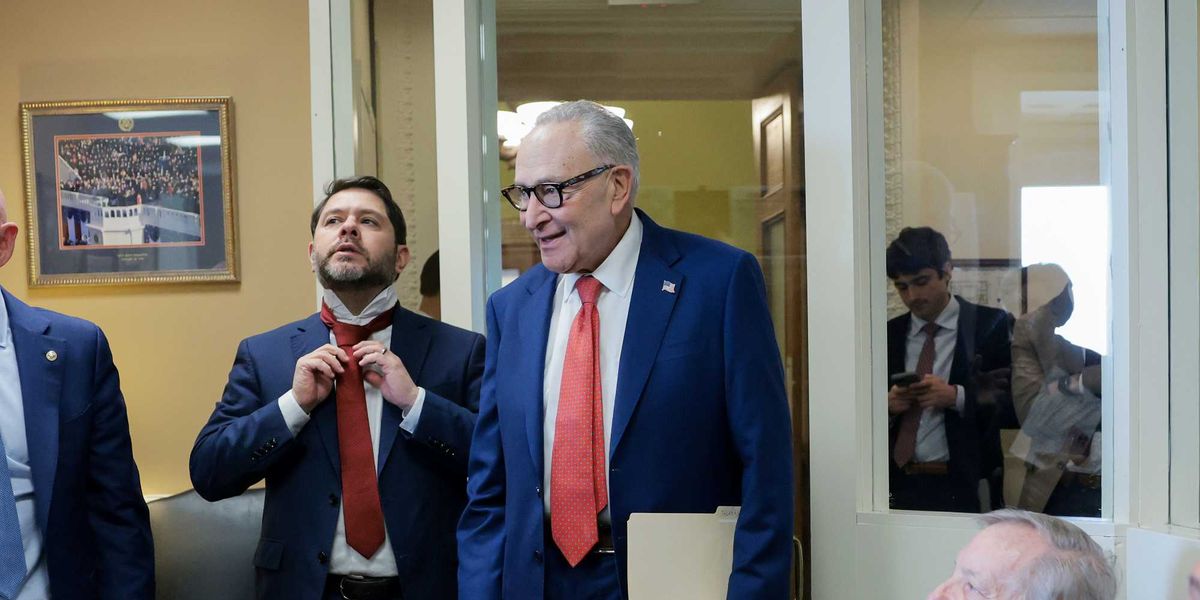
Ruben Gallego is facing serious allegations that have put a bright, ugly spotlight on his personal conduct and the people around him. The new claims are getting attention because they reach beyond one embarrassing headline and into the larger culture of double standards, political alliances, and the way Democrats often circle the wagons when trouble hits. In a political world that loves to preach about integrity, this story has opened a fresh wound.
The allegations center on claims of a sexual relationship that has now become a public issue, and the fallout is already loud. People who know the players involved are watching closely, because when a politician gets tangled up in scandal, the damage usually spreads fast and sticks around even longer. Gallego’s situation has now become part of a broader conversation about trust, accountability, and what voters are willing to excuse.
There is also a familiar cast of names in the background, including Eric Swalwell, whose own reputation has taken repeated hits over the years. That connection matters because voters notice patterns, not just isolated messes. When one Democrat after another ends up in the same kind of headline, it starts looking less like bad luck and more like a party that has a real problem with judgment.
Anna Paulina Luna has also been drawn into the conversation, adding another layer to a story that already had plenty of heat. The back-and-forth around these allegations shows how quickly political relationships can turn toxic once the public starts asking uncomfortable questions. It is the kind of thing that can shift from gossip to serious political baggage in a hurry.
For Republicans, the reaction is straightforward: if the allegations are true, then the public deserves answers, not excuses, and certainly not the usual media soft-pedal routine. Conservatives have watched too many of these episodes get brushed aside when the person involved has a blue check, a party label, or the right friends in the right places. That kind of selective outrage wears thin fast.
The bigger issue here is trust. Voters are already skeptical of politicians who say one thing in public and behave another way behind the scenes, and allegations like these only harden that cynicism. Once the story takes hold, it is not just about the relationship itself, but about whether the people involved can still credibly talk about ethics, family values, or public service without sounding ridiculous.
Scandals like this also expose how quickly a political narrative can unravel when private behavior collides with public ambition. One day a lawmaker is trying to project confidence and control, and the next day he is fighting off allegations that threaten to define him. That shift can be brutal, especially when the public senses that the people around him are more interested in damage control than honesty.
There is a reason these stories keep landing so hard. People want leaders who can handle pressure, keep their lives in order, and tell the truth when the spotlight gets hot. When a politician gets dragged into sexual allegations, the issue is never just personal anymore. It becomes about character, credibility, and whether the person asking for power can actually be trusted with it.
And that is where the trouble really starts. Once the accusation is out there, every denial, every deflection, and every awkward explanation gets judged against the same simple question: who is telling the truth? In politics, that question can hang over a career for a long time, especially when the story is messy enough to make even loyal supporters start looking for the exit.
