
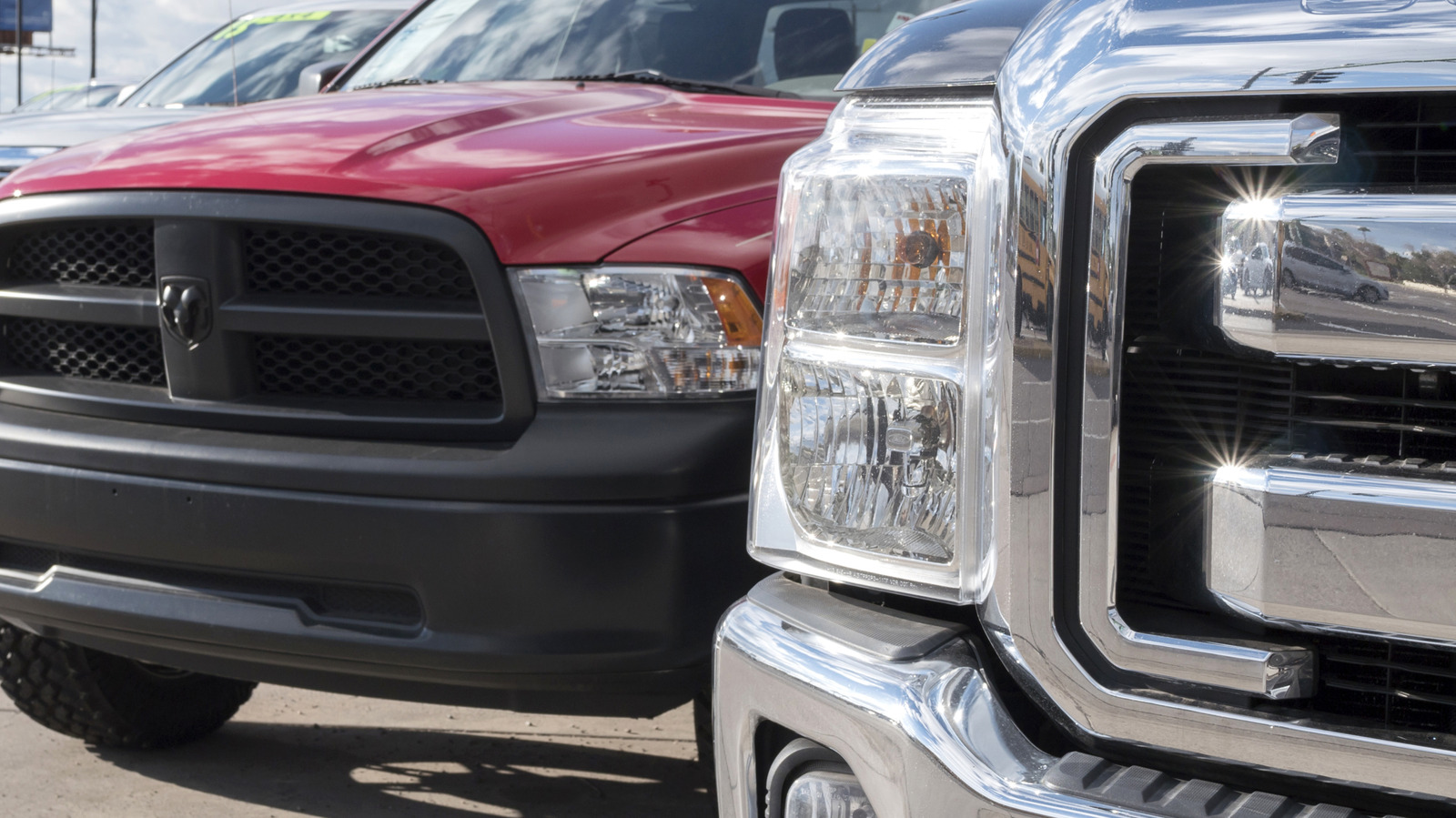
The Ford F-150 and Ram 1500 have been trading punches for years, but Ford still finds ways to separate itself with features that hit real-world buyers where it counts. From jobsite power to towing confidence, lighter construction, hybrid muscle, and a rare old-school cab option, the F-150 keeps one foot planted in work-truck practicality while still pushing tech forward.
One of the biggest bragging rights belongs to Ford Pro Power Onboard. This built-in generator turns the truck into a rolling power source, giving owners a serious edge when tools, appliances, or campsite gear need electricity and there is no outlet nearby. It is the kind of feature that sounds flashy at first, then quickly becomes the thing you do not want to live without.
That matters because the F-150 is aimed at people who actually use their trucks hard, not just people who like the badge. On a jobsite, in a field, or during a blackout at home, the truck can feed power directly to equipment without dragging around a separate generator. The Ram 1500 has outlets, sure, but it does not match that factory-integrated punch.
Ford also gives drivers a smarter way to deal with hauling and towing through Onboard Scales with Smart Hitch. Instead of guessing how much weight is in the bed or whether a trailer is balanced correctly, the truck estimates payload and tongue weight using suspension sensors and shows the information on the touchscreen, in the app, or through taillight bars. That is the kind of thing that can save a driver from a sloppy load or a sketchy tow before the truck ever leaves the driveway.
This is not just convenience for the sake of convenience. If you are loading pavers, lumber, equipment, or a trailer packed for work, knowing the numbers beats eyeballing them every time. Ram offers plenty of towing tech, but not a built-in system that uses the suspension itself as a weighing tool the way Ford does.
Then there is the body itself, and Ford made a bold move years ago by going with aluminum for the F-150’s outer panels. That choice trims weight without giving up the strength buyers expect from a full-size pickup, which helps the truck carry more and use less fuel than a steel-bodied rival in similar trim. It is a practical advantage wrapped in a pretty simple idea: less weight means more capability.
Ram never followed Ford down that road, and the difference shows up in the real world. Aluminum costs more and takes more effort to work with, so Ford took the risk and made it part of the F-150 formula. Ram stuck with steel, which keeps things traditional but also leaves the truck heavier before a single tool, passenger, or trailer is added.
Ford’s PowerBoost Full Hybrid is another place where the F-150 flexes hard. With a 3.5L twin-turbo V6 and an electric motor working together, it delivers strong horsepower, hefty torque, and impressive fuel economy for a full-size pickup. It is also more than a mild assist system, which gives Ford a cleaner and more serious hybrid story than Ram can match.
Ram’s eTorque setup helps smooth out driving and adds a little boost, but it is not the same thing as a full hybrid. It cannot propel the truck on its own, and it does not bring the same worksite-friendly generator capability either. If a buyer wants efficiency and real muscle in one package, Ford has the more complete answer.
Ford also keeps a door open that Ram shut a long time ago by offering a two-door Regular Cab F-150. That might sound basic, but for buyers who want a stripped-down work truck with less weight, less cost, and fewer extras to pay for, it is a big deal. Ram only sells the 1500 with four doors, which narrows its appeal for people who care more about utility than passenger room.
For fleet buyers, contractors, and anyone who wants a truck that feels refreshingly straightforward, that Regular Cab option is a real advantage. It keeps the F-150 anchored in the work-truck world instead of forcing everyone into a bigger cab than they need. And that, more than anything, is why Ford still has a few moves Ram just does not make.
