
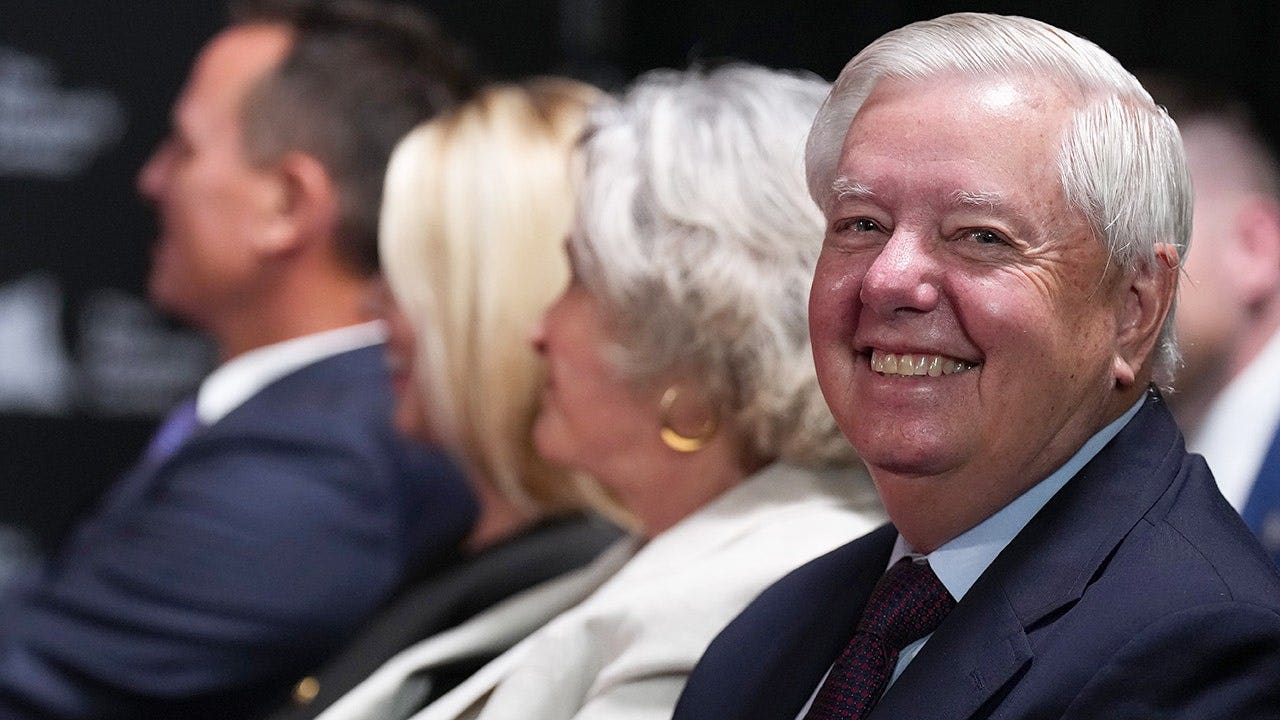
Lindsey Graham left a clear foreign policy imprint: he translated complex intelligence into plain language, stood firmly with allies, held Iran and its proxies to account, and used his access in Washington to push pragmatic, hawkish solutions. This piece looks at how he bridged the gap between the national security establishment and the public, why Israel and the Iranian people mattered to him, and how his relationships with presidents and fellow conservatives shaped American strength abroad.
He was a rare politician who actually read the briefings and then spoke about them like a human being. Instead of slogans, he offered explanations you could understand, which made him unusually effective at rallying public and congressional support for hard choices. That mattered because voters decide foreign policy in the dark unless someone lights the path.
Graham understood the Middle East the way a strategist understands terrain. He knew Iran would not voluntarily give up its ambitions, and he pushed policies that treated Tehran as the problem it is. He also saw the Abraham Accords as a major strategic shift and argued they needed to be expanded not celebrated and shelved.
He was relentless on behalf of people inside authoritarian regimes. Iranian activists affectionately called him “Uncle Lindsey” because he went beyond speeches to name political prisoners on the Senate floor and meet with their families. He listened to exiles like Reza Pahlavi and used those conversations to push for policies that put American security and dissidents first.
Support for Israel was central to his worldview and not merely sentimental. Leaders called him “a great friend of Israel” because he treated the relationship as a strategic asset, not a political talking point. In his view a strong Israel was a deterrent against Iran, a stabilizer for the Persian Gulf, and a statement that the United States keeps its word to its allies.
He walked the rare line between bipartisan cooperation and ideological toughness. When compromise advanced American security he worked with Democrats; when principles or safety were at stake he fought fiercely. He helped reconstruct the defense budget, shepherded judges, and refused to let partisanship erode core commitments to strength abroad.
His access to the president was not for vanity—he used it. Presidents hear dozens of competing voices; very few actually influence policy. Graham was one of those few, and he used that access to push for Ukraine, to make the case for backing Israel, and to keep Iran’s threats on the table for decisive action.
He also translated intelligence into public understanding, a job many in Washington neglect. That translation narrowed the gap between what analysts knew and what voters believed, and that mattered when Congress faced votes on assistance or sanctions. Without that bridge, national security debates collapse into slogans and sound bites.
Graham’s style was blunt and unapologetic, which served him well in an era of narrative warfare. When social media and campus movements reshape opinions overnight, he insisted on moral clarity as a policy tool. He believed standing with allies and confronting adversaries were not just moral choices but strategic ones.
He built relationships across the conservative spectrum—working with figures who shared his priorities and sparring with those who did not. From standing with John McCain to sitting across from President Trump, he made those connections count. The question now is what fills the void he leaves in Washington’s foreign policy conversation.
Adversaries around the world noticed him; so did friends who relied on America’s resolve. The ayatollahs, the Kremlin and Hamas all watched his influence and adjusted their calculations accordingly. That reality explains why his absence will be felt in strategic corridors long after the headlines fade.
