
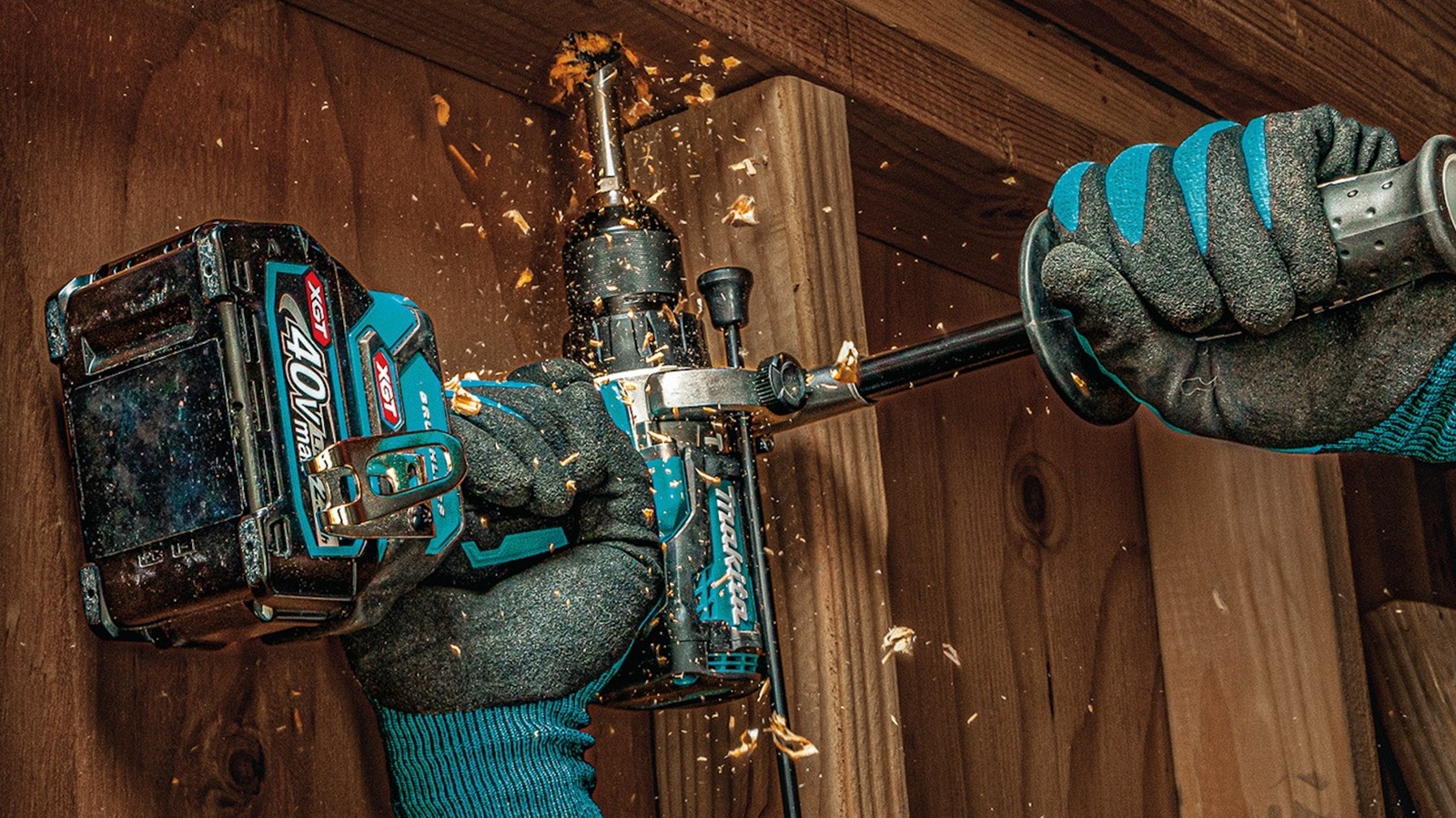
This piece dissects how Makita stacks up against Milwaukee in the world of cordless tools, focusing on power, battery ecosystems, ergonomics, and value for professionals and serious DIYers. It looks at what makes Makita stand out, where Milwaukee still leads, and how those differences matter on real job sites. Expect a straight, practical take on the tools you actually use and why Makita deserves attention.
Makita has built a reputation on dependable motors and smart engineering, and that shows through in how their tools feel in hand. Many Makita products aim for a balance between raw torque and refined control, which matters when you’re drilling long hours or finishing delicate trim work. The company also leans into brushless motors and efficient electronics, squeezing more runtime out of each battery than older designs.
Battery platform plays a huge role in choosing a brand, and Makita’s 18V and 40V systems are mature and broad. That depth means you can outfit a truck with compatible tools without hunting for adapters or odd batteries, and professionals appreciate predictable runtime and fast charging. At the same time, Milwaukee’s ecosystem is massive and familiar to a lot of crews, so brand loyalty still counts for plenty on the job.
Ergonomics often get overlooked until you start using a tool for hours, and Makita tends to prioritize balance and weight distribution. Their grips and body designs aim to reduce fatigue, which translates into fewer mistakes and less muscle strain on long days. That doesn’t mean Milwaukee ignores comfort, but users sometimes prefer the lighter, better-balanced feel of comparable Makita models.
When it comes to cutting tools and saws, Makita has modernized its lineup with quieter motors and refined dust management. Jobsite conditions change fast, and Makita’s attention to vibration damping and chip control often makes their saws more pleasant to use in tight spaces. Those improvements matter to pros who spend entire shifts on repetitive cuts and to hobbyists who want cleaner, safer work areas.
Durability and warranty shape buying decisions for contractors who need tools that last and can be serviced quickly. Makita products are rugged and backed by solid service networks in many regions, and replacement parts are generally accessible. Milwaukee still scores high for innovation and accessories, but Makita frequently matches performance at a slightly lower price point, making value a serious factor.
Innovation isn’t just about the next flashy feature, it’s about practical improvements that save time and reduce headaches, and Makita focuses plenty of engineering on those gains. Features like efficient brushless systems, smart battery management, and modular tool design translate into fewer trips back to the van and more consistent output. For many buyers, the sum of those small efficiencies outweighs a headline torque number.
Choosing between Makita and Milwaukee comes down to priorities: raw power and a sprawling accessory universe, or balanced performance, ergonomics, and often better value per dollar. Professionals should weigh battery depth, tool feel, and serviceability, while DIY users should consider ergonomics and which platform grows with their needs. Try the tools if you can, and let how they handle real tasks decide for you.
