
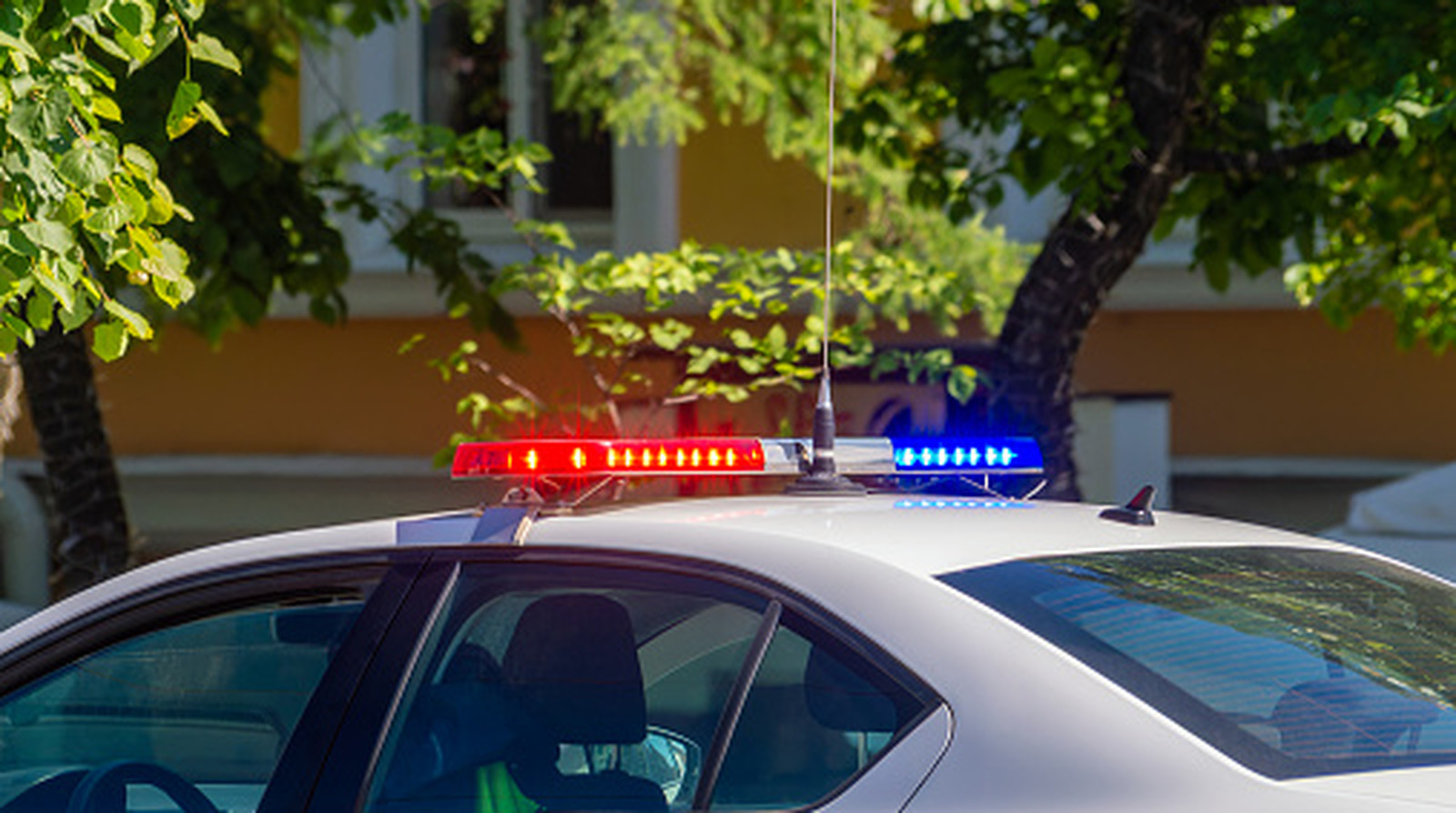
I’ll explain why patrol cars sometimes sit with their red and blue lights running, clear up common misconceptions about what that means, describe the safety logic officers use, outline when constant lights are appropriate, and note how drivers should react when they see them.
Seeing a police cruiser with its lights on and not moving can feel strange, but there are practical reasons behind it. One of the main goals is simple: visibility. Flashing lights make the vehicle unmistakable to approaching traffic, especially at night or in bad weather.
Another core reason is safety for everyone at the scene. When an officer is dealing with a roadside emergency, a collision, or a disabled vehicle, constant lights create a buffer zone by alerting drivers to slow down and give space. That buffer reduces the risk of secondary crashes and helps protect both the officer and any civilians nearby.
Lights can also serve as a warning and a directional cue. A parked cruiser with lights on signals to approaching motorists to change lanes or reduce speed, effectively guiding traffic away from a hazard. In busy areas or on highways, that signal can be the difference between a safe pass and an avoidable smash-up.
Some drivers assume lights mean an active arrest or that officers are aggressively enforcing speed or traffic laws. Often the reality is less dramatic: officers might be handling paperwork, assisting with a flat tire, or waiting on tow services. Constant lights are more about prevention and presence than immediate confrontation.
There are also tactical reasons that vary by department. In certain jurisdictions officers are trained to keep lights on to increase their visibility during a traffic stop, while other departments teach discretion to avoid escalating situations. Policies differ, so what you see in one town may not match practice in the next.
Technological changes have changed how lights are used. Modern LED arrays are brighter and more energy efficient, making continuous operation less of an equipment stress than older setups. That means departments can keep lights running longer without worrying about battery drain or overheating, which encourages their use for extended scenes.
Legal frameworks back up this practical use. Most states allow emergency lights for safety and hazard warnings, not only for active pursuits. That legal allowance helps officers manage roadside scenes without repeatedly switching lights on and off and keeps the scene consistent for approaching drivers who need a clear signal to react.
As a driver, the correct response to constant police lights is straightforward: slow down, move over if you can, and be alert. Avoid rubbernecking and sudden lane changes that could create new hazards. If a cruiser is stopped on the shoulder with lights on, giving a wide berth is the safest and most courteous action.
In short, constant red and blue lights are a practical, safety-first tool used to prevent harm and control traffic flow at roadside incidents. They are less about spectacle and more about making sure everyone leaves the scene intact. Respecting that signal and responding calmly keeps roads safer for officers and the public alike.
