
Classical education has staged an inspiring comeback, but its revival often stops at books and lectures. This piece argues that to form true character we must pair texts with trials, thought with toil, and rhetoric with real-world responsibility. By looking back at ancient models and John Henry Newman’s warnings, we can see why outdoor work, rigorous physical training, and honest hardship must be central to any serious educational program.
Recent classical programs rightly reintroduce students to great books and enduring characters, and those recoveries matter. Still, reading about virtue is not the same as living it; virtues hardened by experience do not grow in climate-controlled seminar rooms. The gap between admiration and actual practice is the real problem that needs fixing.
Xenophon and Herodotus described a formation that blends intellect with bodily rigor, shaping leaders at the edge of empire rather than inside gilded courts. Young men were trained in combat, exposed to cold and hunger, and corrected by seasoned veterans until their wills aligned with justice and duty. Those formative hardships were not peripheral; they were essential to producing citizens who could govern and defend.
Far from being quaint nostalgia, these accounts emphasize practical competence: to “ride, shoot the bow, and speak the truth” was the mark of readiness. That trio combines skill, endurance, and plainspoken integrity—qualities that classroom debate alone does not reliably instill. The ancients assumed that moral formation required the body and the world as much as the mind.
John Henry Newman pierced the same problem from a different angle, warning that thought divorced from action becomes pretty but powerless. “What then is intellect itself, as exercised in the world, but a fruit of the fall, not found in paradise or in heaven, more than in little children, and at the utmost but tolerated in the Church?” he asked, and added that “passion and reason have abandoned their due place in man’s nature, which is one of subordination, and conspired together against the Divine light within him, which is his proper guide.”
Newman praised reason as a gift, yet he resisted making it the idol of education. He observed that educated refinement often teaches correct feeling and speech without demanding corresponding deeds. That critique should unsettle any program that imagines moral formation happens chiefly through polished discussion.
“Now the danger of an elegant and polite education is, that it separates feeling and acting; it teaches us to think, speak, and be affected aright, without forcing us to practise what is right.” He continued that “The refinement which literature gives, is that of thinking, feeling, knowing and speaking, right, not of acting right; and thus, while it makes the manners amiable, and the conversation decorous and agreeable, it has no tendency to make the conduct, the practice of the man virtuous.”
For all the value of stories and dialogue, a steady diet of them can produce citizens whose convictions are only theoretical. The long rehearsal of noble sentiments, untested by hardship, leaves the moral muscles untrained. When actual trials arrive, well-worded courage too often evaporates into loud talk and flight.
For instance, we will say we have read again and again, of the heroism of facing danger, and we have glowed with the thought of its nobleness. We have felt how great it is to bear pain, and submit to indignities, rather than wound our conscience; and all this, again and again, when we had no opportunity of carrying our good feelings into practice. Now, suppose at length we actually come into trial, and let us say, our feelings become roused, as often before, at the thought of boldly resisting temptations to cowardice, shall we therefore do our duty, quitting ourselves like men? Rather, we are likely to talk loudly, and then run from the danger. Why? — rather, let us ask, why not? What is to keep us from yielding? Because we feel aright? Nay, we have again and again felt aright and thought aright, without accustoming ourselves to act aright; and though there was an original connexion in our minds between feeling and acting, there is none now; the wires within us, as they may be called, are loosened and powerless.
Newman’s image of the “wires” as loosened captures the modern failure: sentiment unconnected to habit. The antidote is not to abandon reading or discussion, but to reweave thinking and doing in daily life. Educational programs that treat hands-on work as an optional add-on miss the point; formation requires challenge.
Students need raw contact with nature so that virtue is exercised with cold hands and aching backs, not merely batted around the seminar table as an abstraction.
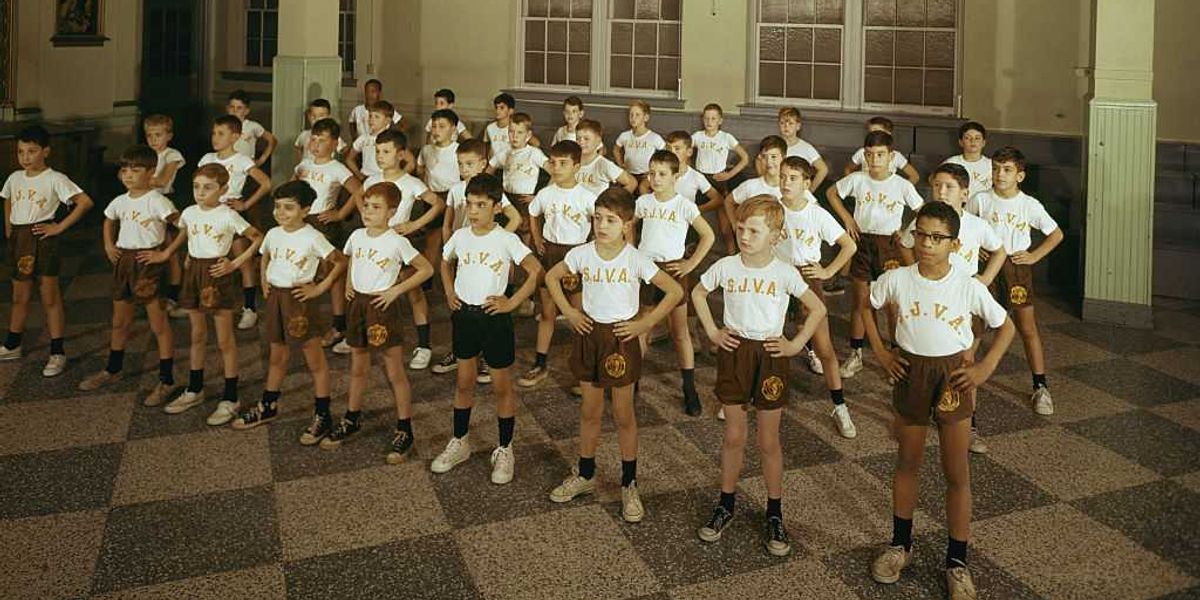
Practical disciplines like rigorous fitness, expeditionary outdoor education, animal care, and honest agricultural labor teach limits, responsibility, and steady endurance. These activities create occasions where humility, patience, and courage are not optional virtues but survival skills. They force young people to act rightly under pressure rather than merely admire right action from afar.
Rebuilding education this way asks a lot of teachers and communities. It will be messy and demanding, and it will require adults to model the same grit we want to see in students. But if the aim is genuine character and capable citizenship, then classrooms must open outward; text must meet trial; conversation must meet cold and sweat.
