
The food on most American plates has been quietly shaped by forces few expect, and the recent documentary Breaking Big Food peels back how tobacco money, corporate engineering, and savvy marketing rewired what we eat and why it sticks. This piece follows that revelation, explaining corporate purchases, the science that engineered cravings, and the marketing moves that hooked a generation. It also notes how policy and industry lobbying nudged dietary advice in directions that favored big agriculture and processed products.
Decades of industrial change left a trail of cheaper ingredients, preservatives, and bold advertising that made processed food irresistible and omnipresent. What started as a diversification strategy by cigarette makers turned into a profound influence over ingredient lists and shelf decisions. The result is a food landscape where profit and shelf life often trump nutrition.
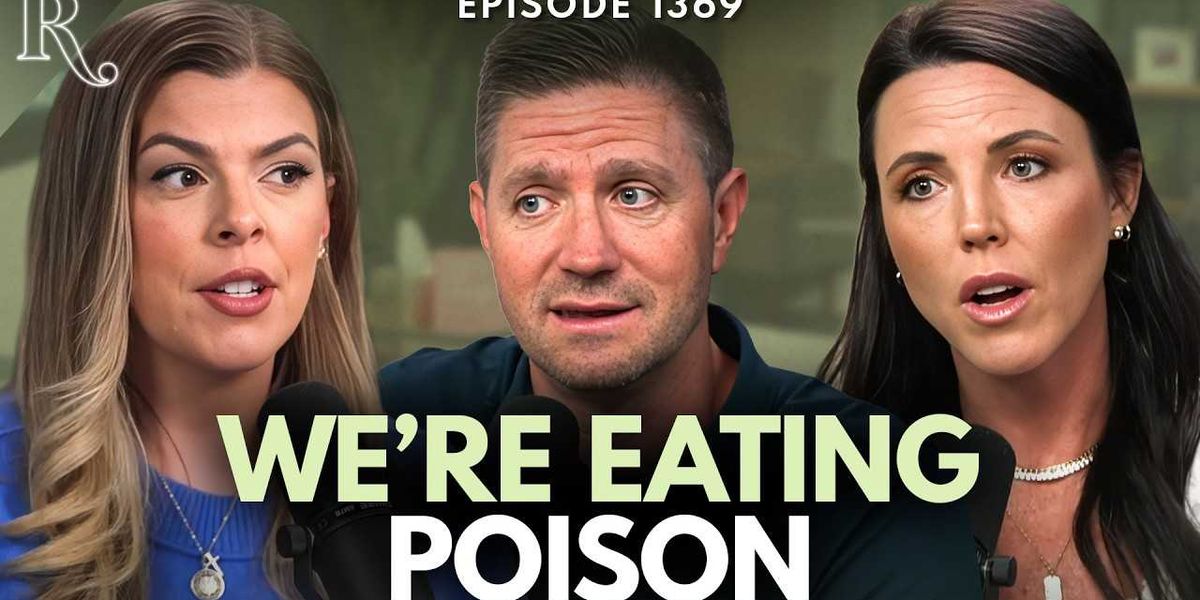
The filmmakers Ashley and Patrick Sullivan joined host Allie Beth Stuckey to unpack that history and to show how these shifts happened behind closed doors. Their documentary, Breaking Big Food, traces specific corporate moves, ingredient substitutions, and marketing tactics that reshaped mainstream diets. The interview stitches firsthand accounts to documentary footage to make the case that this was an orchestrated pivot, not an accident.
They place a particular spotlight on the corporate buyouts that recalibrated brand priorities and research directions.
“In 1985, R.J. Reynolds, the maker of Camel cigarettes, purchased Nabisco for about $5 billion. In 1988, Philip Morris, the maker of Marlboro cigarettes, purchased Kraft Foods for about $13 billion,” Patrick explains, noting that “these are just two of the examples of Big Tobacco buying up” big name food companies. Those purchases gave tobacco firms immediate access to food science labs, supply chains, and household brands.
“By the 1990s, Big Tobacco actually controlled about 40% of the food supply in America,” he adds. That level of control changed priorities inside R&D departments, shifting focus from simple preservation and taste to repeat purchase and addictiveness. When a handful of companies hold so much market share, small formula tweaks can ripple through millions of consumers.
Ashley points to the collapse in smoking rates as the trigger that sent tobacco money hunting for new growth. “[Tobacco companies] saw number one, the industry that they were in was going down in flames and maybe saw an opportunity in the food industry to go in and say, ‘We are the addiction people, let’s figure out how to apply what we know to processed foods,”’ she says. That mindset reframed food as the next frontier for engineered habit formation.
The basic business question was blunt and practical: “How do we get our customers to buy more of our products?” Companies turned established nicotine research into new experiments about reward, flavor, and texture. The result was a deliberate hunt for combinations that hit brain pleasure centers and encouraged repeated consumption.
“The tobacco scientists became food scientists, and they began studying how do we tickle the pleasure centers of the brain with potato chips and candy and sodas, and they found this sort of perfect mixture of fat, salt, and sweet that makes it so no one can eat just one,” he explains. Alongside that pursuit came cost-cutting moves like swapping cane sugar for high fructose corn syrup and adding preservatives to extend shelf life. Those changes made processed goods cheaper, more shelf-stable, and often more addictive.
Marketing was crafted to hide ingredient shifts and keep attention on joy and fun instead of formulation. “Let’s color this with red dye 40 and make it look really pretty. Let’s do these fun ads. Let’s target children, make it fun for them to want to purchase these foods,” she says. Packaging, mascots, and in-store placement turned product design into psychological theater aimed straight at young buyers and influencers in the home.
“Let’s put a toy inside of the cereal. Let’s give a free gift with a Happy Meal,” Patrick adds, showing how incentives were layered onto engineered flavors to lock in behavior early. Those tactics worked alongside policy moves that helped shape dietary guidance. That wasn’t because humans thrive on a grain-rich diet but because of the “lobbying efforts on the behalf of grain producers,” Patrick notes.
If you want to see the evidence laid out and hear the fuller conversation, the filmed interview and documentary dig into the corporate memos, marketing campaigns, and scientific detours that built today’s processed-food culture. The discussion is a reminder that ingredient lists and advertising are not neutral; they reflect decades of strategy, profit motives, and shifts in who controls our food system.
