
Robotaxi fleets are getting a pit stop makeover: compact service pods that clean, charge and inspect driverless cars near the places riders actually are. Aseon Labs calls this approach a “depot in a box,” aiming to cut the empty miles robotaxis now spend heading back to distant hubs. The plan promises faster turnarounds for riders and lower downtime for operators while stirring up fresh questions about curb space, neighborhood impacts and who decides where these pods live.
You have probably seen driverless cars cruising with no one inside, and that empty driving has a name: deadhead miles. Those trips cost time, energy and the ability to pick up paying passengers. Aseon wants to shrink that gap by putting compact, parking-space-sized pods closer to activity centers so vehicles spend less time traveling empty and more time serving riders.
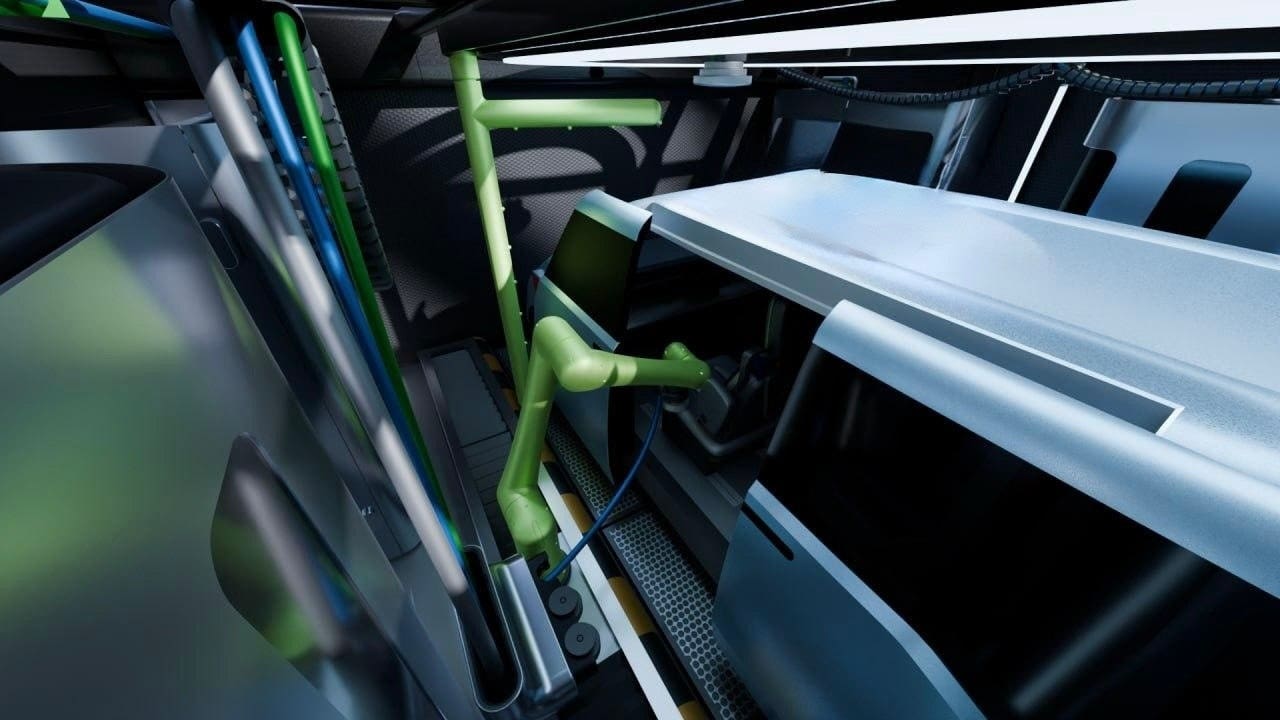
Think of each pod as a tiny service station for autonomous fleets. The boxes are designed to inspect interiors with cameras, use robotic arms to tidy seats and retrieve lost items, and plug in for charging between rides. Aseon hopes these units will handle routine resets, data syncs and basic recalibrations so cars can get back on the road fast.
Right now most servicing happens at large depots on the outskirts of cities because land is cheaper there, and that creates a math problem. When fleets travel 10 to 15 miles just to reach a depot, every reset becomes a long, unproductive trip. By placing pods within roughly a mile of where robotaxis operate, Aseon says servicing could be dramatically closer to riders and much more efficient for operators.
Flexibility is central to the pitch. Each reset pod is sized to fit a single parking space and is meant to avoid permanent construction, so it can be delivered by flatbed and be operational within a day. Early deployments may still have staff nearby, but the company aims to increase autonomy over time. Moveability means poor-performing locations can be swapped out rather than locked in for years.
Power is handled in several ways to suit different spots. Pods could tie into existing DC fast-charging networks, partner with EV charging providers, or use mobile power when needed. That adaptability might make rollouts easier and could add demand to underused charging infrastructure, but it also raises questions about noise, emissions and who pays for the hook-ups.
Placing these pods will trigger debates at the neighborhood level. A pod parked near a coffee shop, storefront or apartment building will be visible, and people will want to know what it records, how long it stays, and whether it steals parking that residents and businesses already struggle to find. Curb space has become one of the most contested pieces of city real estate, with ride-hail pickups, deliveries, outdoor dining and bike lanes all fighting for room.
City planners will likely face trade-offs. A nearby pod could reduce congestion by keeping robotaxis from driving empty back to a remote depot, yet the pod itself becomes new street infrastructure. Officials may need rules about placement, hours of operation, noise limits, power connections and how close a unit can sit to homes or storefronts. In some neighborhoods, the right answer might be no pods at all.
One practical note is that the pods are not meant to solve every cleanup or repair. The system uses computer vision and AI to flag issues that need human attention. If a camera spots something tricky, like melted chocolate on a seat, the pod will send the vehicle to a central depot for a person to handle it, which keeps the human judgment element in play.
Aseon has raised seed funding and plans to build prototypes as pilots, so this is an early-stage idea rather than an immediate takeover of city curbs. The company envisions thousands of reset pods across major metro areas if the model scales. The business plan leans on Aseon operating, maintaining and deploying the units so robotaxi fleets can add local service points without building full depots everywhere.
If these pods roll into your city, you may see cleaner cars and shorter waits, but you will also see new hardware claiming parking and curb space. Riders gain convenience, operators gain efficiency, and residents and business owners gain questions about cameras, noise, and how long a pod occupies a spot. The bigger issue for cities is deciding who gets the final say on where these compact robotaxi pit stops belong.
