
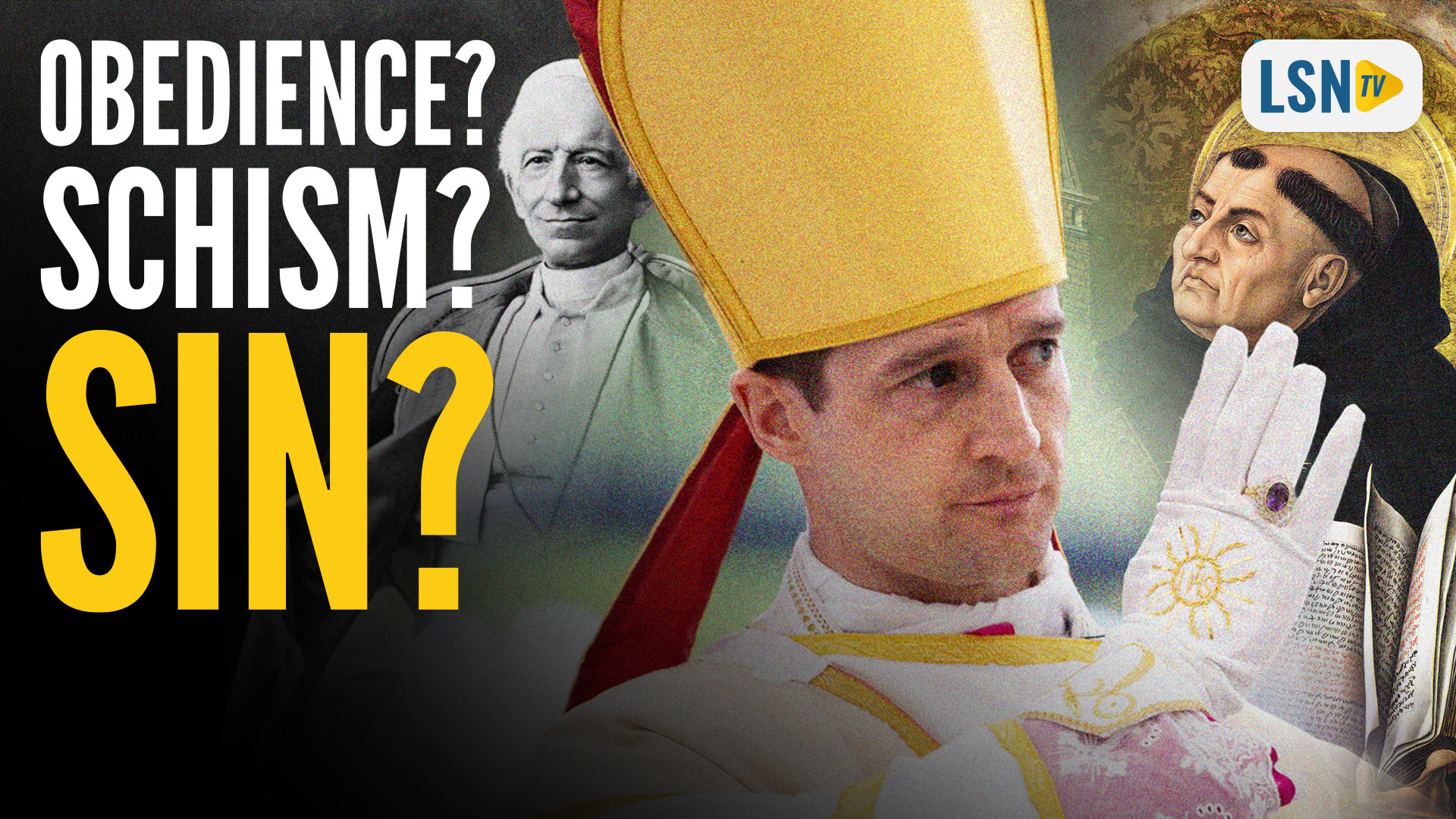
The Society of Saint Pius X has published a Q&A defending its choice to go ahead with episcopal consecrations despite explicit opposition from Pope Leo XIV, arguing the move rests on longstanding theological principles rather than simple defiance. The document leans on authorities like St. Thomas Aquinas, St. Augustine, Pope Leo XIII, and Juan de Torquemada to explain why blind obedience cannot trump the protection of the faith. At its core the Society says obedience is not absolute when a command conflicts with divine law or places the Church in peril, quoting briefly that “when there is an imminent danger to the faith, the prelates themselves must be […]”
The Q&A frames the consecrations as a defensive act intended to preserve sacramental and doctrinal continuity in the face of perceived crisis. Rather than portraying the Society as rebellious, the text insists it is applying a long tradition of canonical and moral reasoning that allows resistance when higher goods are at stake. That line of thought draws on scholastic sources that weigh the duties of clergy to God and to the flock when the two seem to be in tension. The argument is legalistic in tone but meant to be pastoral in aim.
Appeals to St. Thomas are central: the Society cites his teaching about clerical responsibility in times of danger to the faith. The brief quoted passage is lifted to show historical precedent for action by ecclesiastical leaders when the faith is imperiled. St. Augustine’s reflections on duty and conscience are used to reinforce the idea that fidelity to truth can demand extraordinary steps. Together those references are marshaled to show continuity, not novelty.
Pope Leo XIII and figures like Juan de Torquemada are presented as further anchors for the claim that there are limits to obedience where divine law is compromised. The Q&A suggests these authorities provide a prudential framework for weighing orders against their spiritual consequences. The Society frames its choice as an application of that framework: a grim judgment that extraordinary times call for extraordinary remedies. Readers are invited to see the consecrations as the reluctant option chosen to safeguard sacraments and teachings.
To critics who call the move schismatic, the Society counters that a distinction must be made between rebellion and defensive action to preserve the Church. It argues that canon law and moral theology allow for interventions when leadership appears to be abandoning essential elements of doctrine or practice. The Q&A insists the decision was not taken lightly but emerged from study and consultation within their own theological tradition. That claim is meant to shift the debate from personalities to principles.
The document also tries to manage the pastoral fallout by emphasizing continuity of ministry rather than rupture. It underlines the intention to maintain valid sacramental ministry for those they serve and to avoid needless division where possible. Yet the tone is unapologetic about the seriousness of the situation as they see it, presenting sacramental access and doctrinal clarity as nonnegotiable priorities. In short, the move is defended as a desperate course chosen to prevent what they judge a greater harm.
Practical consequences are acknowledged but not dwelt on: the Q&A recognizes the potential for censure and strained relations with Rome, but it frames those risks as collateral to its primary duty. The Society argues that, historically, conscience-bound resistance has sometimes been the only way to preserve the Church’s core life. Critics will see danger in unilateral episcopal acts; supporters will see courage in protecting rites and teachings. The piece reads as both explanation and appeal to those who share its anxieties about the present moment.
Whether one accepts the reasoning or not, the Q&A makes a clear case that the decision emerges from an internal logic rooted in classical theological sources. It insists the move was measured against obligations to God, the faithful, and the historical record of thought on obedience and emergency action. The Society presents its choice as a hard, conscientious judgment meant to uphold what it regards as essential to Catholic identity and survival.
