
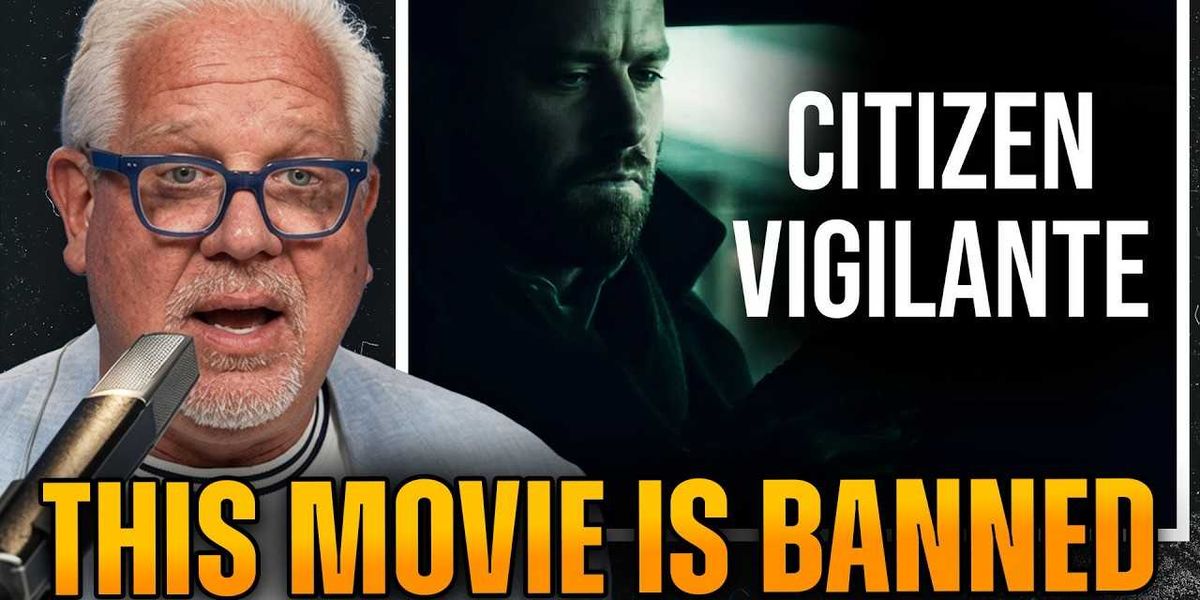
The new action thriller “Citizen Vigilante” starring Armie Hammer has become a flashpoint, banned in Germany and sparking fierce debate about crime, immigration, and how stories shape public mood. The movie follows a masked punisher who targets violent criminals and corrupt officials while building a massive social media following that dares citizens to take justice into their own hands. Conservative commentators worry the film signals a dangerous moral shift where spectacle and online celebrity can normalize real-world vigilantism.
Armie Hammer’s character isn’t the reluctant savior we’ve seen in classics. This protagonist is aggressive, deliberate, and publicly revels in his actions, presenting vigilantism as both entertainment and a rallying call. The portrayal leans hard on the idea of migrant-perpetrated crimes and the officials who allegedly enable them, which makes the film politically charged from frame one.
“[‘Citizen Vigilante’] is being viewed with satisfaction in some communities,” Glenn Beck says, calling it “extraordinarily dangerous.” That warning matters because the film doesn’t just glorify a lone avenger—according to critics, it packages a political grievance into a hero narrative that could inspire copycats. When fiction hands real frustration a script, it becomes easier for people to convince themselves that extreme measures are the only answer.
Think of classic anti-heroes like those in The Equalizer, Death Wish, or Pale Rider—characters who step in reluctantly and then leave. This film flips that script, with Hammer’s role not only embracing punishment but coaxing others into the same mindset. He even uses social platforms to amplify his notoriety, turning brutality into content and recruitable ideology.
Glenn calls the film proof of “an enormous moral shift” and warns that “the gunfighter that stays becomes the tyrant.” That line cuts to the heart of the risk: a one-off act of justice can harden into a standing system of private violence if people start to accept the means because they like the ends. A society that applauds the permanent avenger is one that trades rule of law for spectacle and fear.
Instead of pausing and disappearing, Hammer’s character basks in fame and vows to continue until citizens learn to take matters into their own hands, even referencing “[riding] away in the sunset” only to refuse that closure. The film makes the mask and the platform feel electric and addictive, which is exactly what pundits worry about when real grievances meet pop culture. Turning vigilantism into a brand risks normalizing the very disorder people claim to reject.
“This is a dangerous movie,” Glenn says, and he’s not alone in that assessment. Jason Buttrill, who works with Glenn, explains, “I think the whole point was to … point out actual things that are happening … like in the U.K. There are some very bad things that are happening because of mass illegal immigration. The governments are failing. They’re turning a blind eye to it.” Those are real concerns in communities feeling abandoned by leadership, and art that taps that nerve will always provoke a passionate response.
Buttrill adds that the filmmakers didn’t necessarily paint the vigilante as a clean-cut solution. “They showed that this is not a good guy. He’s a very bad guy. He’s an evil guy. If government fails to protect their people, if they allow these things to happen, there will be a Bubba effect, and you will not like the devil that shows up afterwards,” he says. That nuance is crucial, but nuance rarely survives the rush of applause when a character looks like they’re delivering fast relief.
Glenn fears most viewers will miss the warning and instead hail the character as the fix. “If you’re over in England or you’re in Germany, that stuff is happening,” he says, arguing that some governments are enabling disorder through weak enforcement and selective protections. He warns that suffering citizens might watch and think, “Damn right — that’s exactly what should happen,” which is the last thing a constitutional order needs.
There’s a clear danger in letting entertainment become a manual for real-world action, and that’s the uncomfortable center of this controversy. As Glenn reminds viewers bluntly, “you’re not gonna like the guy who shows up,” and the film intentionally toys with that moral line. To hear more, watch the video above.

1 Comment
Movie or no movie, people are tired of the Blax, criminals and foreign trash. Vigilantism will come about sooner or later.