
Wisconsin’s governor primary has turned into a clear showdown between a rising Democratic Socialist and a pragmatic Republican, with national trends and local strategy shaping a contest that could decide the state’s future direction. The Democratic field looks increasingly radical, while the GOP nominee has consolidated support and built a disciplined ground game aimed at painting his opponent as out of step with Wisconsin voters. This piece walks through the players, the messages, and why the Badger State will be a key battleground. Expect a tight, high-energy fight where contrast matters more than ever.
Francesca Hong has surged to the front of a crowded Democratic primary and is openly courting progressive voters with bold, unapologetic rhetoric. She even posted a celebratory video with the exact caption, “New York City elected a socialist mayor, and the Knicks won their first championship in 53 years. Imagine what we could do with a socialist governor in Wisconsin.” That line lays bare the strategy: link local ambitions to a national leftward movement and energize a base that wants sweeping change.
Independent analysis from recognized pollsters shows Democratic identifiers in Wisconsin have shifted leftward over the past decade, giving momentum to candidates who embrace big, transformational visions. That shift makes a primary victory for someone like Hong plausible if moderates don’t consolidate. For Republicans, that trend is a double-edged sword: it helps explain how Democrats nominate more extreme options, and it sets up a clear contrast on November ballots.
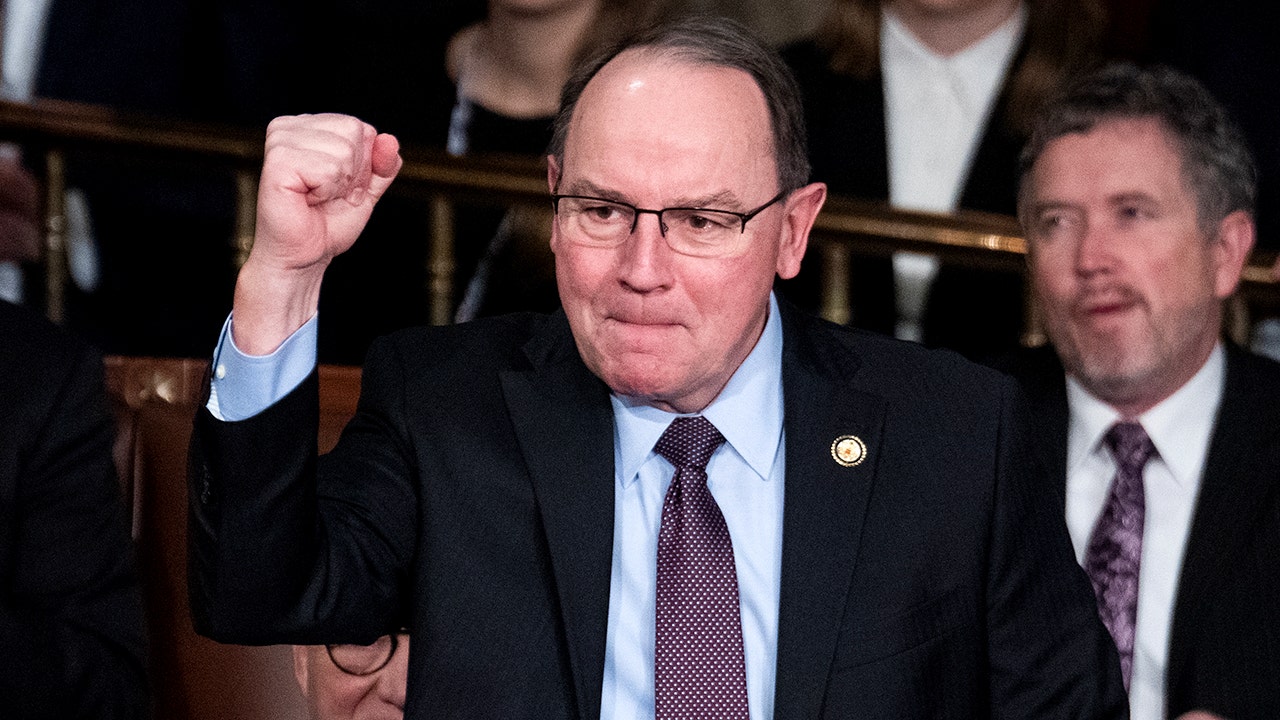
Tom Tiffany’s approach is to make the choice simple and stark: steady, common-sense governance versus radical experimentation. He’s leaning into practical issues voters care about—lowering costs, cutting waste, and defending public safety—while casting his opponent’s agenda as untested and risky. That framing is classic politics, but it can be effective when voters are worried about bills, utilities, tuition, and community safety.
Tiffany lays out a menu of practical fixes: roll back decades of property tax increases, push for transparency in healthcare, restrain utility rate hikes, freeze college tuition, and make state government leaner and more accountable. Those are plain promises that speak to working families who pay the bills and want stability. The campaign uses real-life stories about small businesses and budgeting challenges to make those policy goals feel personal and achievable.
Hong’s platform, by contrast, embraces ideas that many voters will find radical. She has spoken about “a world without prisons” and proposed cutting back law enforcement powers, along with supporting large tax increases and permissive social policies. That combination appeals to energized progressive activists but risks alienating centrists and moderate Democrats who worry about public safety and economic consequences.
On the nomination front, Tiffany has cleared a lot of the noise. Primary rivals have faded or dropped out, the party establishment has moved behind him, and he’s dominated the airwaves with a steady message since spring. Early endorsements and an organized media strategy gave his campaign the advantage of shaping impressions before the Democratic primary sorts itself out, which can be decisive in a close statewide race.
Wisconsin’s electoral history makes this contest particularly consequential. Turnout swings dramatically between spring primaries and November general elections, and the state has been razor-close in recent national cycles. Donald Trump carried the state in two of three presidential elections, and a conservative senator has won statewide twice, showing how fluid the electorate can be. That volatility rewards disciplined campaigns that can both energize their base and persuade moderates.
Tiffany’s team has focused on the three Ms: message, manpower, and money. Aggressive fundraising pushed other Republican hopefuls aside and allowed the campaign to start paid outreach early, which in turn boosted small-dollar giving and volunteer recruitment. The field operation now claims the most aggressive grassroots effort the state has seen in years, with door-knocking and local contact driving recognition in key communities.
Democratic dynamics are helping the GOP case. Gov. Tony Evers kept a moderate image by cutting deals in a divided government, but the remaining Democratic hopefuls have embraced sharper, uncompromising positions. That creates an opening for Tiffany to brand the eventual nominee as extremist and out of sync with mainstream Wisconsin values. With both parties paying close attention, expect a bruising, close race that will be fought on message discipline and ground game strength.
