
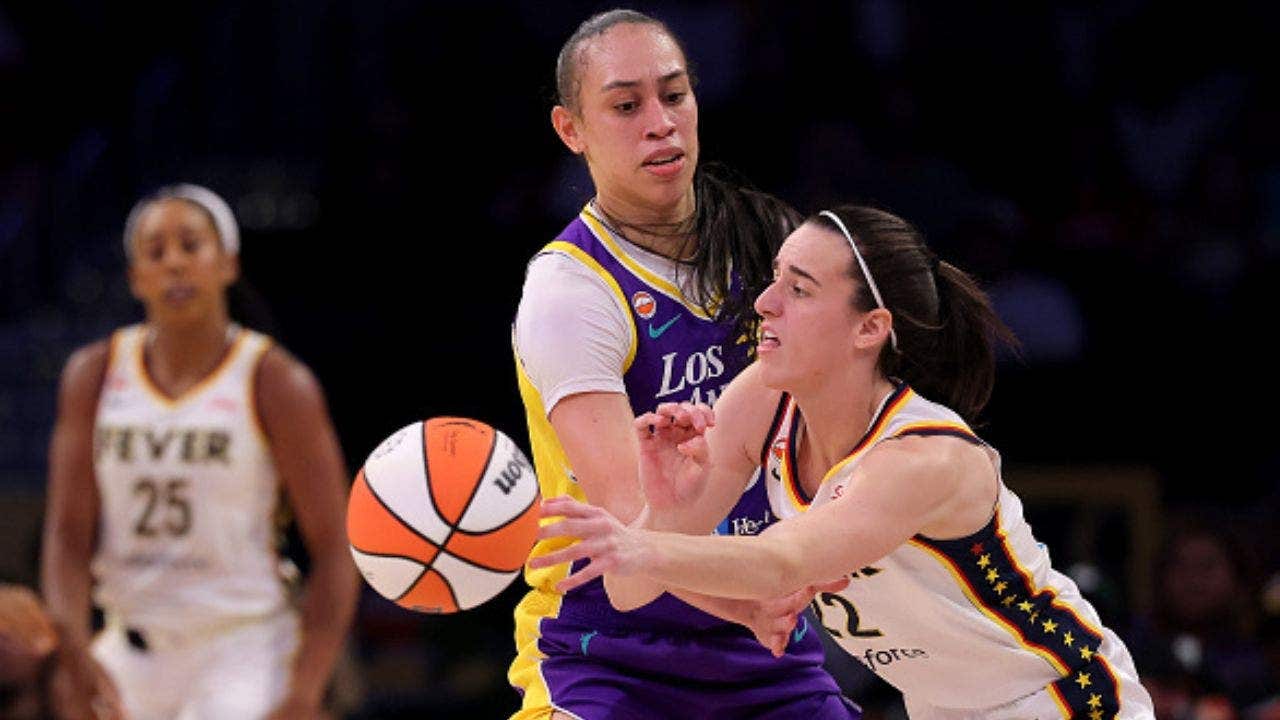
The WNBA returned to headlines as expectations met reality in a packed house; fans saw a short, watched comeback and a tougher-than-expected loss. Energy was high, questions about minutes and recovery were louder, and the Sparks executed better when it mattered. This piece walks through the moment, the coaching choice, the on-court flow, and what it might mean next for the team and its star rookie.
“Caitlin Clark’s return from injury lasted just 16 minutes as coach Stephanie White’s minutes restriction fueled Indiana’s 106-92 loss to the Sparks.” The sentence lands hard because it sums up both hope and frustration in one breath. It also sets the tone for dissecting why a short comeback shifted the game’s momentum.
Fans showed up ready to see a return to form, and Clark’s presence alone altered the floor dynamics even in limited time. Opponents adjusted their defense to account for her shooting gravity, which created space for others and changed rotations. That kind of ripple effect is exactly what teams study when preparing for a player coming back from injury.
The Sparks capitalized on those changes by executing crisp offense and making timely stops, turning opportunity into scoreboard advantage. They hit a few contested shots and kept the pace in transition, which forced Indiana to chase rewrites on both ends. Momentum in basketball is a chain reaction, and Los Angeles linked enough plays to pull away.
Coach Stephanie White’s decision to cap minutes felt cautious and clinical, and that split opinion across social feeds and the stands. Managing injury recovery in-season is always a balancing act between health and competitive chemistry. The choice clearly favored long-term availability over risking an immediate spark that might flare and burn out the rookie’s season.
From Clark’s perspective, getting back on the court brought visible excitement and a reminder that basketball instincts don’t vanish during a layoff. She showed flashes that hinted at what made her a household name in college: court vision, quick decision making, and a willingness to take responsibility. Those flashes are the seedlings of confidence a team needs in the grind of a pro season.
Teammates had to recalibrate on the fly, which can be disruptive even when a star returns. New lineups, fewer minutes for backups, and the pressure to make plays in tighter windows all add stress to chemistry. Teams that handle those transitions smoothly usually show it in second-half adjustments and late-game poise.
The Sparks’ bench stepped up late and gave their starters breathing room, which is a sign of roster depth paying off. When a club can absorb runs and still answer with production from reserves, it takes a toll on opponents who lean heavily on one player. Depth wins nights like this because it sustains energy and execution over 48 minutes.
Coaching matchups matter too, and adjustments after halftime revealed which staff was better prepared for this particular chess match. Defensive switches, where to foul and where to concede, plus how to use timeout windows all shaped the final margin. The Sparks made smarter choices at crunch moments and turned them into points that mattered more than the highlight reel plays.
Indiana’s offense showed signs of life but lacked the sustained efficiency needed to erase a late deficit. Shot selection under pressure became uneven and turnover moments crept in as the game tightened. Those are the micro-decisions coaches hate because they’re predictable and preventable with sharper execution.
On the audience side, the spectacle of a star’s return—even brief—keeps interest high and ticket demand strong, which matters for the league’s momentum. Viewers want to see progress and recovery stories; they want to debate minutes and coaching plans. The conversation after this game will keep fans tuning in to see how the narrative unfolds.
Looking ahead, the real question is how the team and Clark adjust to a paced reintroduction into the lineup without losing development time. Minutes will be rationed, reps will be precious, and every practice will count more than it might otherwise. Smart management now aims to have her available down the stretch when playoff intensity ramps up.
For the Sparks, this game reinforced that championship-style basketball needs more than a star; it requires balance and depth. They showed a blueprint for neutralizing a high-profile return and turning public anticipation into a manageable matchup. That competence in clutch windows is a quiet form of intimidation.
Media and fans will parse every angle, but the players keep waking up to the next practice and next matchup regardless of outside noise. Recovery timelines and coaching philosophies will get hot takes, and the team will simply continue its daily work. Trust in process is a cliché because it works.
At season pace, one night rarely defines a campaign, but the lessons from this loss are tangible and useful. Managing minutes, sharpening late-game decision making, and expanding bench contributions are immediate action items. If those boxes get checked, a short return like this becomes a building block rather than a headline for regret.
