
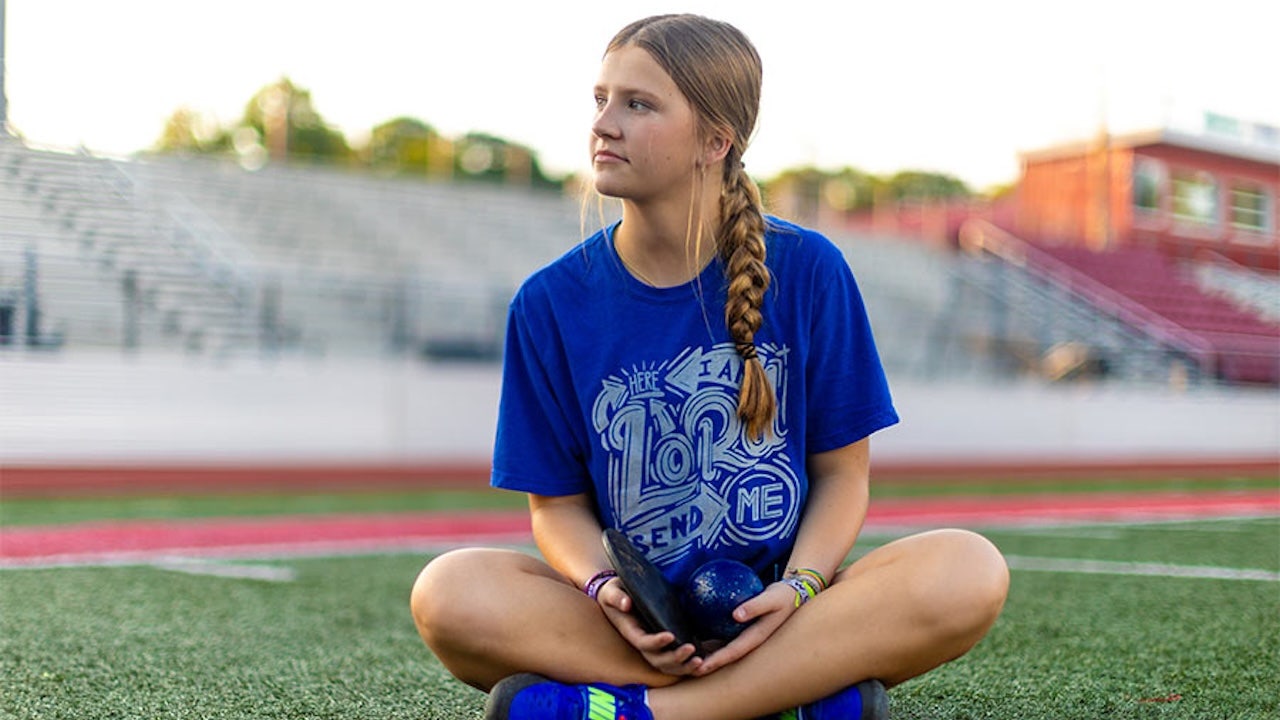
Adaleia Cross says she quit girls’ sports after alleged sexual comments in the locker room by a transgender teammate, and the fallout is raising tough questions about locker room safety, school policy, and how we protect students who just want to play. This piece looks at her claim, the broader issues it touches, and why many families and educators are demanding clearer rules and better support for all kids.
Adaleia Cross, a young athlete, says she stopped playing because of behavior she found sexually harassing while changing with other girls. She describes an environment that felt unsafe and embarrassing, and she says those moments piled up until she decided to walk away from the team. That choice cost her not just practices and games but a part of her daily life and confidence.
Allegations like these throw schools into a tough spot. Administrators must balance nondiscrimination policies with privacy and safety concerns, but when a student feels unsafe in a locker room it becomes a clear disciplinary and welfare issue. Parents are left wondering what counts as appropriate oversight and how schools actually respond when someone raises a hand and says they were made uncomfortable.
There are no easy answers, because policies vary wildly across districts and states. Some places provide private changing options, separate facilities, or accommodations that avoid direct conflict, while others rely on case-by-case judgments. What families and coaches repeatedly ask for is consistency and predictable steps so incidents get handled quickly and transparently.
Health and well being matter here as much as rules. Young athletes who step away from sports miss out on exercise, social bonds, and confidence building, all of which matter for long-term development. Cross’s account is a reminder that when students feel unsafe, the consequences reach beyond the locker room — they affect mental and physical health too.
School staff and athletic programs need clearer training on boundaries, communication, and how to de-escalate situations before they escalate. Coaches often care deeply about their players but do not always get the resources or guidance needed to manage complex social dynamics. Better training paired with simple, enforceable procedures can prevent confusion and protect privacy for everyone involved.
Legal and policy debates swirl around the athletics side of this issue as well. Questions about eligibility, fairness, and privacy intersect with broader civil rights discussions, and courts and legislatures are still sorting many of these matters out. Until there is broader clarity, individual schools are left to navigate these disputes in ways that can feel arbitrary to students and families.
Families need a clear path for reporting concerns and seeing meaningful follow up, and students need options that let them feel safe without being singled out. That can mean better supervision around locker rooms, more private changing spaces, and straightforward timelines for investigations. When schools build trust through transparent action, students are more likely to come forward and coaches can keep teams focused on sport.
This story is about more than a single claim. It points to the urgent need for policies that respect privacy, protect vulnerable students, and keep extracurricular programs inclusive and safe. The real goal is simple: make sure every kid who wants to play can do so without fear or humiliation, and give schools the tools they need to make that happen.
