
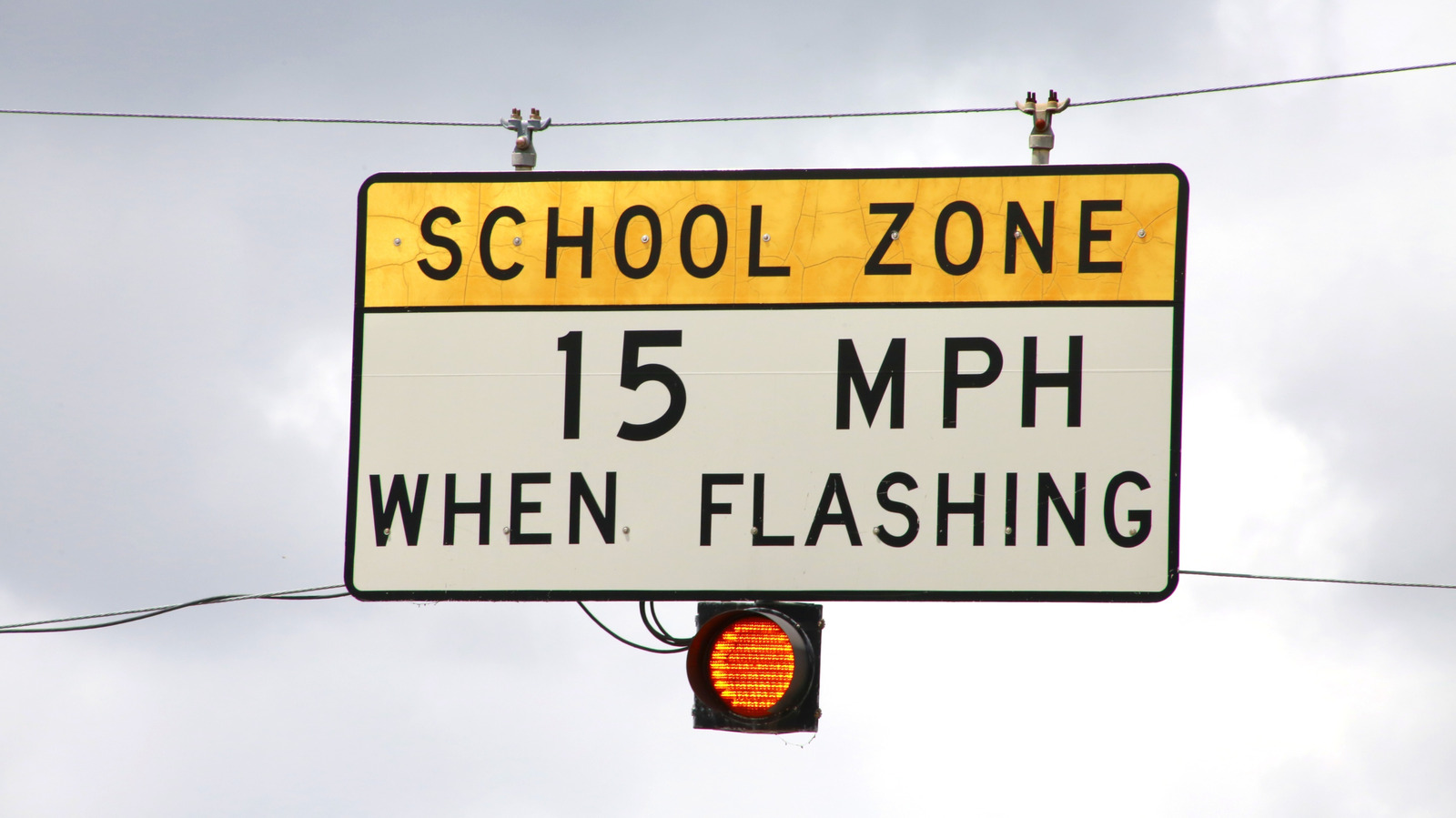
This piece explains why certain speed limit signs flash, what they are trying to achieve, and how they work in practice. You will get a clear take on the safety goals behind flashing signs, the common technologies used, where they are deployed, and the tradeoffs officials weigh when deciding to install them. Expect straightforward examples from school zones, work zones, and speed-activated displays, plus a look at effectiveness and maintenance. The tone is practical and conversational, aimed at drivers and local decision makers.
Flashers on speed limit signs are primarily about getting attention. A static sign blends into the roadside scenery, but a light captures the eye, especially in busy or distracting environments. Engineers use that extra noticeability to interrupt a driver’s routine and nudge behavior toward the posted limit without relying on enforcement. In short, the lights exist to make drivers look and think twice.
Many of the flashing signs you see are speed-activated radar signs that blink only when a driver exceeds the limit. They measure speed with a Doppler radar or lidar, compare it to the posted threshold, and trigger a warning light or an alternating message. That conditional flashing avoids constant illumination and makes the feedback immediate, which is a key factor in changing driver habits. Immediate feedback beats delayed penalties for reinforcing safer choices.
Common placements include school zones during drop-off and pick-up times, temporary work zones with altered traffic patterns, and pedestrian-heavy corridors where unexpected crossings happen. Authorities often pair flashing signs with reduced speed limits during specific hours or construction phases to highlight a temporary change. In school settings, the combination of flashers, crosswalks, and crossing guards creates a layered defense for kids. For work zones, the lights protect crews by reminding drivers to slow down where lanes shift or workers are present.
Technologies behind the lights vary from simple solar-powered units to integrated networks that report speeds back to traffic managers. Solar panels keep many installations independent of the grid, which lowers installation costs and simplifies placement. More advanced systems log data so agencies can analyze trends, seeing when and where speeding spikes occur and whether the signs reduce violations over time. That data-driven approach helps decide if a flashing sign should be permanent, temporary, or replaced by other measures like speed cushions or targeted enforcement.
The evidence on effectiveness is mixed but promising in many cases. Short-term studies regularly show immediate reductions in average speed when the lights are active, with the strongest effects within the first weeks after installation. Long-term compliance can erode unless the units are rotated, retuned, or supplemented with enforcement and public education. Cities trying to cut crash rates often treat flashers as one tool among several rather than a cure-all.
Cost and upkeep matter too, and local budgets drive decisions. Solar units and LEDs are low-maintenance but still require periodic inspection, battery replacement, and cleaning. Municipalities balance those costs against potential savings from fewer collisions and reduced emergency responses. The public also weighs in: some drivers welcome anything that calms traffic, while others see flashing signs as visual clutter or ineffective if not backed by real consequences.
Design choices influence behavior: frequency of flash, brightness, and whether the light targets the offending vehicle or the general traffic stream. Too aggressive a response can provoke complaints and possibly desensitize drivers, while a subtle cue might not produce enough of a behavioral nudge. Traffic engineers aim for the sweet spot where the light draws attention without becoming a permanent background and where drivers come away with a clearer sense of safer speeds.
In practice, flashing speed limit signs are a low-friction way to improve awareness and reduce risky behavior in targeted spots. They are most useful when timed or triggered to match actual hazards, supported by data collection, and accompanied by sensible enforcement. Used thoughtfully, these lights help turn good intentions into safer roads for everyone.
