
Medicare fraud is draining taxpayer dollars and targeting seniors, and leaders are warning it has ballooned into a crisis that hits budgets and people alike. This article breaks down what the problem looks like, why it matters for Americans worried about retirement, and what a tough, practical approach can do to protect the program and the people who rely on it.
Medicare fraud isn’t a minor nuisance. It ranges from billing for services that never happened to overcharging for equipment and using stolen identities to siphon benefits. For conservatives, the issue lands squarely on fiscal responsibility: every dollar stolen weakens a safety net millions of Americans count on later in life.
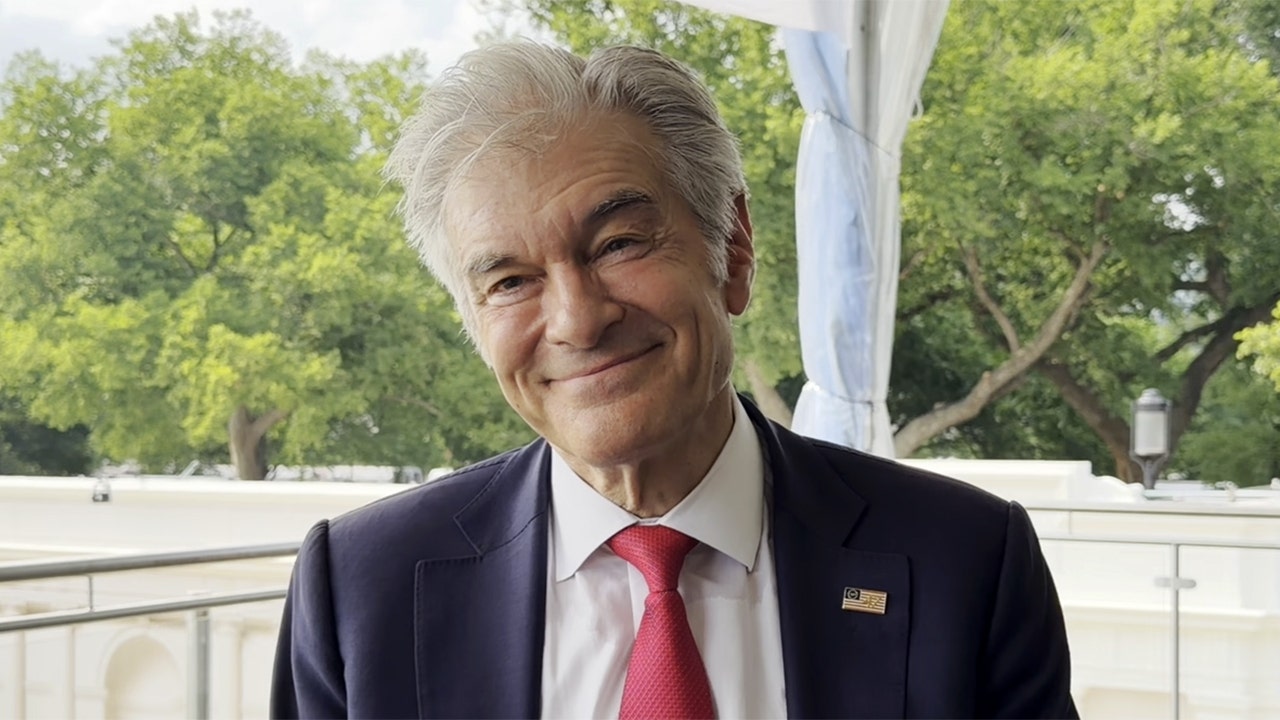
Dr. Mehmet Oz, serving as the administrator of the Centers for Medicare & Medicaid Services, pointed to the scale of the problem in blunt terms and tied it to rising costs since the pandemic. “If I had to just pick one thing to focus on to make healthcare more affordable in America, I’d go to health fraud and all the waste and abuse that accompanies it,” said Oz, who is the administrator of the Centers for Medicare & Medicaid Services. “And just to put this in perspective, we think it’s about $100 billion a year.”
That estimate matters because it translates into higher premiums, less money for care, and a thinner social compact for future generations. Fraud doesn’t just bite into a ledger; it exposes seniors to identity theft, subjects them to unnecessary treatments, and makes access to legitimate care tougher because resources are wasted on scams. Conservatives see cracking down on fraud as common-sense stewardship of taxpayer money and direct protection for vulnerable Americans.
Scammers exploit the trust and confusion many older Americans face, and the methods are ugly and persistent. “I’m talking about people tricking seniors to give up their Medicare beneficiary numbers, which is like a credit card basically,” he said. “These scammers can take those numbers and use them for all kinds of illegitimate purposes.” That kind of identity theft cascades into long-term problems for victims and extra costs for the program.
Fraud also shows up as fake shipments and bogus services pushed on seniors who don’t need them, sometimes by unscrupulous providers looking for quick billing wins. “People are stealing from you by pretending to send you drugs you don’t want, wheelchairs you don’t need, [and] services you never asked for or don’t benefit from,” Oz added. It’s not just numbers on a spreadsheet; it’s real harm disguised as care.
The administration points to recent gains where heightened enforcement produced sizable savings, signaling that a focused push can work. In 2025 CMS reported major program integrity savings after ramped-up efforts, proof that aggressive oversight and enforcement move the needle. From a Republican view, prioritizing enforcement and cutting waste is a direct way to make healthcare more affordable and preserve benefits for future retirees.
Practical advice for seniors is straightforward and lifesaving: don’t hand your Medicare number to strangers, avoid answering unknown callers promising free services, and never give away personal information. To prevent this, he shared his top advice for seniors: Do not give your Medicare beneficiary number to anybody, do not answer questions on a phone call from an unknown person and do not give away personal information. Those simple habits block many of the common scam routes.
There is a larger policy argument at stake beyond individual tips: cleaning up fraud could strengthen the program’s finances and extend its life for the next generation. “We want to protect people who need these programs the most,” Oz went on. “You do that by making sure scoundrels don’t corrupt the systems and steal money out of the till that is designed to help folks in dire straits when they’re vulnerable and in need of services.” Removing fraud could “double the life expectancy of the trust fund that makes all this possible,” Oz predicted.
For taxpayers and those worried about retirement, the takeaway is clear: tackling fraud is both moral and practical. “If you’re worried about Medicare being there when you’re ready to retire in a couple decades, depending on how old you are, and you’re concerned that it might not last because of all the fraud that’s hitting it … you’ve got a good [reason to] worry,” he said. “If we take the fraud out, we could double the life expectancy, which means you, your kids, your kids’ kids … they could all benefit from this beautiful safety net program.”
