
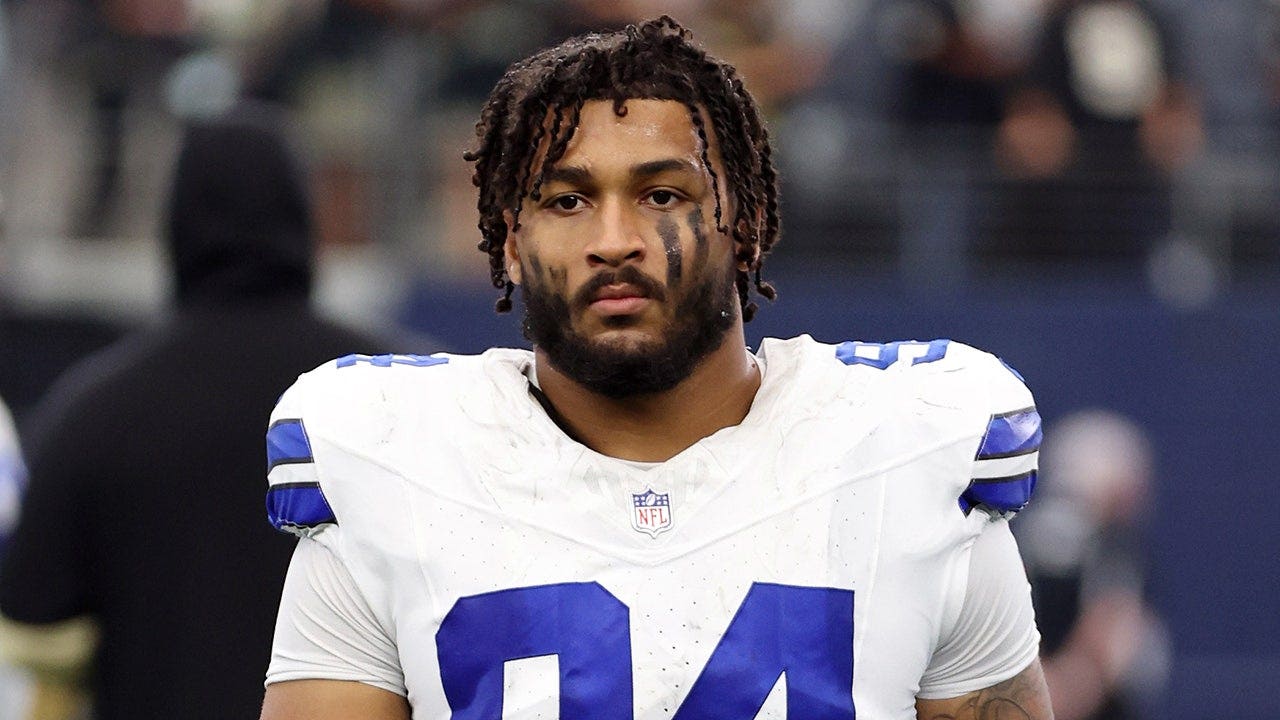
Marshawn Kneeland, a former Dallas Cowboys defensive lineman, was posthumously diagnosed with Stage 1 chronic traumatic encephalopathy after his death following a high-speed police chase in November 2025. This piece looks at what that diagnosis means, the context inside professional football, and why the news matters for players, families, and the sport. You will read about the medical basics, the link between brain injury and behavior, and the broader questions that keep coming up after a tragic outcome like this.
Former Dallas Cowboys defensive end Marshawn Kneeland, who died by suicide in November 2025 after a high-speed chase with police, was diagnosed with Stage 1 of CTE. That single sentence carries a lot: a name, a timeline, a violent final episode, and now a medical finding that frames the story differently. The diagnosis does not explain everything about his life or death, but it adds a medical lens to events that were already heartbreaking and confusing for those who knew him.
Stage 1 CTE is the earliest of the disease’s classifications, and it typically shows up under a microscope as small pockets of tau protein buildup in specific brain regions. In this stage the physical changes can be subtle and may not produce obvious symptoms, though researchers have linked early CTE to mood swings, depression, and mild cognitive issues in some cases. That uncertainty is central to why every CTE finding prompts both caution and concern: correlation exists, but individual stories are complex.
In football conversations, CTE has been a persistent, unsettled topic for more than a decade, and every high-profile diagnosis pushes it back into headlines. Teams, leagues, medical researchers, and families keep circling the same questions about concussion protocols, practice contact limits, and whether equipment improvements are really making a difference. Those debates matter because they shape policy and culture, and because the people affected are real athletes with real families who face long-term consequences.
Mental health sits squarely in the middle of this story. The link between repetitive head trauma and changes in mood or behavior is an active area of study, and while nobody says CTE alone caused any single tragedy, it is a risk factor worth paying attention to. Athletes often face a culture that discourages vulnerability, and when symptoms like depression or impulsivity appear, they can be misread, minimized, or missed entirely until something irreversible happens. That reality pushes advocates to argue for earlier screening, better access to mental health care, and safer return-to-play rules.
Details about the high-speed chase and the circumstances of Kneeland’s death raised questions and strong reactions at the time, many of which still linger now that this diagnosis is public. Law enforcement encounters and moments of crisis intersect with medical complexity in ways that are rarely straightforward, and this case is no exception. When a postmortem diagnosis of CTE is announced, it usually prompts calls for more transparency from teams and medical staff, and renewed interest in how preventative steps could be improved.
Families of former players are the ones who feel most of the consequences, juggling grief, medical bills, and the burden of public attention, and diagnoses like this one bring both clarity and more questions. Some relatives welcome a diagnosis because it offers a tangible explanation for baffling behavior, while others worry it will simplify a person’s identity to a single condition. Either way, the conversation often shifts toward what can be done now to help current and future athletes avoid the same fate.
Research continues to push forward, with labs working on biomarkers and safer imaging techniques, but there is no quick fix. Prevention strategies rely on coaching changes, equipment innovation, medical oversight, and cultural shifts that let players speak up without fear of losing playing time. The NFL, college programs, and youth leagues all face mounting pressure to adopt measures that reduce cumulative head impacts and make mental health resources standard rather than optional.
This news about Marshawn Kneeland joins a long list of cases that have forced sports fans and officials to reckon with a tough reality: contact sports carry risks that extend far beyond the playing field. The diagnosis adds a layer to an already painful story and keeps alive the debate about how society protects athletes at every level. It is a reminder that medical findings matter not just in labs and journals, but in the lives of people and families who demand better answers and better prevention.
