
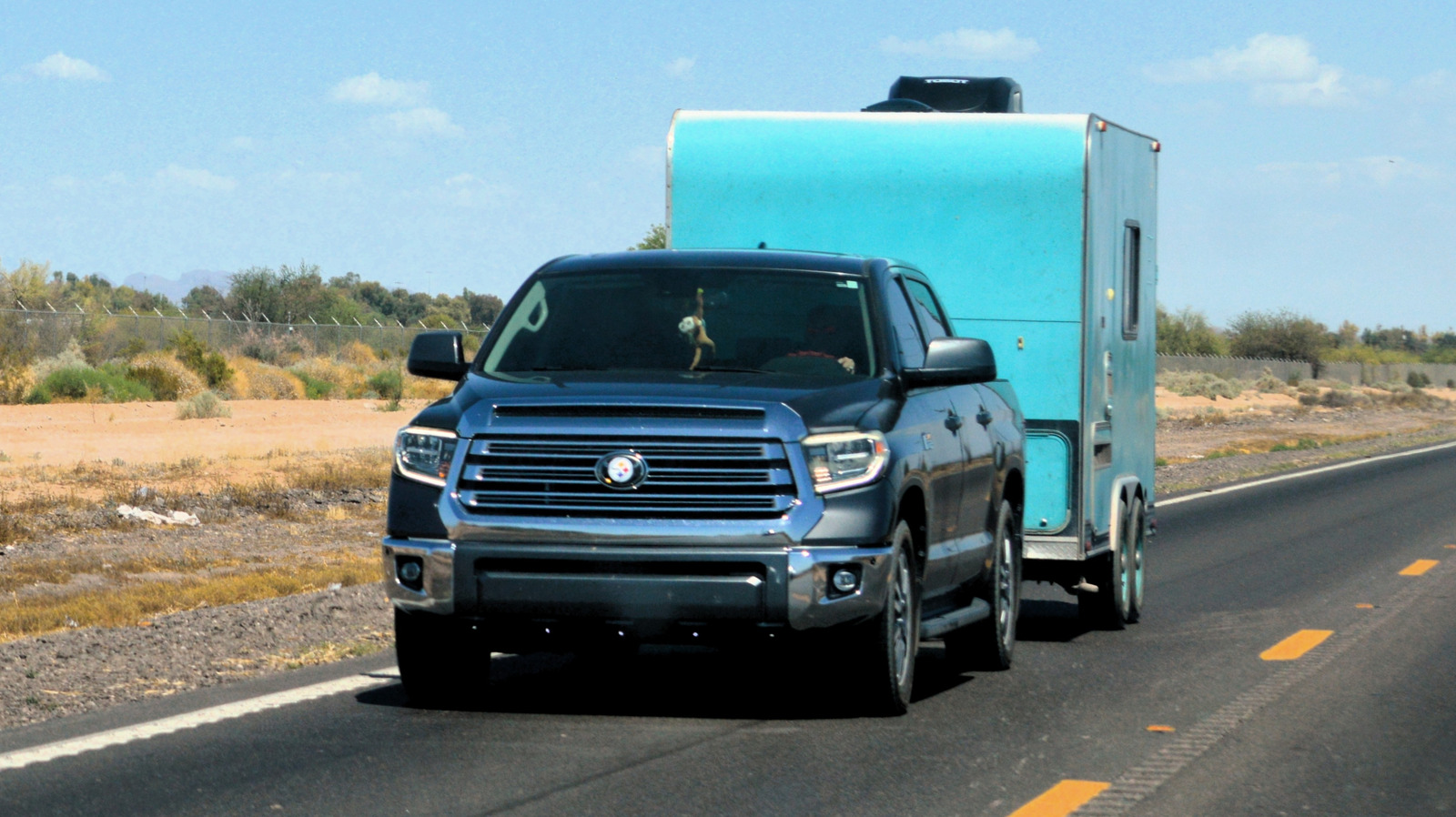
Towing changes everything about how your vehicle handles, brakes, and obeys speed rules, so this piece lays out why caution matters, how vehicle and trailer characteristics affect safe speeds, the difference between legal limits and sensible driving speeds, key equipment checks before you hit the road, and practical driving habits to reduce risk while towing.
Towing demands respect because you’re asking your vehicle to do more than it was built for by itself. A loaded trailer turns accelerations, steering inputs, and emergency stops into a different animal. Speed becomes a factor not just of obeying signs, but of how controllable and stable the whole rig remains.
Weight distribution and tongue load are small-sounding details that make a big difference. Too much weight aft or too little on the hitch invites sway, and sway kills control fast. Knowing your tongue weight, hitch rating, and the combined gross trailer weight helps you pick a realistic pace before you leave the driveway.
Legal towing speed limits exist, but the posted number is often a floor for safety judgment, not an absolute guarantee of stability. Some states lower posted speeds for vehicles towing anything over a set weight, while local roads and bridges sometimes have specific restrictions. Treat the law as a baseline and add a margin of caution depending on wind, grade, or traffic density.
Stopping distances grow quickly once you add mass behind the tow vehicle; brakes heat up and effectiveness drops. Give yourself extra space and plan stops earlier, using lower gears to help control descent on hills. If your trailer has electric or surge brakes, test them often and listen for fading performance on long downhill runs.
Pre-departure checks are not optional when you tow: inspect tires for correct pressure and condition, confirm the hitch and safety chains are properly secured, and verify lights and mirrors are aligned for the wider footprint. A loose lug nut or underinflated tire can escalate into a catastrophic failure at speed. Make a quick walkaround every time and tighten or replace anything that looks off.
Driving technique shifts when you pull a trailer; sharp inputs are your enemy. Brake gently and early, accelerate smoothly, and keep turns wider than usual to avoid clipping curbs or other lanes. Crosswinds, passing semis, and narrow shoulders all require slowing significantly and steering with small, deliberate corrections.
Know when to drop well below the posted limit: heavy crosswinds, wet roads, night driving, steep grades, or dense traffic call for slower speeds so you can react without provoking sway or overloading brakes. On highways keep a speed that leaves room for other drivers to safely overtake without forcing abrupt lane changes. When conditions worsen, the sensible speed might be half a few miles per hour less than comfortable, not a marginal tweak.
Trailer handling improves with practice—start with short runs in light traffic to learn how the combo behaves under braking and cornering. If you haul regularly, consider weight-distribution hitches, sway control devices, and upgraded cooling or brake packages based on your load profile. Simple habits like double-checking connections and reducing speed in questionable conditions deliver outsized safety returns without drama.
