
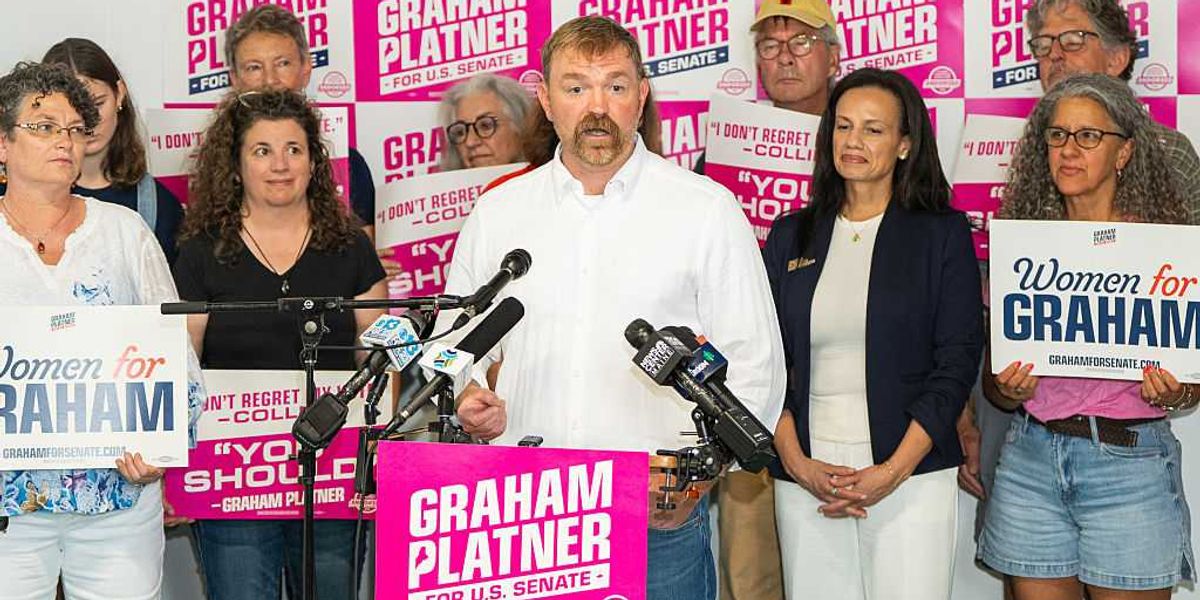
The Maine Senate race has suddenly tightened after new sexual misconduct allegations surfaced against Democratic nominee Graham Platner, prompting a firm denial from the candidate and growing calls for him to step aside as Republicans and independents watch closely ahead of November.
Graham Platner’s campaign faces a critical moment after a fresh report surfaced alleging sexual assault by a woman who once dated him. Platner released a short video pushing back hard, calling the claims “troubling, serious, and false” and insisting any accusation of nonconsensual behavior is “categorically false.” His response left Republicans and swing voters with more questions than answers about the trajectory of the race.
In that same video, Platner struck a familiar progressive tone, praising his movement and claiming “the largest volunteer base in the history of Maine politics” with a singular aim to defeat Susan Collins. But he also acknowledged the political damage the report could do, saying he would “take time to reflect on the best path forward for the state that I love,” a line that suggests he recognizes the campaign’s vulnerability. That kind of equivocation doesn’t inspire confidence among voters who want clarity and accountability.
Republican strategists are already smelling opportunity. Platner’s progressive label and alignment with far-left causes made him an easy target for scrutiny during the primary, and now those unresolved questions leave a path open for Collins and GOP operatives to press the issue. For many voters, serious allegations demand a decisive answer, not a vague promise to “reflect” while the calendar ticks toward November.
Platner emphasized how many Mainers turned out for him in the primary, arguing that “154,058 Mainers — the most in primary history — voted to reject a broken politics beholden to Washington and the donor class.” He framed his campaign as a movement to “take back our economy” and the Senate seat, insisting his supporters deserve to see that vision through. Yet the moment calls for sober judgment; supporters and party leaders now face the choice between loyalty and the practical risk to the general election.
https://x.com/grahamformaine/status/2074214272628916296?s=20
While Platner is not officially part of the Democratic Socialists of America, his platform often echoes their priorities, which could further complicate efforts to broaden support in a general election. Independent voters and moderate Democrats who might otherwise oppose Collins are unlikely to embrace a candidate shadowed by credible misconduct claims. That political reality matters because Maine’s independent electorate has decisive sway in statewide contests.
Not everyone in Platner’s party has abandoned him immediately. Top Democrats have publicly reiterated endorsements and stressed unity against Collins, a sign the establishment fears losing a chance to flip a Senate seat. Still, influential figures outside Maine have made clear lines: “I endorsed Graham Platner,” Senate Majority leaders have said, while others have withdrawn support amid the allegations.
Steve Guest of a press conference earlier this year with Senate Minority Leader Chuck Schumer being asked about Graham Platner and the explanations he has given for the past allegations.
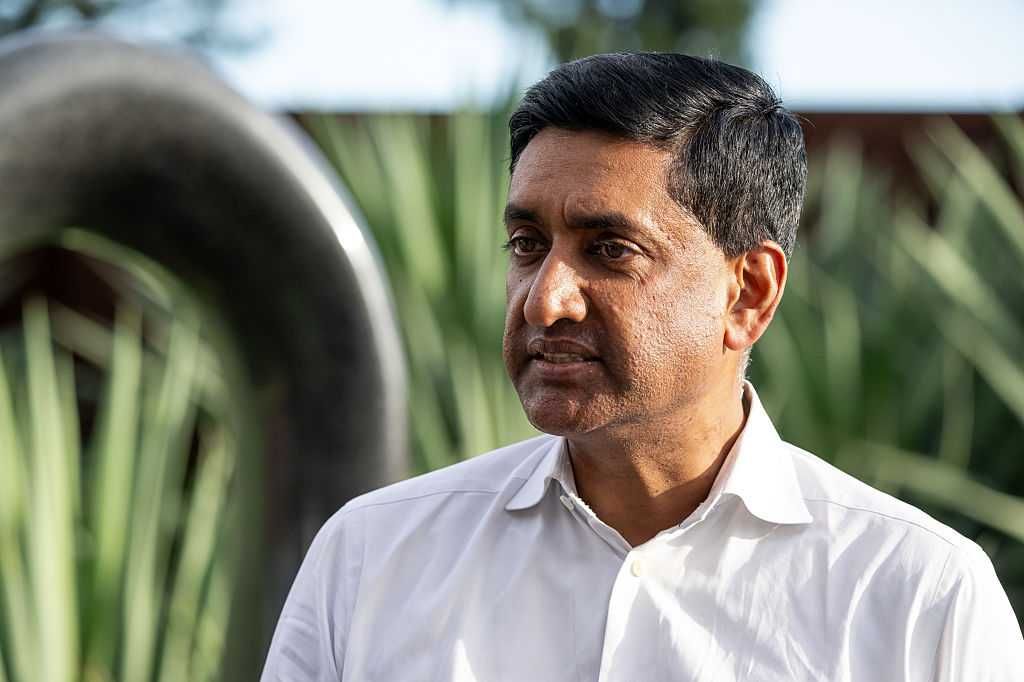
Pressure intensified when Rep. Ro Khanna broke with his former support on social media, delivering a blunt public statement: “I’ve been very clear that sexual assault or violence against women is a red line. These allegations are very serious and credible. Graham Platner should drop out from the race. I am withdrawing my endorsement.” That is the language of consequences, the kind that can alter the math of a competitive race.
The campaign insistence on fighting forward, and Platner’s insistence he will continue to “use every tool at our disposal” to defeat Susan Collins, sets up a high-stakes fall if he remains the nominee. From a Republican point of view that’s a clear advantage: a bruised opponent tied to the national progressive wing is easier to frame in November. The party will press both the credibility questions and the record differences to persuade undecided voters.
Graham Platner won the June 9 primary and remains the apparent Democratic nominee for now, but political careers hinge on moments like these. Voters deserve a transparent process and quick answers; the longer the uncertainty persists, the more the electorate leans toward candidates who offer steadiness and clear accountability. Republicans will be watching closely and making their case to Mainers who want reliable leadership in the Senate.
Hours after the report broke, national Democrats scrambled to contain fallout while Republicans prepared to capitalize. With the general election looming, this controversy could define the matchup and shape whether Susan Collins faces a weakened challenger or an open path to retain her seat. The political implications are immediate and potentially decisive.
Blaze News contacted several lawmakers for comment but did not immediately receive responses.
