
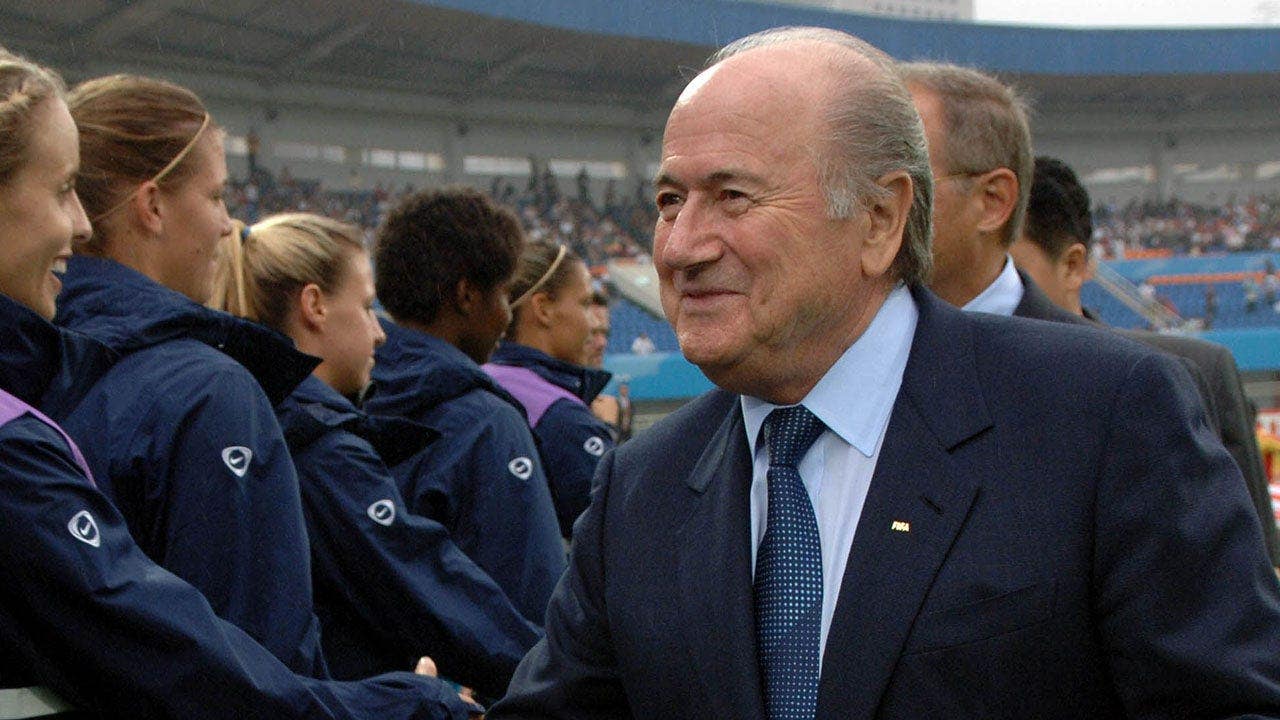
Sepp Blatter publicly questioned FIFA’s integrity after President Donald Trump phoned Gianni Infantino and the red card suspension for Folarin Balogun was subsequently overturned. The unfolding sequence has conservatives pressing for transparency and concrete answers about how decisions are made inside world soccer’s governing body.
The story is simple on its face: a high-profile phone call, then a disciplinary reversal that changed a player’s fate. For anyone who wants fair play, that sequence demands a clear, public explanation from FIFA about what actually happened and why the rules were applied the way they were.
When Sepp Blatter raised concerns, he tapped into a long-running debate about accountability inside international sports organizations. Blatter’s critique lands differently now because it follows a direct intervention by a sitting president, and people want to know whether influence was exerted or whether the reversal was purely procedural and justified.
Republican readers should see this as a test of institutions. If decisions can be reshaped after a phone call, regardless of who makes it, the system looks fragile and subject to favoritism. Conservatives tend to favor clear rules, consistent enforcement, and evidence of impartiality, not back-channel fixes or unexplained reversals.
Transparency is the obvious remedy. FIFA should release a timeline, the reasoning used by its disciplinary committee, and any internal communications that led to the reversal. Redacting private details is one thing, but hiding the logic behind a decision that affects a player’s career is unacceptable in a sport that sells itself on fairness.
There is also a reputational angle here. When a global organization looks opaque, critics will assume the worst, and that assumption sticks longer than any official statement. Blatter’s commentary feeds that suspicion, and unless FIFA answers directly and credibly, the story will keep growing legs in the public square.
The media will spin this according to its preferences, but the core questions are straightforward and nonpartisan: Was proper procedure followed, who made the final call, and what standards governed the reversal? Those are the answers voters and fans deserve, and they do not require partisan gymnastics to be important.
Practical fixes are available and not radical. An independent review of disciplinary decisions, clearer publication of evidence used in appeals, and a standardized timeline for resolving contested suspensions would cut down on suspicious coincidences. Sports bodies that want legitimacy should embrace those reforms rather than resisting sunlight.
There is a broader principle at play beyond one phone call or one red card. If institutions are to command respect, they must be predictable and explainable. That means rules enforced the same way for everyone, public reasoning for decisions that affect careers, and bureaucratic structures that limit arbitrary influence.
People who care about fair competition should push for immediate clarity from FIFA and reforms that harden decision-making from outside pressure. The ball is now in FIFA’s court to prove that this reversal was about rules and evidence, not favors or influence, and the organization should respond with specific, verifiable information rather than vague denials.
