
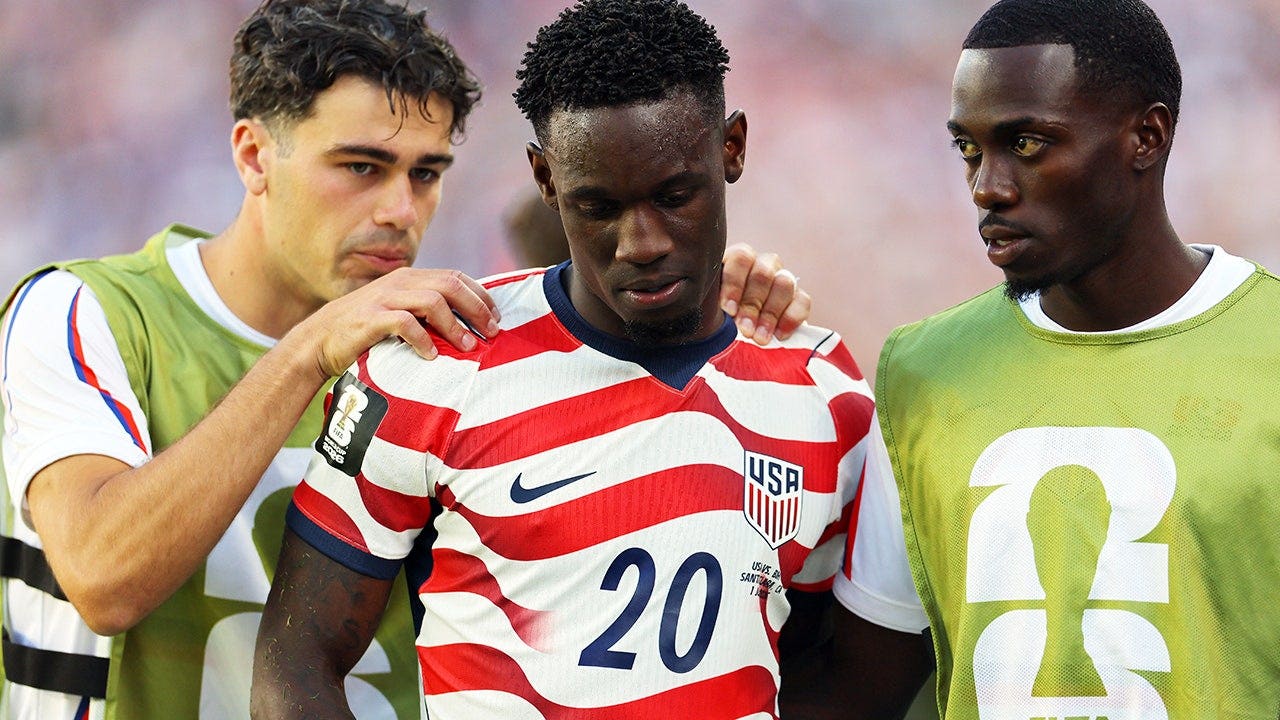
The Royal Belgian Football Association says it was astonished by the decision to suspend the red card ban on USA World Cup star Folarin Balogun, and that reaction has sparked fresh debate about consistency, discipline, and the rules that govern major tournaments.
Belgium’s governing body did not hide its surprise, and that blunt reaction has resonated across social media and in locker-room chatter. When a national association speaks out like that, it puts heat on the organizers to explain both the decision and the precedent it sets. Fans who want clear, even-handed enforcement are watching closely.
This situation goes beyond a single player or a single match because disciplinary rulings shape how teams approach big games. Coaches plan for the worst, knowing suspensions can alter lineups overnight and change strategies on the fly. When a ban is suspended, opponents and neutrals alike ask whether the rules were applied the same way for everyone.
For the United States, Balogun’s availability matters on the pitch and off it, where momentum and morale shift with every selection. Star players carry more than talent; they carry narratives that influence refereeing conversations and media angles. That puts governing bodies in a delicate spot when they reverse or pause sanctions.
Part of the outrage stems from transparency, or the lack of it, surrounding the decision to suspend the ban. Supporters of strict discipline want clear criteria for overturning or delaying punishments. Without a straightforward explanation, suspensions of suspensions start to look like exceptions granted based on profile rather than principle.
Discipline committees do sometimes act when new evidence emerges or when procedural errors are discovered, and that is a legitimate part of any sporting justice system. Still, those mechanisms depend on credibility and consistent application to hold weight. When credibility falters, teams and fans lose faith in the process and begin to question other rulings.
There’s also a competitive fairness angle that can’t be ignored: clubs and national teams build rosters and tactics around what they expect to be enforced. A sudden change in status for a player can shift a group from defensive caution to outright aggression, because the perceived balance of risk has changed. That creates ripple effects well beyond one incident.
Administrators now face a choice: explain the suspension thoroughly and calmly, or risk extending the controversy. Clear, timely communication would at least give stakeholders a framework to judge whether the decision follows established rules. Opacity, by contrast, breeds suspicion and invites louder reactions from media and rival associations.
At the same time, fans and pundits are split between procedural purity and empathy for the player involved. Some argue the appeal process exists to prevent miscarriages of justice, while others worry that high-profile cases get special treatment. Balancing those instincts is the tough part of running fair competitions.
No matter which side you land on, this episode highlights how discipline and perception are inseparable in modern football. The outcome of any review will matter not just for Balogun and his team but for how future disciplinary decisions are received. For now, the Royal Belgian Football Association’s astonishment has put the spotlight back on the rules, and the game’s stewards will be judged by how they respond.
