
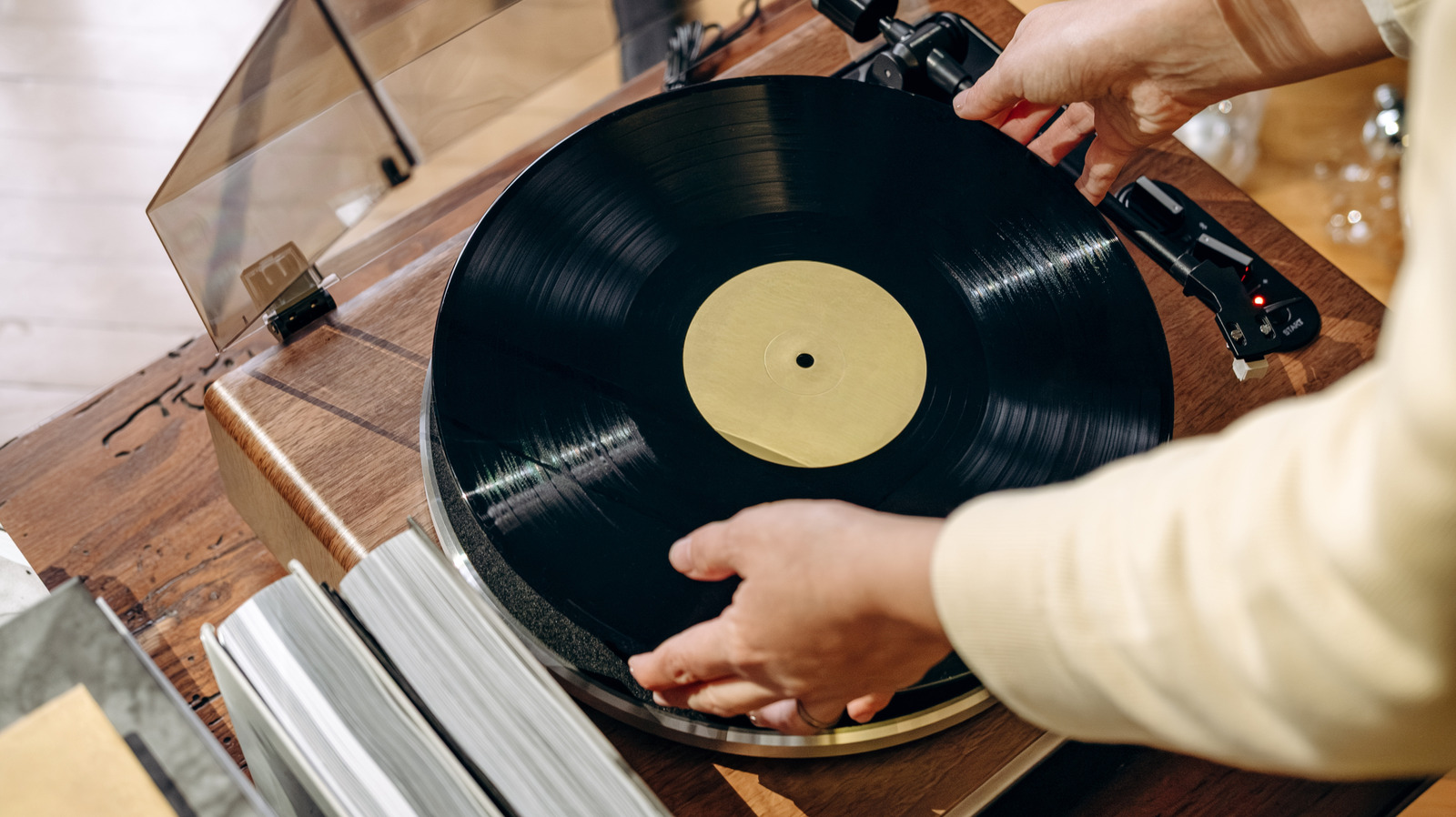
This piece takes a clear, friendly look at why audiophiles tend to prefer turntables over record players, digging into the mechanical, sonic, and practical differences that matter to serious listeners.
At the most basic level both devices play vinyl, but the parts that do the work are where they diverge. A turntable is built for upgradeability and precision, emphasizing the platter, tonearm, and cartridge as separate components. Record players are usually all-in-one units designed for convenience, not tinkering.
The platter and motor are where tonal character begins. In many turntables the platter is heavier and isolated from the motor by a belt or suspended chassis to reduce vibrations. Consumer-grade record players often use cheaper direct drive or poorly damped platters that transfer motor noise into the groove, and that noise becomes audible in quieter passages.
Tonearm geometry and cartridge choice play a huge role in tracking accuracy and tonal balance. Turntables give you the freedom to swap cartridges and fine-tune tracking force and anti-skate, which influences how faithfully the stylus reads the groove. Built-in record players typically come with fixed tonearms and cheap cartridges that are fine for casual listening but limit clarity and dynamics.
Next up is the phono stage, the little electronic brain that shapes a vinyl signal into something your amplifier can use. Audiophile turntables either come with high-quality external phono stages or no phono stage at all, encouraging users to match components. Record players tend to include basic onboard preamps that work but can compress dynamics and smear detail compared to a properly matched external unit.
Maintenance and serviceability are practical but often overlooked advantages of turntables. Replaceable cartridges, adjustable bearings, and readily sourced parts make it possible to keep a turntable performing at a high level for years. By contrast, a combo record player with glued or proprietary parts is easier to replace than to repair, which means performance can degrade or the unit becomes disposable.
>
The tactile experience matters as much as the technical side. Listening on a turntable requires small rituals: checking tracking force, cleaning records, aligning the cartridge, and sometimes swapping a stylus. Those rituals are part of why vinyl feels alive to many fans; record players are simpler, fine for background music, but they often strip away the hands-on care that can coax nuance from a pressing.
Cost is another axis where the differences show up. You can spend a little on an entry-level record player and get immediate gratification, but serious turntable setups range from modest upgrades to high-end investments. The key is that money spent on a turntable often buys modular improvements that accumulate and compound, while spending more on an all-in-one player gives diminishing returns in sound quality.
Ultimately, the reasons audiophiles prefer turntables come down to control, sound fidelity, and longevity. Turntables let listeners tailor the playback chain, isolate and reduce noise, and fine-tune cartridge and phono-stage matches. For someone who treats music as a craft, that control yields measurable improvements in detail, imaging, and tonal accuracy that a typical record player rarely matches.
If you care about squeezing nuance from vinyl, think of a turntable as a platform rather than a product: it is built to evolve. If you want quick setup and casual spins, a record player will do the job and keep things simple. Either way, the groove still contains the music; the choice is how much of it you want to reveal and how hands-on you want to be.
