
Traffic signals and signs have quietly shifted their uniforms over the last century, and that change tells a surprising story about visibility, safety, and how engineers and regulators learned to speak a single visual language to drivers. This piece traces why red dominates stops and yields now, why yellow once ruled some warning signs, and how a move toward consistency reshaped intersections across the country. Along the way you’ll see how design, material science, and simple human behavior nudged a practical change into everyday life.
Most drivers will nod at the obvious: red means stop and yellow means proceed with caution. Those simple words carry a lot of baggage, because color is a short-hand instruction that needs to be nearly instinctive when people are barreling down the road. Early traffic controls leaned on whatever colors and shapes felt intuitive, which produced a patchwork of warnings that worked unevenly in practice.
Before national standards settled in, cities experimented with different palettes and shapes to guide drivers. Yellow showed up often as a general caution color, used on signs and early signal experiments because it contrasts well against streets and sky. But local choices meant drivers traveling between towns sometimes encountered confusing, inconsistent messages at every intersection.
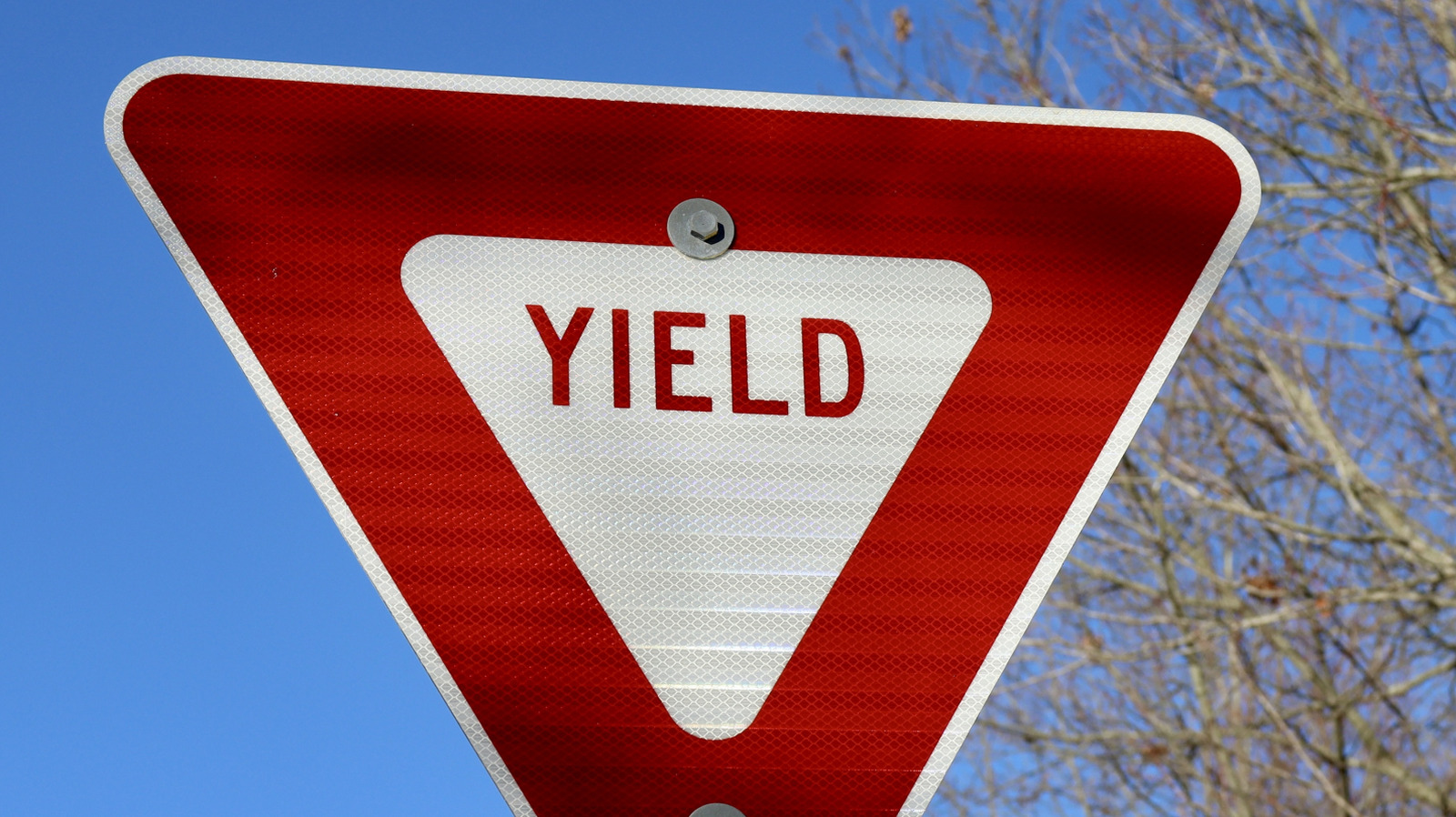
The yield sign is a great example of how that inconsistency played out. For decades, many yield signs were bright yellow triangles with black lettering, a clear visual cue that still lived in the same caution family as other warning signs. Over time regulators and researchers concluded that having yield signs look much more like stop signs would reduce hesitation and error at junctions, especially at night or in bad weather.
Technological changes also pushed design choices. Retroreflective materials and standardized paints made red an easier and more reliable color to detect from a distance after dark. As vehicle speeds rose and traffic volumes grew, the argument for a uniform visual vocabulary got stronger: fewer surprises, fewer split-second mistakes, cleaner expectations for drivers approaching an intersection.
Yellow signals themselves have an older pedigree tied directly to timing and transition. The amber interval between green and red exists to reduce sudden stops and to give drivers a predictable buffer zone for clearing intersections. That transition became codified into traffic engineering because allowing a controlled, visible warning reduced collisions and smoothed traffic flow across many different intersection types.
An important practical lesson emerged: consistency beats cleverness. When signs and signals follow the same rules everywhere, drivers build reflexes that require less conscious thought. Changing a yield sign from yellow to a red-bordered triangle wasn’t just cosmetic; it was a behavioral nudge to treat yielding more like stopping when the situation demanded it.
You still see remnants of the old schemes in some older neighborhoods or on preserved signs, and they have a certain nostalgic charm. But those relics also remind us why standards matter: what looks quaint in a small town can confuse someone passing through, and confusion at speed is how small errors become big crashes. Modern materials and color standards make safety a bit less dependent on luck.
For drivers, the takeaway is straightforward: treat signals and yields as designed, not optional suggestions. A yellow light calls for caution and judgement; a red-bordered yield sign calls for clear deference to the vehicle or pedestrian with the right of way. The visual language of our roads evolved so that split-second decisions have clearer backing from sign shape and color, which is exactly what you want when traffic gets busy.
Design changes in traffic control rarely make headlines, but they quietly reshape daily life for millions. The migration from yellow-heavy warnings to a red-focused standard reduced ambiguity and leaned on human perception science to make intersections safer. It’s an unflashy win for public design that keeps people moving and, more importantly, keeps them from getting hurt.
