
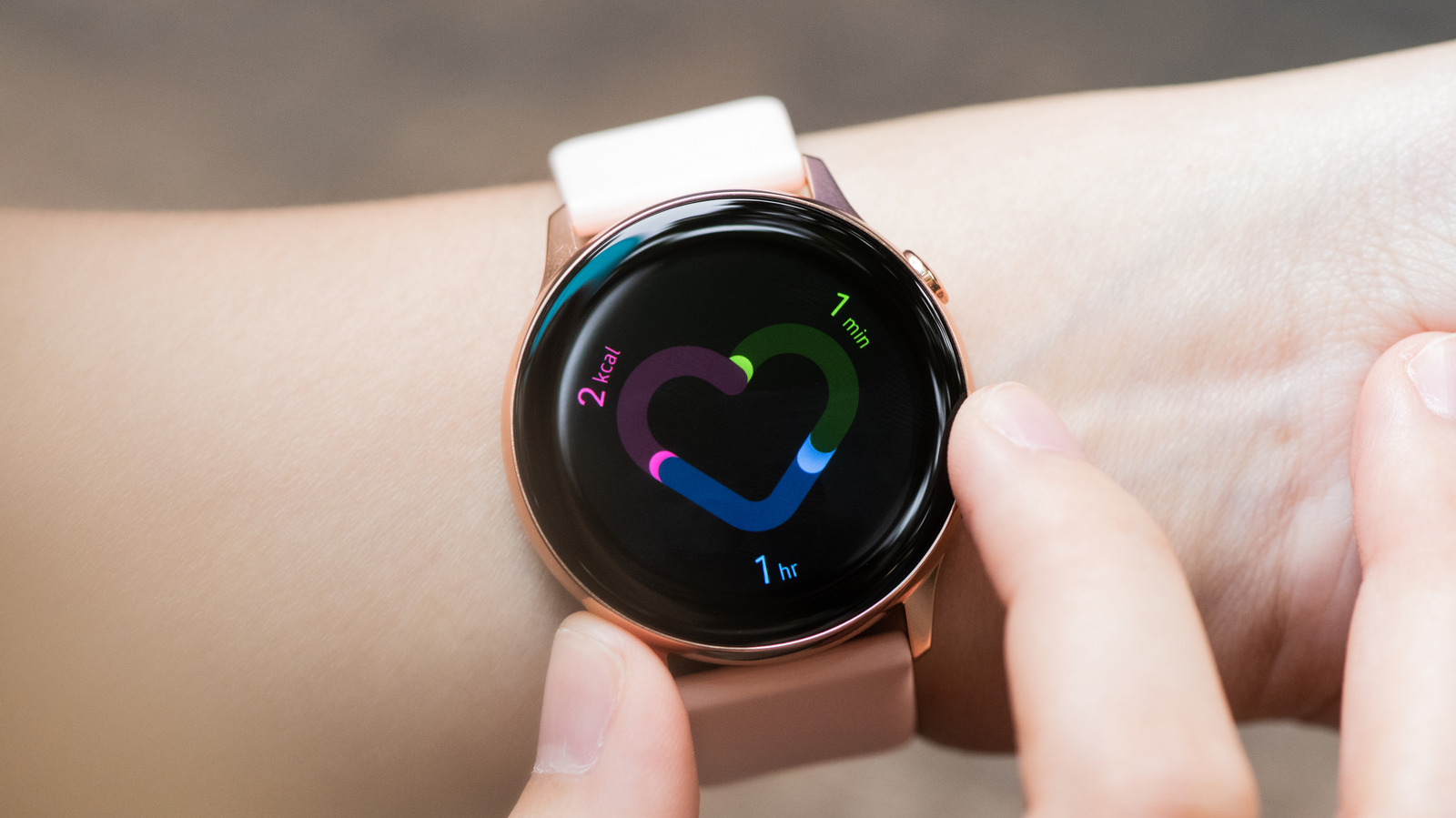
Samsung gave its Health app a full visual facelift, and the reaction has been loud and mixed. Some praise the slick look and clearer layout, while others complain about lost features and confusing menu changes. This article walks through how the redesign lands for everyday users and what feels like progress versus where friction remains.
The new interface leans hard into modern minimalism, with bigger tiles, cleaner fonts, and more white space. That makes data feel less crowded and easier to scan at a glance, especially on small screens. For users who want quick summaries of steps, sleep, and heart rate, the fresh look delivers immediate clarity.
But clarity cuts both ways. Several long-time users report that shortcuts and buried settings moved or vanished, turning familiar flows into puzzles. When muscle memory fails, simple tasks become irritating detours, and that friction shapes opinions faster than any polished animation can win them over. A design that prioritizes first impressions can lose loyalty if everyday convenience is sacrificed.
Navigation now emphasizes a dashboard approach, encouraging users to tap into widgets and cards rather than deep menus. That streamlines common actions for casual users but can frustrate power users who relied on a predictable hierarchy. Apps that try to please both camps often end up pleasing neither completely, and Samsung Health seems to be walking that tightrope.
Visual consistency is a clear win: color palettes, iconography, and typography feel unified across screens. That helps reduce cognitive load when switching between tracking modes or reviewing historical stats. Cohesive visuals also give the app a more premium feel, which matters when competing with other health ecosystems.
Meanwhile, functionality questions linger. Some tracking toggles feel less discoverable, and accessibility settings aren’t always front and center. For people who depend on precise tracking—athletes, chronic condition managers, or caregivers—small obstacles can have outsized consequences. Design changes need to preserve the reliability users expect from a health app.
Performance appears improved in many cases, with smoother transitions and snappier loading times on newer phones. That polish makes the app feel responsive and modern, which can affect perceived usefulness. Yet on older devices, a heavier visual skin can increase battery draw or lag, so not every user will enjoy the same experience.
Feedback tools and in-app guidance play a bigger role now, nudging users toward new features and explaining where items moved. That’s useful for onboarding, but it can also feel like a nag if prompts are too persistent. The balance between helpful hints and interruption matters, especially when health data is involved.
Customization options are present but feel more curated than granular. Users can arrange some tiles and prioritize certain metrics, but deep personalization has taken a back seat. For people who want bespoke dashboards or advanced shortcuts, this may be a step back from earlier versions.
Privacy and data control remain essential conversations, even if they’re not the most visible parts of a redesign. Samsung has continued to emphasize local data handling and permission prompts, but any UI shift that changes how permissions are requested should be watched closely. Users need clear, consistent control over their health information.
Community reaction shows a split: some celebrate the cleaner look and streamlined flows, while others post detailed lists of annoyances and missing conveniences. That kind of polarized response is common when a familiar tool gets a big makeover, and the company’s next moves will probably determine whether the praise or the complaints stick.
Ultimately, the redesign is a trade-off between modern aesthetics and functional muscle memory. The app looks and feels fresh, but change always costs something in the short term. If Samsung keeps iterating based on real user behavior and restores key conveniences, this could be the foundation for a stronger Health app over time.
