
This roundup jumps from old-school American manufacturing to neighborhood heroics and national tech strategy, tracing how artificial intelligence and policy decisions are reshaping jobs, industry, healthcare and even the price of gadgets.
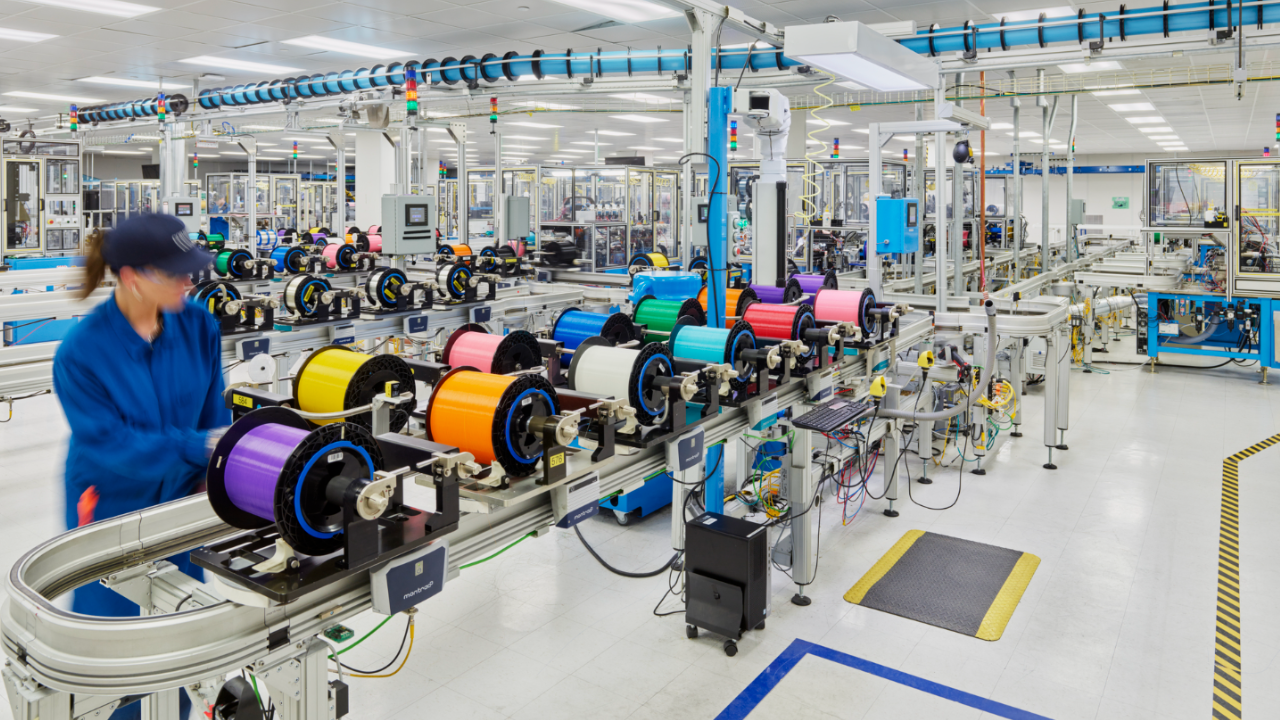
Corning’s long history reminds us that American industry can adapt. The company, founded long before cars and planes were household names, now says AI is creating roles on the factory floor and in research labs rather than erasing jobs wholesale. That fits a broader truth: smart firms use technology to amplify skilled workers, not to sideline them.
A tiny domestic drama shows AI’s softer side. When a family’s kitten went missing, digital tools helped pinpoint where she’d tucked herself away and led to a happy return. It’s an oddly human reminder that technology can patch the small tears in everyday life as well as the big ones in the economy.
On the geopolitical and industrial front, President Trump highlighted an expansion of chip production tied to Taiwan that could boost U.S. market share. From a conservative perspective, that kind of private investment and production on American soil is exactly what we want to see—more supply chains here, more skilled jobs, and less reliance on distant adversaries. If policy keeps favoring production and competitive tax and trade stances, the U.S. can reclaim critical industrial ground.
Regulation and national security are part of the AI conversation too. The administration lifted export limits on some advanced models after security reviews, a decision that balances innovation with oversight. Getting that mix right matters: overbearing controls can drive talent and capital offshore while too-lax rules risk unwanted consequences.
Not every AI deployment has been smooth. One major automaker recently rehired experienced engineers after automated tools missed production quality problems. That move underlines a simple idea: human expertise still catches what algorithms miss, and hybrid teams are often the best way forward in manufacturing and beyond.
Medical research is another frontier where AI is proving useful. New studies trained models to scan routine ECGs for signals linked to sudden cardiac death, surfacing risks doctors might have missed. When tech helps clinicians find hidden danger earlier, patients win, but careful testing and sensible regulation remain essential to avoid false alarms and lost trust.
There’s a broader debate about whether AI will tank the job market or spark an economic leap. A recent report argued the latter, suggesting AI could drive one of the largest productivity surges in modern American history if Washington resists knee-jerk regulation. Nobel laureate Robert Shiller has cautioned that persistent doomsday rhetoric could become self-fulfilling, which is a useful reminder that narrative shapes policy and markets just as much as code does.
Even consumer tech is feeling the impact: higher costs for hardware partly tied to pricey AI chips are starting to show up on store tags. Companies are rolling those costs into iPads, laptops and smart speakers, and shoppers may see more price movement as AI becomes standard in more devices. That reality will push buyers, makers and policymakers to decide what value they expect from smarter gadgets.
Across factories, hospitals, homes and supply chains, the practical test for AI will be whether it enhances American prosperity without sacrificing safety or sovereignty. The debate is heating up in boardrooms and on Capitol Hill, and the next moves by industry and regulators will determine whether this technology becomes a tool for growth or a self-imposed brake on progress.
