
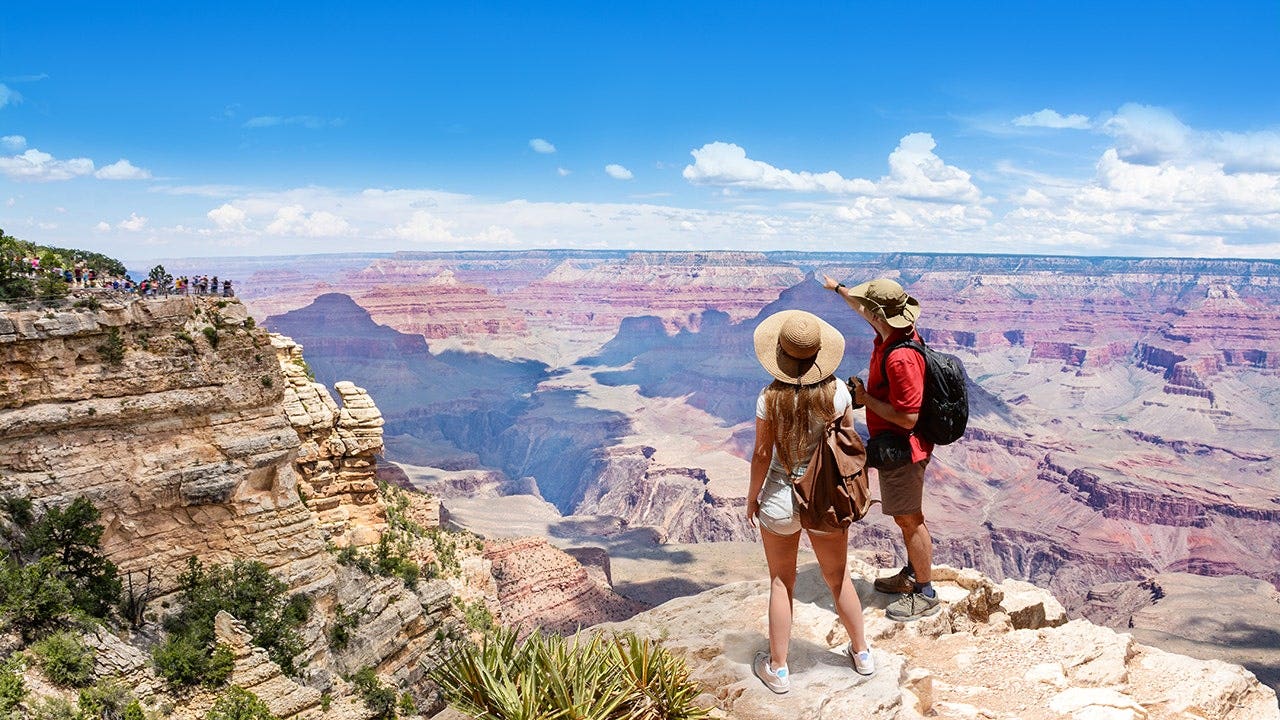
National parks do more than look good on a postcard; they are active public health assets that push people to move, calm minds, and keep communities connected while preserving history for future generations.
Getting outside is the simplest prescription a person can follow, and national parks hand it to you on a trailhead. Regular movement like walking, hiking or biking in wide open spaces delivers measurable benefits: improved cardiovascular health, better sleep, and a lower risk of chronic disease. Those outcomes matter at population scale when parks are accessible and inviting.
Public health guidance highlights physical activity as a cornerstone of disease prevention, and outdoor recreation naturally fits that recommendation. Trails and greenways remove friction from exercise by combining transit with fresh air and scenery, nudging people to cover distance without feeling like a chore. When communities invest in safe, well-maintained outdoor infrastructure, participation rises and so do the health returns.
HIKERS FACE URGENT GRAND CANYON HEAT WARNING AFTER TEEN’S DEATH ON POPULAR TRAIL appears as a blunt reminder that nature is powerful and sometimes unforgiving. Heat and weather risks deserve respect, but they do not erase the clear benefits of outdoor time when people prepare and follow safety guidance. Parks shine when visitors balance adventure with common sense.
Mental health gains from nature are more than just vibes; they show up in labs and surveys. Time spent in natural settings reduces physiological stress markers, lowers resting heart rate, and decreases levels of stress hormones like cortisol. Those shifts help people think more clearly and handle daily pressures with less wear and tear on the body.
Attention and cognition also get a boost from natural environments, where reduced sensory overload allows the brain to recover from modern multitasking. Quiet trails and open views restore focus and fight mental fatigue, making learning and productivity easier afterward. Parks double as informal classrooms where curiosity about geology, wildlife, and history turns a hike into lifelong learning.
AMERICA’S LIFESPAN HAS DOUBLED SINCE 1776 — EXPERTS REVEAL WHAT CHANGED sits as a striking headline that links past progress with present opportunities to keep improving public health. Preserving natural and cultural sites feeds education and memory, which are important for cognitive resilience as people age. Engaging with parks through programs and interpretive experiences supports brain health and community ties.
Beyond individual benefits, parks are social spaces where people meet, volunteer, and practice mindfulness together, reducing isolation and strengthening civic bonds. Group hikes, ranger-led talks, and family outings turn green spaces into hubs of connection that improve wellbeing across communities. Those interactions matter for towns and cities that lean on parks as part of their public health infrastructure.
The National Park Service began with a conservation mandate, and that mission has quietly expanded into a public health role without sacrificing the core purpose of protecting natural and historic resources. Today, parks are valued not just for scenery but also for the ways they promote active lifestyles, mental recovery, and educational opportunities. With thoughtful access and responsible stewardship, these lands remain one of the most practical, low-cost tools we have to support healthier, more engaged communities.
