
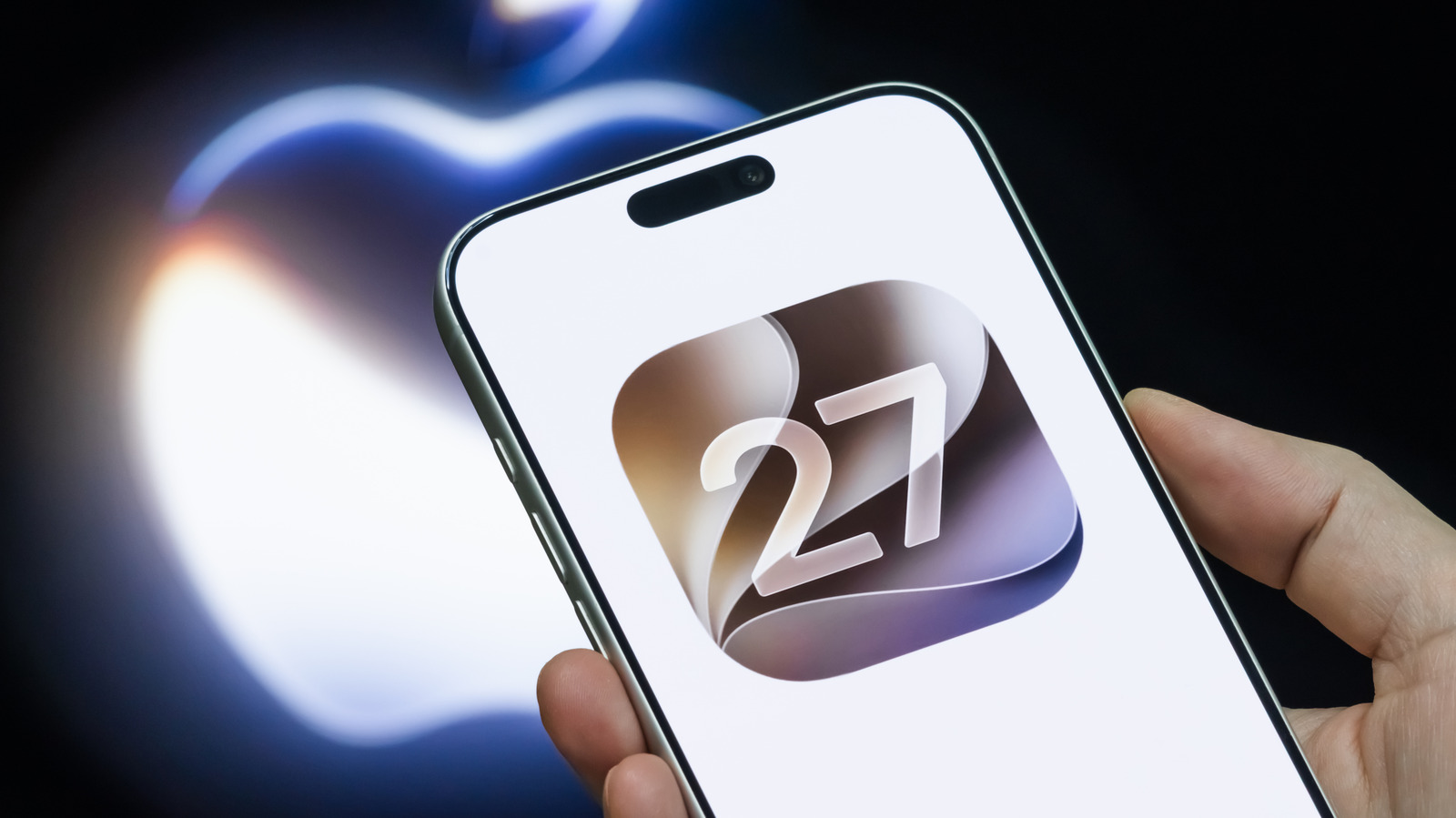
Apple set out to make Siri noticeably smarter in 2024, and the newest beta shows substantial changes under the hood. This piece walks through what those changes feel like, how the updated assistant behaves in real tasks, where it still struggles, and what this means for everyday users and developers. You will read specific examples from hands-on testing and get a clear sense of whether Siri has actually closed the gap on competitors. No fluff, just observed behavior and practical takeaways.
At first glance the new Siri feels less brittle. Prompts that used to return canned, short replies now get more context-aware answers that try to follow multi-step instructions. It is quicker to pick up follow-ups and maintain the thread of a conversation without forcing you to repeat the subject. That makes casual use feel less like issuing remote commands and more like talking to a helpful assistant.
Apple’s work under the hood is obvious in how Siri handles ambiguity. When asked to “compare my recent flights” it probes for which dates or pulls recent trip data when permissions are available. The assistant also integrates local device data with cloud knowledge in a way that reduces one-off errors. Despite the improvements, complex reasoning or heavyweight planning still trips it up, especially if the task requires cross-checking obscure facts.
Response quality varies by request type. For everyday tasks like setting timers, composing short messages, or pulling calendar events, the beta is fast and accurate. For creative or research-oriented prompts, the answers are more robust than before but sometimes padded with plausible-sounding guesses. Those guesses underline a broader challenge: better language modeling can boost fluency while also increasing the risk of confident-sounding mistakes.
Privacy-focused features remain central to the experience. Apple continues to emphasize on-device processing for sensitive data when possible, and that shows in the beta’s behavior. Local handling reduces the number of round trips to cloud services, which is good for speed and data protection. At the same time, cloud assistance is still used for heavier lifting, which helps explain why some high-complexity queries are noticeably slower or routed through online models.
Developers should note the changing landscape for Siri integrations. Shortcuts and app intents are getting more flexible signals, and the assistant seems better at invoking app-specific actions without rigid phrasing. That opens up smoother voice-driven workflows for apps that adopt the updated APIs. However, the platform still expects developers to provide clear, structured affordances to avoid unexpected behavior when Siri fills in gaps.
Testing the beta across devices reveals performance differences. Newer hardware handles the heavier local models with less lag, while older phones defer more to cloud processing and therefore sometimes respond more slowly. Battery impact is present but not dramatic in casual use; prolonged heavy prompts and multi-stage conversations do increase power draw. Users with older hardware should temper expectations and try the new features before relying on them daily.
There are rough edges. Siri still stumbles on highly technical or domain-specific jargon, and it can struggle with nested instructions that require deep planning. When it errs, the mistakes are often coherent and persuasive, so users should double-check anything critical. The user interface helps by surfacing suggested follow-ups and clarifying questions, which nudges the interaction back on track when confusion starts to build.
For most people the beta represents a clear step forward: more contextual replies, better follow-up handling, and a stronger balance of local privacy and cloud power. Power users and developers get new hooks to build smarter voice experiences, while everyday users will notice fewer friction points in routine tasks. Try a few real-world scenarios you care about and see whether the changes actually reduce friction in your daily routine.
