
The Supreme Court’s 5-4 ruling that birth on U.S. soil confers citizenship landed today and it matters beyond legal theory — it touches identity, migration policy, and political will. Using Folarin Balogun as a real-world example, the decision highlights the clash between textualist history and a public that never had a full national debate. The majority opinion, joined by unexpected votes, keeps long-standing precedent in place while leaving reformers with the only clear path: politics and possibly a constitutional amendment. The result forces a blunt national question — who should count as an American at birth?
Folarin Balogun is being celebrated for making the U.S. World Cup roster, and that spotlight makes the legal ruling feel personal. He was born in the United States to Nigerian parents who were visiting, then raised in England, and his case is exactly the kind of birth the decision protects. For many conservatives, that outcome feels like an odd technicality turned into a broad passport to citizenship without a national conversation.
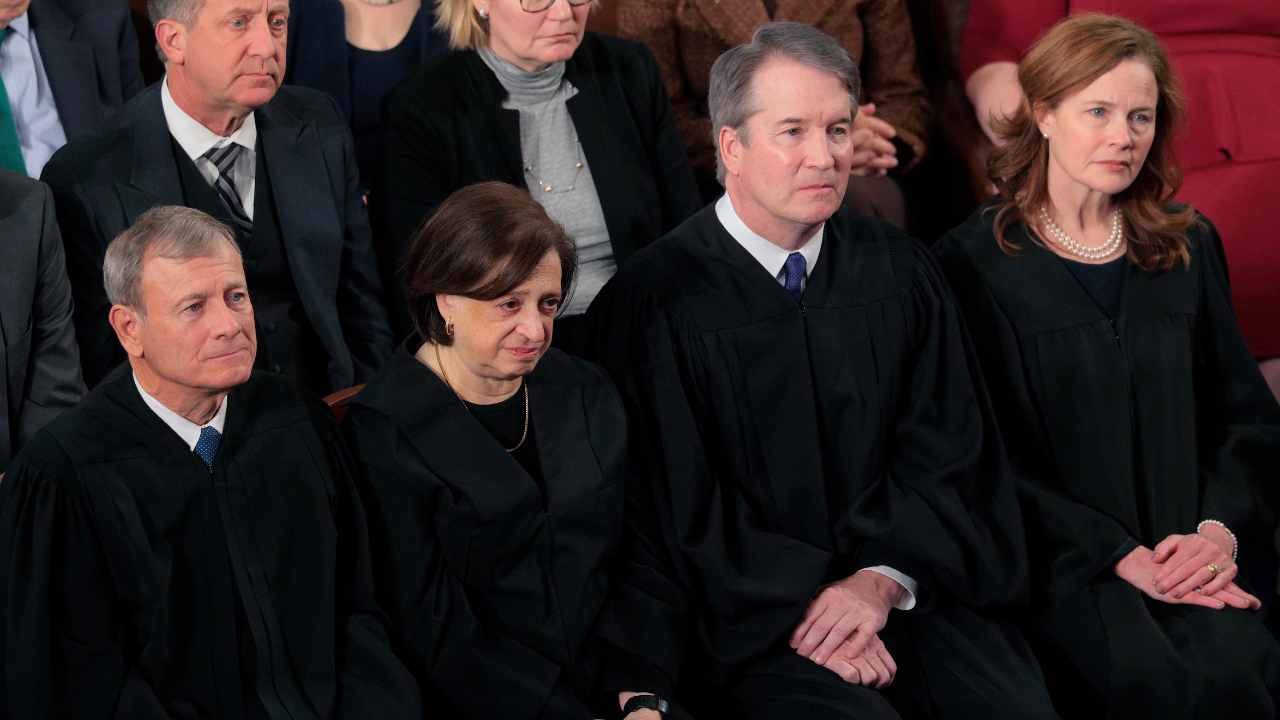
The court split 5-4, producing a narrow victory for the status quo. Chief Justice John Roberts wrote for the majority that “The Framers of the Fourteenth Amendment extended that promise to ‘every free-born person in this land.’ We keep that promise today.” Roberts’ reasoning leaned on long-standing precedent and historical interpretation, and Justice Amy Coney Barrett joined him with the three liberal justices to form the winning coalition.
The majority concluded that mere birth in the country, even to travelers or short-term visitors, meets the constitutional test. That interpretation relies heavily on prior rulings stretching back decades, and it treats the amendment’s language as straightforward. For many Republicans, the decision feels like judicial lock-in of a policy that should be debated and decided by the people or their elected representatives.
Globally, birthright citizenship is the exception, not the rule — many nations never adopted it or rescinded it after recognizing the perverse incentives it creates. Calling the practice bonkers is blunt, but accurate in the sense that most countries view automatic citizenship by birthplace with skepticism. The United States remains one of the outliers, and that reality fuels the argument that immigration and citizenship policy should be shaped democratically rather than frozen by the courts.
If conservatives want real change, the path runs through politics: Congress, state action where possible, and ultimately the amendment route if the public demands it. Congress can tighten rules around birth tourism and adjust immigration enforcement to reduce incentives for short-term visitors seeking birthright outcomes. But statutory fixes will bump into the constitutional ruling unless the Constitution itself is altered or the court retreats in a future case.
There is no substitute for a national conversation that treats citizenship as a serious definition of membership, not a byproduct of travel plans. Celebrating an American player is one thing; deciding who becomes American at birth is another. This moment — our 250th anniversary and a sharply divided court — is a chance to be deliberate and honest about what we expect citizenship to mean going forward.
