
The new film at the center of a cultural clash has exploded online, dividing critics and audiences and touching off debates about art, migration, and free speech. What started as a censored title abroad and a torrent of negative reviews has become a streaming hit after an influential platform owner made it widely available.
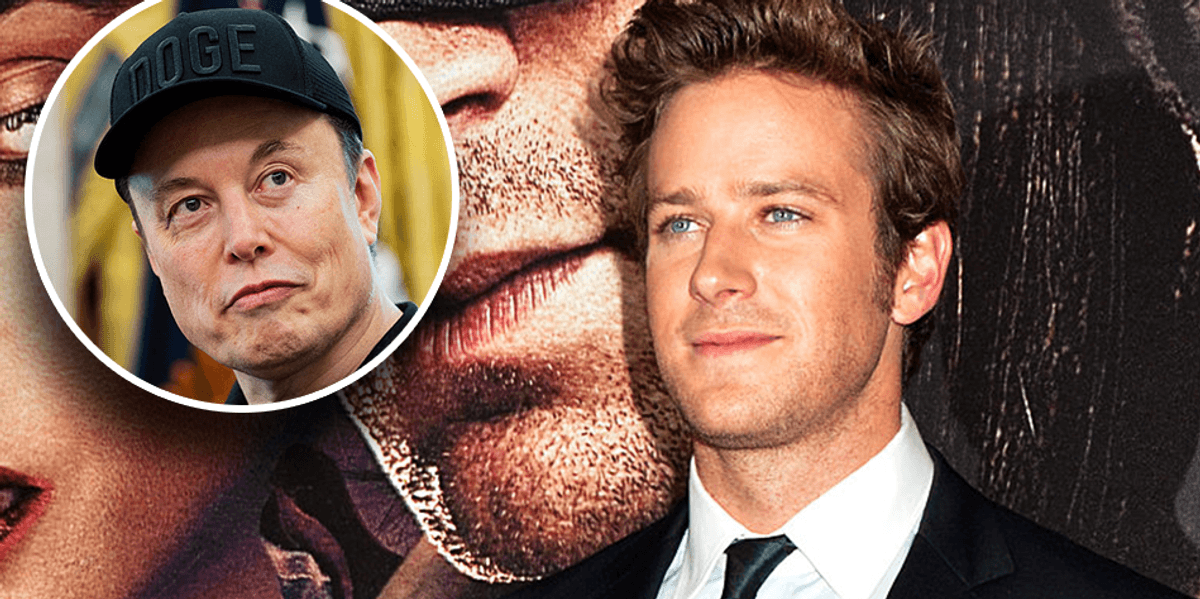
Citizen Vigilante stars Armie Hammer as a man who snaps when institutions fail to protect ordinary citizens, and the movie doesn’t shy away from raw, uncomfortable scenes. It frames the fallout from migrant crime in stark terms, and that choice is exactly what has inflamed both supporters and opponents. Expect blunt storytelling and a director who prefers provocation over polish.
Some reviewers have labeled the film “‘Racist, xenophobic, ethnocentrist.'” That line has been splashed across headlines, but audiences are voting differently: fan ratings have surged into the high 90s on popular review platforms. The gap between reviewer rage and viewer appetite is obvious and growing.
Social media buzz pushed the movie up streaming charts, where it climbed to the top of rental and buy lists and even landed a near-top spot on other platforms. The momentum feels grassroots and amplified at the same time, a blend of genuine interest and intentional promotion. That combination turned a contested picture into a commercial winner almost overnight.
The film’s jump in visibility came after X owner Elon Musk made it available for free download on his platform with director Uwe Boll’s permission , and Musk later shared view counts that suggested millions watched it . Boll then took to social media to write, “Dear Elon thank you. Donald Trump needs to see the film.” That exchange sent headlines spinning and drew even more eyes to a movie many outlets had tried to bury.
Part of the controversy is literal: authorities in Germany banned the film for allegedly inciting violence against migrants, a move the director called “deliberate censorship” that was “on purpose.” That ban only fed the narrative among supporters that the film was being suppressed for confronting sensitive realities. The censorship claim became fuel for people already skeptical of gatekeepers.
Boll has defended the project fiercely, telling critics that the movie “shows an inconvenient truth what all other movies out there don’t want to show or try to sugarcoat in their productions.” He has also said, “The audience wants real films again — bold and with impact and about reality.” Those words squarely frame the film as a deliberate counter to softened mainstream storytelling.
Distribution followed the controversy: a company picked up the title for a worldwide push but excluded a handful of territories where the backlash was strongest, including U.K. and German-speaking areas. That split release mirrors the cultural split — where some markets embrace the film, others reject it outright. The patchwork rollout keeps the conversation alive as it moves from platform to platform.
Critics remained scathing, with some calling the movie “brain dead” and others saying the director was “deliberately sabotaging his star.” Reviews accused the picture of “magnifying its xenophobia through the beacon of far-right agitprop,” and one critic labeled it “a discriminatory parable.” The Guardian and other outlets have used the label “anti-migrant” to sum up their take, and those descriptors have shaped the mainstream narrative around the film.
Reviewers repeatedly used the term “agitprop” to describe the movie, a word that originally meant pro-communist propaganda in Soviet use and is now being applied to what many see as highly charged political filmmaking. That reuse of a historic term underlines how debates about propaganda and persuasion have come full circle in modern culture fights. The argument over intent and impact shows no sign of slowing.
Whatever you make of the movie itself, the larger picture is about who decides what stories get told and who gets to see them. For many viewers, the film’s popularity is proof there’s a market for unvarnished narratives that challenge prevailing orthodoxies, and for many critics the film is proof that some stories need careful scrutiny. Either way, Citizen Vigilante has forced a wide audience to choose a side and keep talking about it.
