
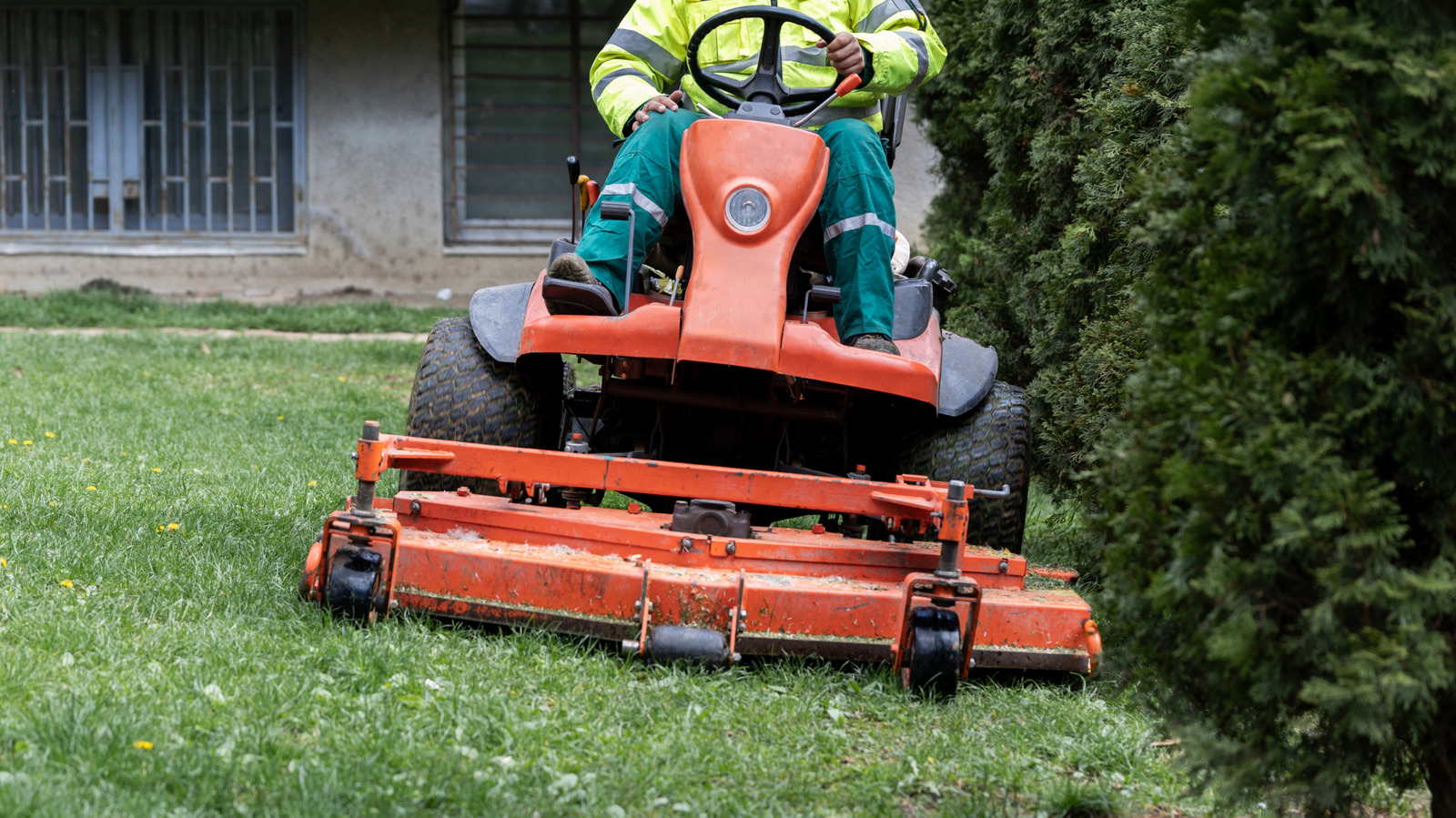
If your lawn looks like someone dragged a plow across it after every mow, this piece cuts straight to the likely mechanical culprit, how it happens, and practical ways to stop it. You’ll get clear signs to watch for, the usual parts that fail, and steps you can take today to prevent fresh trenches tomorrow. No fluff—just the common-sense fixes and preventive moves that actually work.
Those deep, straight grooves aren’t just ugly—they’re a symptom. When a mower leaves trenches, the machine is unloading weight irregularly or dragging instead of rolling, and that behavior usually comes from worn or misaligned drivetrain components or improper tire pressure. Fixing the visible damage without dealing with the root cause is a bandaid that guarantees a repeat performance next time you cut the grass.
One of the most frequent offenders is tire pressure and tread condition. Underinflated tires sink and carry more load in the center of the wheel, especially on soft or damp ground, so the mower tracks dig in instead of gliding. Check pressures with an accurate gauge and set them to the manufacturer’s recommendation, and replace tires that are cracked, bald, or rounded instead of flat across the tread.
Wheel bearings and bushings are small parts that make a big difference. When bearings bind, rust up, or wear out, a wheel can resist turning and drag, carving a line through your yard as the rest of the machine keeps moving. Regular greasing and replacing bearings at the first sign of roughness or play will save you from deeper repairs and a scarred lawn.
Bent axles and damaged hubs produce similar trenches and are often overlooked because the mower still runs. A bent axle changes how the wheel meets the ground and shifts weight onto an edge, which cuts a groove over repeated passes. If you notice uneven tire wear, wobbling wheels, or consistent trenching on one side, inspect the axle and hub assembly and straighten or replace parts as needed.
Transaxle and transmission problems can also show up as lawn trenches when one wheel stops turning smoothly. A dragging brake, failing clutch, or stuck transaxle gear will pin a wheel and dig in while the other side pulls the mower forward. Addressing these issues early—adjusting brakes, checking linkages, and servicing the transaxle—prevents damage to both the drivetrain and your yard.
Your mowing habits matter as much as mechanical fixes. Cutting wet grass increases sinkage and increases the chance that a slightly faulty component will create a trench, so wait for drier conditions when possible. Also alter your mowing pattern week to week to avoid running the same exact wheel lines repeatedly; changing direction spreads wear across the lawn and reduces rut formation.
Repairing the soil and hiding past trenches requires patience and the right approach. Fill grooves with a mix of topsoil and sand that matches your yard’s composition, tamp lightly, and seed or lay sod to encourage quick recovery. After repairs, monitor the suspected mechanical causes during the next few mows so you don’t watch fresh trenches form on top of your repair work.
Maintenance beats emergency repairs and ugly patches every time—clean the mower after use, keep tires properly inflated, grease bearings, and check for play in wheels and axles on a schedule. If you’re not comfortable diagnosing drivetrain or transaxle problems yourself, a quick visit to a small-engine mechanic or mower shop is cheaper than replacing large patches of lawn. A few minutes of routine care and a couple of simple fixes will keep your lawn smooth and your mower running true.
