
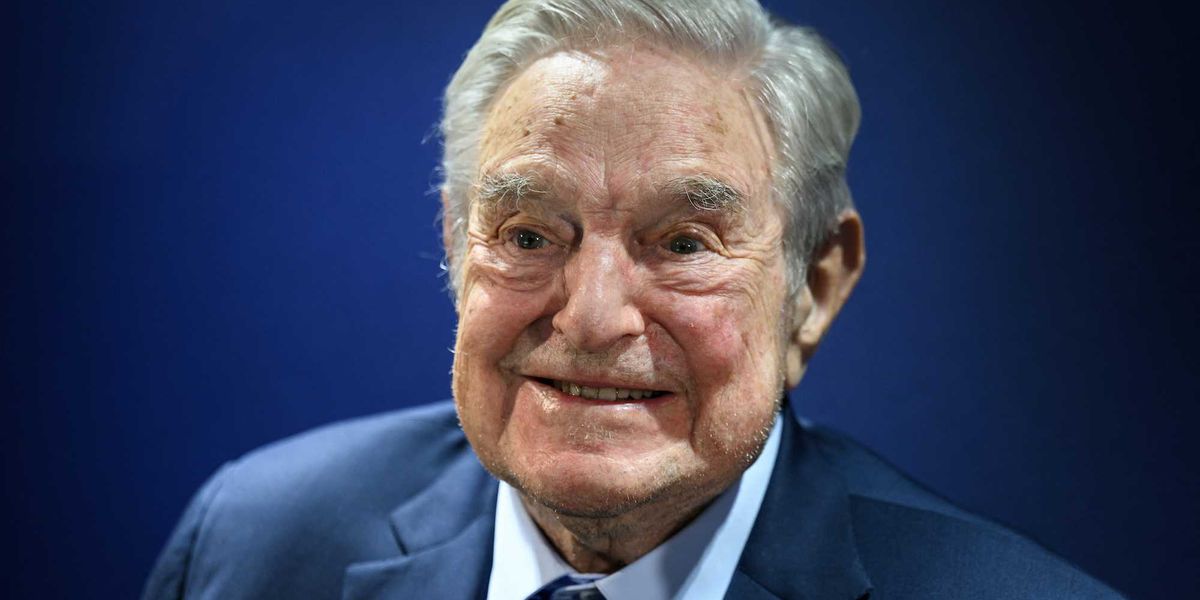
George Soros is pouring huge sums into this midterm cycle again, moving money through his Democracy PAC and shifting influence to his son, while critics warn the spending aims to reshape American politics. This piece looks at the scale of the donations, the family’s changing role, the right’s response, and the stir among Democrats pushing back against the party’s left flank.
Reports show Soros-backed operations have already approached nine figures in this midterm cycle, a level that rekindles old fears about big-money political influence. The 95-year-old donor has kept most of his giving out of his own name and funneled it through organizations like the Democracy Political Action Committee he launched in 2020. That structure makes it harder for everyday voters to see exactly how decisions are being funded and which candidates are most beholden.
Critics on the right point out that these mega-donations aren’t just about supporting candidates, they shape agendas. “Money talks, and Soros money says the most insidious, unconstitutional, costly tax hikes in American history are on the table,” said Douglas Kellogg of Americans for Tax Reform, capturing the worry that a small set of donors can push policies without broad public consent. That kind of concentrated influence fuels the argument for greater transparency and limits on political spending.
Inside conservative circles Soros has become shorthand for a global activist money machine that pushes progressive causes deep into local and national offices. Some conservatives cast him as a symbol of elite power, a “wannabe Bond villain” accused of tilting the Democratic Party toward radical positions. The rhetoric is blunt because the stakes feel concrete: control of courts, law enforcement priorities, and economic rules that affect taxes and small businesses.
There’s also a generational handoff underway, and it matters. Capital Research Center researcher Parker Thayer says the elder Soros is transferring political clout to his son, Alexander, and that younger Soros is taking a more hands-on role. “He wants to be more political than his dad. This is the first midterm cycle where he is in control,” Thayer said, pointing to fundraising shifts and new strategic bets. “George is not in control; he hasn’t been in control in some time,” he added, signaling that this influence could be long-lived and reorganized under a new face.
The family has been visible in supporting controversial races and candidates that align with its priorities, and that visibility spurs a strong counter-reaction. Lawmakers on both sides of the aisle bristle at external money steering local prosecutor races, judicial contests, and legislative fights. ‘The Soros family is angrier than ever at American politics. … They would prefer to remake America into something entirely different.’ That blunt assessment from critics captures why the money draws such heat from those who want to defend traditional institutions and local control.
At the same time, some Democrats are trying to distance themselves from the more extreme edges of the party that heavy outside funding seems to empower. While Trump has mocked the Democrats for not fighting the communist takeover of the party, a group of Democratic lawmakers has begun to organize a pushback against extremist ideologies. “We’re for capitalism, not socialism. We’re for safety, not lawlessness,” Democratic Rep. Tom Suozzi of New York said about the effort. “We’re proud of America, not ashamed of America — and we need to be promoting those things.”
This cycle will be a test of whether voters push back against outside cash or accept it as the new normal. For Republicans the fight is framed simply: protect democratic institutions from being swayed by a tiny number of wealthy donors and insist on policies that reflect the majority’s will. The coming months will show whether transparency measures, public attention, and grassroots mobilization can blunt the outsized influence of big money and restore balance to the political playing field.
