
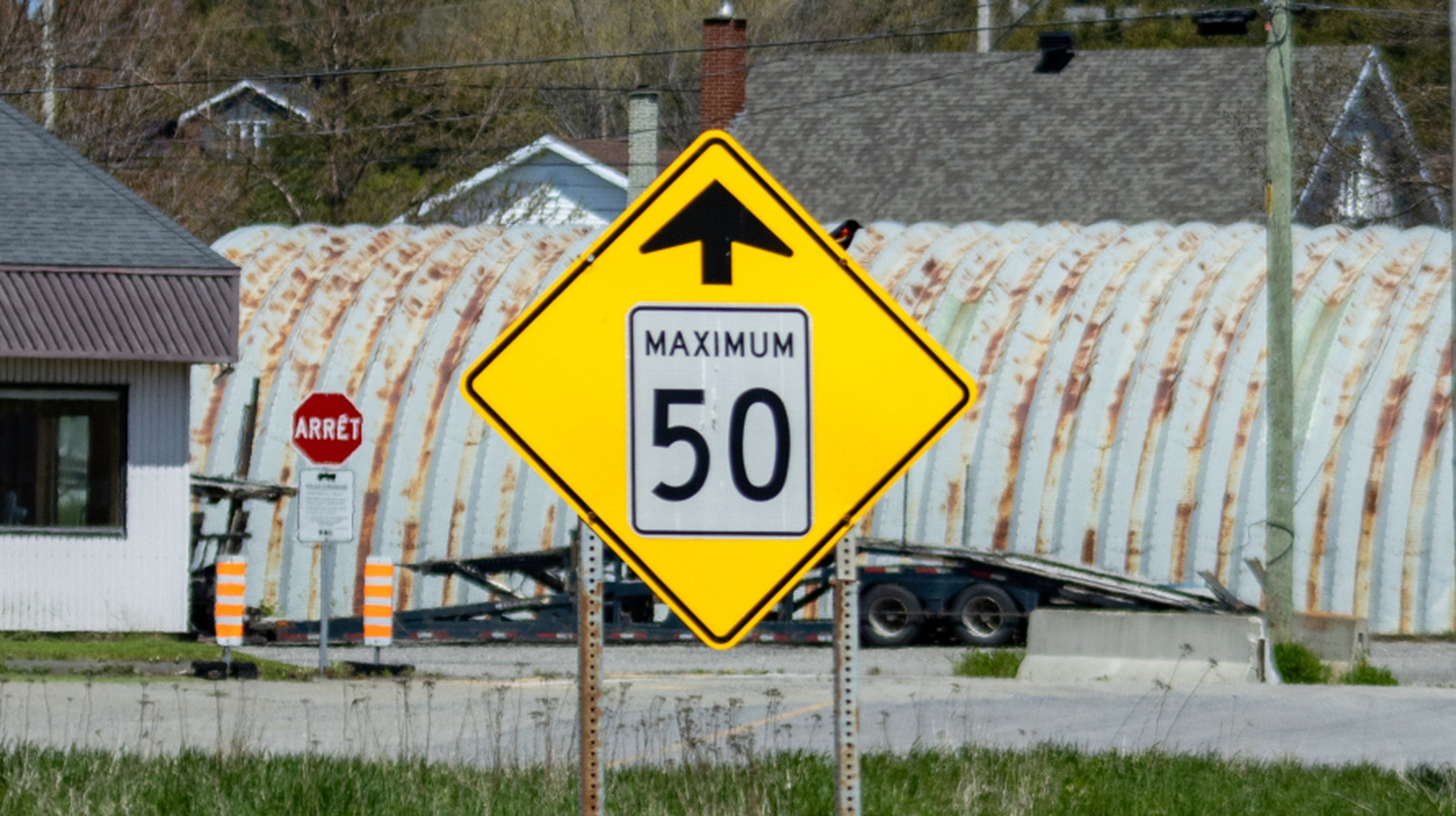
This piece explains what a speed limit sign with an arrow means, why it matters for drivers, and how to respond when you see one on the road. It covers practical interpretations, common variations, enforcement implications, and sensible driving habits to keep you safe and legal. Read on for clear, no-nonsense guidance you can use the next time a limit sign points the way.
When you spot a speed limit sign with an arrow, the sign is giving direction about where that limit applies, not issuing a suggestion. The arrow usually points to the lane, direction of travel, or the beginning or end of the regulated zone, so taking it at face value keeps you on safe ground. Think of the arrow as a short instruction: it modifies the meaning of the number it sits beside.
One common setup is a speed limit number with a downward arrow directly below it, and that means the restriction applies from that point forward for the roadway or lane indicated. If the arrow points to the left or right, it often refers to the lane or the continuation of the road in that direction, which matters at intersections or split carriageways. Drivers sometimes misread these and either ignore the change or assume it applies to all nearby lanes, but precise reading prevents mistakes.
Another variation is a speed sign paired with an arrow that signals the end of the posted limit, sometimes with a diagonal line through the number or a specific end-of-restriction marker. That tells you the controlled zone has finished and the default speed law or the next posted limit takes over. Depending on local law, failing to notice the transition can lead to unintentional violations or unsafe speed choices in changing road conditions.
Enforcement-wise, police and traffic cameras treat arrowed signs as official instructions, so obeying them matters beyond courtesy. A patrol officer is likely to consider the arrow’s direction when evaluating whether a driver was aware of and subject to the posted limit. In contested citations, clear signage including directional arrows can be pivotal evidence about what speed was lawful at a specific location and time.
Practically, when you approach a sign with an arrow, slow or adjust speed proactively rather than waiting until you are past it; assume the sign matters now. Scan for lane markings, signs that parallel the arrow, and any posted exceptions like school hours or temporary work zones. If visibility is poor or signage is obscured, err on the side of caution and reduce speed until you can confirm the applicable limit.
Road designers use arrows to reduce confusion at complex junctions, on ramps, and where lanes split or merge, but drivers still need to interpret them correctly. In multi-lane situations, an arrow can mean the new limit applies only to a particular lane, such as a left-turn-only lane or a high-occupancy vehicle lane. Treat arrows as part of the traffic control language; reading them along with lane arrows, signals, and pavement markings is good habit.
For anyone renting a car or driving in an unfamiliar area, remember that arrowed speed signs can differ by jurisdiction, but the intent is consistent: direct the regulation to a place or lane. When in doubt, slow down and watch other traffic and enforcement patterns to get a real-time sense of what drivers around you are doing. Staying alert to arrows and context is a small step that reduces risk and avoids fines.
Finally, make reading traffic signs a tiny daily habit: spot the limit, note any arrows, and act immediately. That habit keeps rides smoother, safer, and less stressful because you won’t be unsure about which speed applies where. Drive like you mean it, pay attention to the arrows, and you’ll handle these signs without fuss.
