
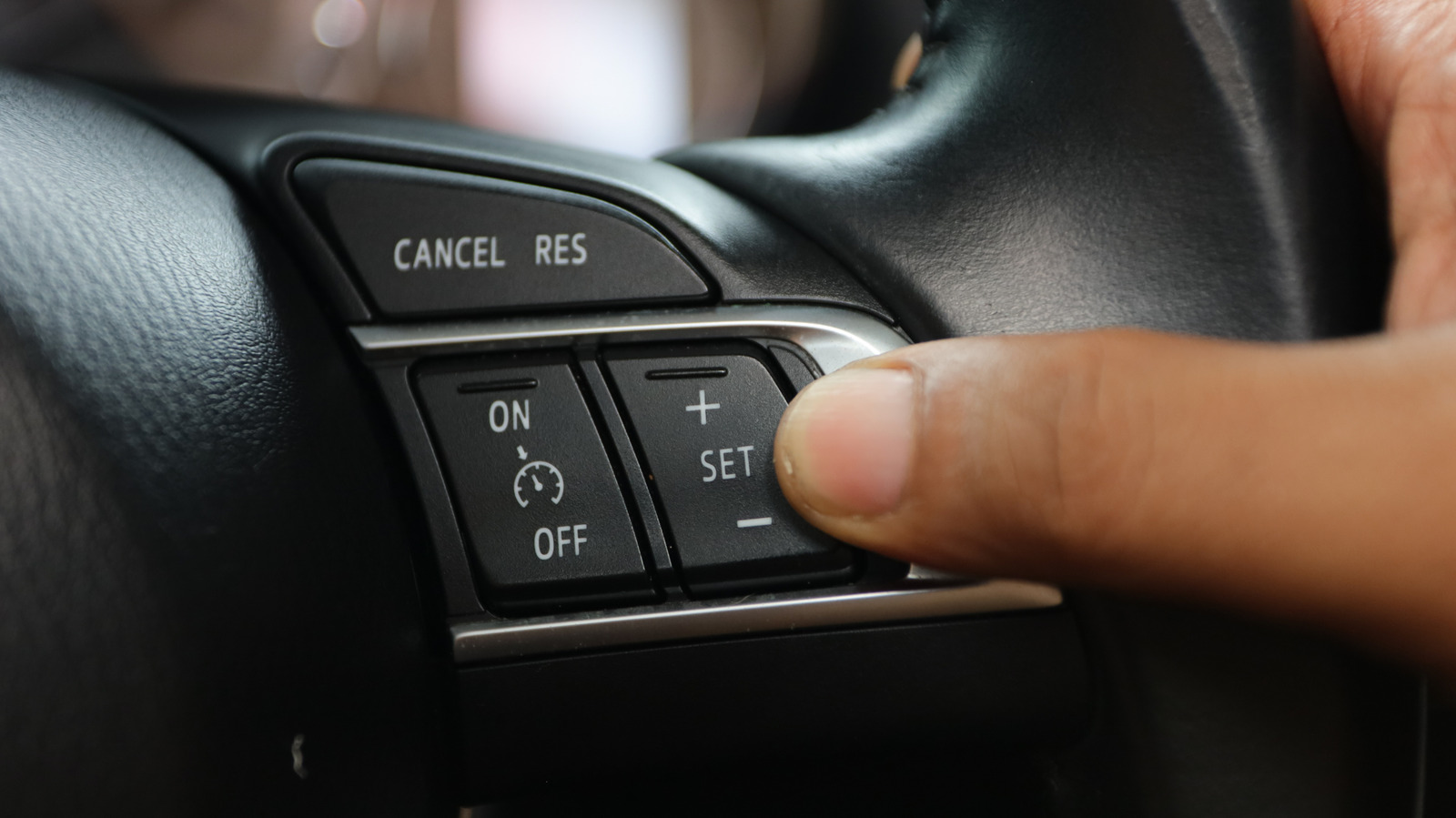
Cruise control isn’t a gadget reserved for automatics; plenty of stick-shift cars have it too, and it can be a real game changer on long drives. This article walks through how cruise control works in manual transmissions, what to watch for when using it, and practical tips to keep things smooth and safe. You’ll get a clear sense of the tech, the trade-offs, and how to use cruise control in a manual without surprises.
At first glance, cruise control looks simple: set your speed and the car holds it. Under the hood it’s doing the heavy lifting by managing throttle input so the engine produces steady power with minimal driver intervention. In many manual cars that power management is handled mechanically or electronically acting on the throttle position without touching the clutch, which keeps the system compatible with a stick shift.
Older manual cars used vacuum or cable-driven systems that nudged the throttle to maintain speed, while modern models usually rely on the engine control unit. With drive-by-wire throttles the ECU can mimic a steady foot on the accelerator by controlling throttle valves and fuel delivery. The result is a stable set speed until the driver intervenes, whether by braking, clutching, or pressing the accelerator.
Engaging cruise control in a stick car follows the same basic idea as in an automatic: accelerate to your target speed, engage the system, and let it do the rest. The big difference is that any use of the clutch will typically cancel cruise control, because the system senses the change in engine load or speed. That means you need to plan lane changes and gear shifts so you’re not repeatedly interrupting the system on long runs.
Hills and traffic introduce nuance. On moderate inclines cruise control will add throttle to try to hold speed, but it has limits; on steep grades it can’t downshift for you, so speed will drop and you might need to manually shift down and resume control. In heavy traffic or on twisty roads cruise control isn’t ideal because frequent gear changes and clutch use become a nuisance and a safety concern.
Safety-wise, cruise control in a manual should be treated as an aid, not a replacement for attention. Keep your foot near the pedals and be ready to intervene; a quick tap of the brake or the clutch will shut the system off if a situation demands it. Also, avoid using cruise control in wet or icy conditions where traction changes can make steady throttle dangerous.
Maintenance and troubleshooting are straightforward. If cruise control misbehaves, start with the basics like fuses and switches, then look at throttle cables or sensors in older systems and the ECU or wiring in newer ones. Regular tune-ups and keeping the throttle system clean help; since cruise control relies on precise throttle response, any drag or sensor drift can cause inconsistent performance.
In the end, cruise control is a useful feature on manuals when used thoughtfully: it lowers fatigue on long highways, helps maintain legal speeds, and can improve fuel efficiency when driving steadily. Remember the clutch cancels the system, adapt your shifting to avoid unnecessary interruptions, and don’t use it where changing conditions demand continuous driver control. With those rules, cruise control in a manual becomes a practical and welcome convenience rather than a complication.
