
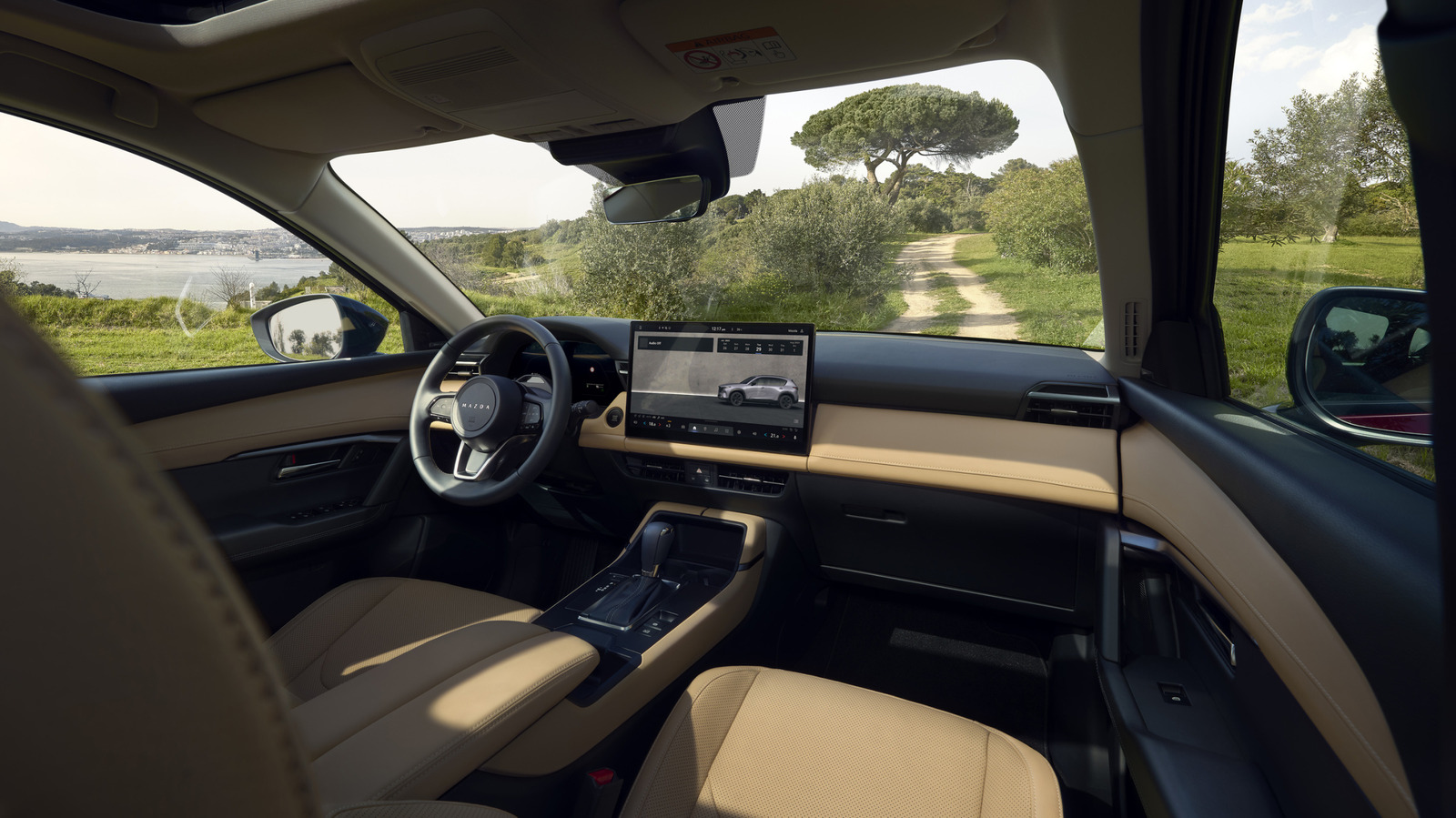
Mazda’s decision to strip the 2026 CX-5 of many physical controls has stirred a loud reaction, and this piece walks through the why, the how, and what owners are saying. We’ll look at the design pivot, the driver impact, safety and usability concerns, and how this move might affect Mazda’s reputation. The goal here is to present the facts and reactions plainly so readers can understand what changed and why it matters.
For years Mazda built a reputation on tactile, driver-friendly interfaces, but the 2026 CX-5 flips that script by prioritizing a cleaner, more digital cabin. Knobs and dedicated buttons that once controlled audio, climate, and quick functions have been replaced by a touchscreen-centric layout. That shift tries to modernize the interior, but it also removes the physical shortcuts drivers relied on for quick, eyes-down adjustments.
The company pitched the change as progress: sleeker aesthetics, fewer moving parts, and a more uniform design language across its lineup. Engineers argue touch interfaces can streamline features and reduce perceived clutter, and some buyers do value a minimalist dash. Still, beauty and practicality are not the same thing when a driver has to hunt through menus for a simple adjustment at a stoplight.
Owners and early reviewers have been blunt about the trade-offs. Complaints center on distraction, slower operation of routine tasks, and the loss of muscle memory that made driving a CX-5 feel intuitive. When a single knob once turned down the volume or changed the fan, now drivers tap a layered menu on a glossy screen, which can be harder to manipulate without looking away from the road.
Safety advocates warned that replacing tactile controls with touch surfaces increases cognitive load during driving, especially in urgent situations. Even small delays in adjusting settings can matter when traffic is busy or weather changes abruptly. Automakers are supposed to balance cutting-edge tech with basic ergonomics; critics say Mazda got that balance wrong in this refresh.
There’s also a practical angle: climate control and radio are used dozens of times on a commute, and frequent interactions are where physical controls shine. People who valued the CX-5 for its driver-centric feel feel betrayed by this pivot toward a smartphone-like cockpit. Dealers have reported tense conversations when loyal customers test-drive the new model and realize they no longer have the tactile controls they expected.
From a business perspective, Mazda likely weighed cost, perceived luxury cues, and market trends favoring digitized cabins. Digital controls can be updated via software and can simplify manufacturing across trims, which trims production complexity. But short-term savings and a high-design look do not always translate into long-term brand loyalty, and upset customers are a measurable risk for a brand that trades on driver appeal.
After the launch backlash, some owners have floated workarounds: third-party knobs that interface with the screen, aftermarket overlays, or simply sticking with older CX-5 model years. While hacks can help, they are not ideal solutions for someone who expects a factory design focused on usability. The reaction suggests a split market: buyers chasing a modern aesthetic, and traditionalists who want immediate, intuitive control.
Mazda now faces a choice about how it responds to criticism: defend the design as the future, take incremental changes in later model years, or offer more tactile options in higher trims. Whatever path it chooses will say a lot about whether the brand prioritizes design trends over the hands-on driving experience that defined much of its appeal. The CX-5 makeover is more than a cosmetic update; it challenges what customers thought Mazda stood for.
