
This piece lays out why Democrats still can’t shake the fallout from the Atlanta debate, how that night exposed weaknesses in Biden-era leadership, and why those weaknesses have helped fuel a far-left insurgency and given Republicans political openings heading into upcoming elections.
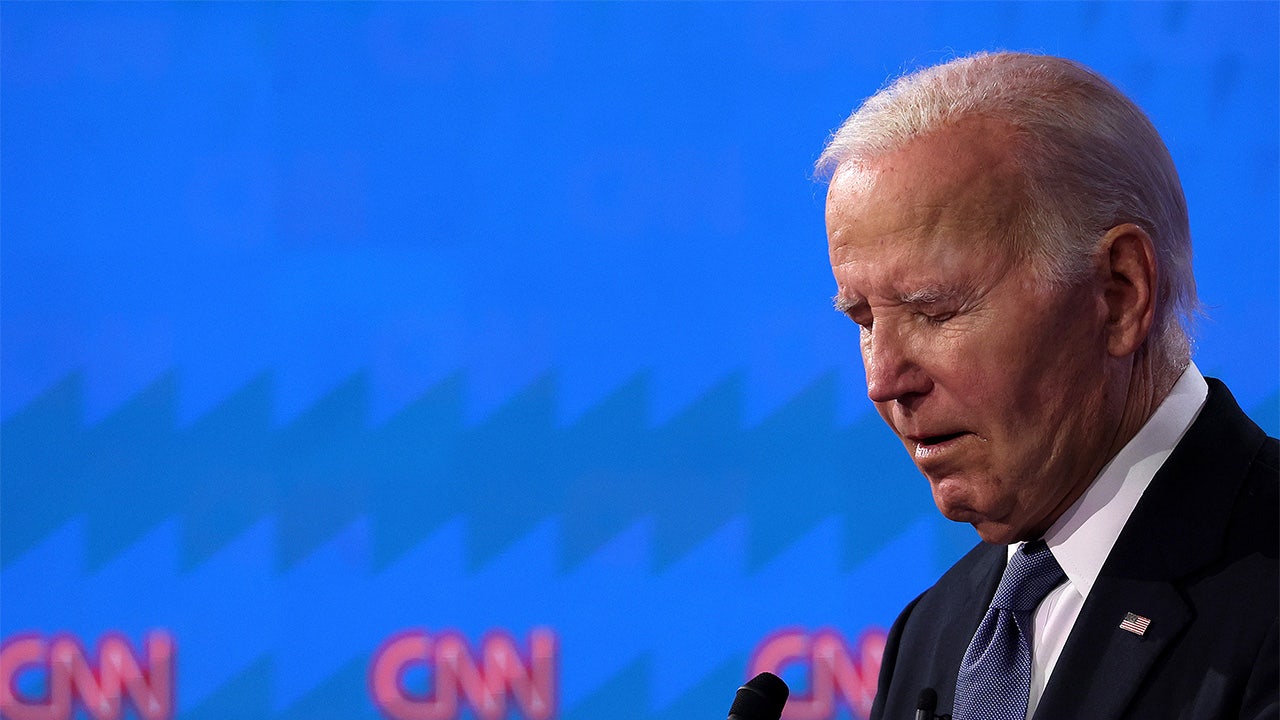
From the moment Joe Biden left the Atlanta debate stage, Democrats have tried to sweep that night under the rug, but the stain won’t come out. Party operatives, memoirs, and internal audits keep circling back to the same problem: voters saw a leader who couldn’t deliver, and the party struggled to manage the optics. That failure has become a recurring political scar that opponents relish and voters remember.
Democratic figures keep reminding the public of missteps and poor judgment, which only reinforces the narrative that Biden should never have sought a second term. The former first lady’s candid admission that she feared a stroke—recorded in her memoir—was jarring because it confirmed what many suspected but officials refused to admit. Those defensive maneuvers from the party’s inner circle looked less like protection and more like cover-up to a lot of voters.
FLASHBACK: THE DEBATE NIGHT AGAINST TRUMP THAT THREW BIDEN’S REELECTION CAMPAIGN INTO A FREE FALL lingers as a political moment Democrats can’t stop explaining away. Journalists and pundits have been blunt: “The Biden Verdict is in. It Isn’t Pretty.” That line captures how even inside-the-beltway writing frames the presidency as a misfire, a period critics describe with phrases like “The administration was ‘an ominous interregnum’” and that it “ended somewhere between tragedy and farce.”
The policy record didn’t help. Border policy felt chaotic to many voters, economic choices fed inflationary fears, and the Afghanistan withdrawal was a public relations disaster with real consequences. Add to that a cultural focus on transgender issues that alienated parts of the electorate, and you get a political recipe that left traditional swing voters cold.
Even on issues where Democrats hoped to score points, like climate policy, the messaging rarely landed. Voters saw initiatives announced but rarely felt a convincing narrative or practical results tied to everyday concerns. The disconnect between big statements and small impact made it easy for opponents to portray the administration as all rhetoric and little leadership.
Biden’s promise to bridge older moderates and younger progressives didn’t hold up. Instead of calming party tensions, his presidency accelerated them, making progressives the loudest, most organized force in many primaries. That shift has real repercussions: candidates who play well in San Francisco or Brooklyn often struggle when the map includes suburban and rural voters.
We’re already seeing the consequences. Insurgent candidates backed by progressive figures won key New York races, showing that the far-left’s momentum isn’t hypothetical. Similar trends in Michigan, Maine, and Texas—where names like Abdul El-Sayed, Graham Platner, and James Talarico surfaced in competitive primaries—underscore how the party’s center is being hollowed out.
That internal realignment risks locking Democrats into positions that are politically damaging across broader electorates. Progressives may excite activists, but statewide and national races look very different when you need to win across diverse geographies and demographics. Republicans can make a clear case against policies that voters blame for higher costs and less control at the border.
Beyond policy and ideology, scandals keep resurfacing. Hunter Biden’s continued presence online with his “X-rated X posts” is a steady reminder of the family controversies that trail the party. Those distractions keep appearing in headlines and feeds, pulling attention away from any attempt at forward-looking messaging.
All of this hands Republicans a straightforward argument: do you want to return to the chaos of the recent past, or try something different? Even with Trump’s own baggage, Republicans can point to a record of inflation and border failures and ask voters whether those policies deserve another term. That question is a compelling line of attack heading into midterms where the incumbent’s shadow still looms large.
The Democratic brand has been weakened by a mix of leadership doubts, policy misfires, internal factional battles, and headline-making scandals. Those factors don’t just explain why Biden’s presidency is being judged harshly now, they explain why the party is struggling to present a united, electable alternative as the next election cycle approaches.
