
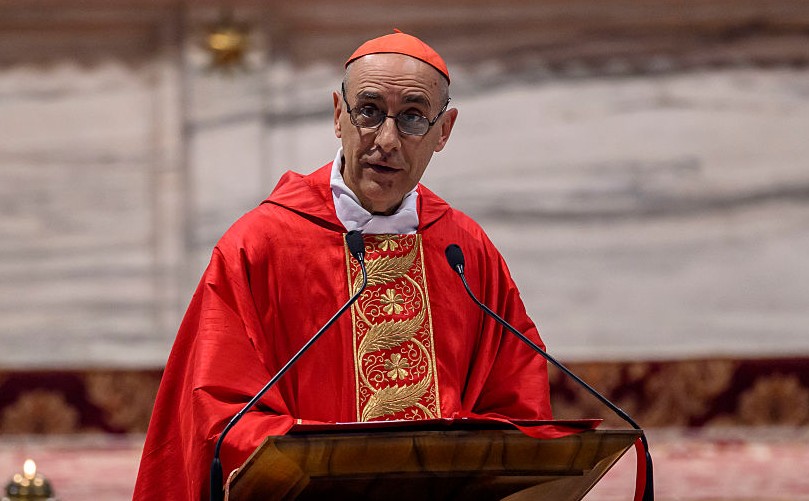
A newly surfaced 1995 paper by the future Prefect of the Dicastery for the Doctrine of the Faith raises questions because it seems to lean toward the universalist idea that all souls are saved, a position long rejected by official Church teaching. The document’s tone and arguments have sparked careful scrutiny from theologians, clergy, and laypeople who are weighing context, intent, and doctrinal boundaries. What follows is an explanation of the main issues, the historical background of the teaching involved, and why the paper matters for those who care about clarity in doctrine.
The Dicastery for the Doctrine of the Faith exists to uphold and clarify Catholic teaching, especially on matters of salvation and moral theology. A text from 1995 attributed to someone who later rose to lead that office naturally draws attention because it touches the core mission of the institution. When a private essay or academic paper by a future leader appears to contradict long-standing positions, it invites questions about continuity, development, and the line between speculation and official teaching. People want to know whether this is personal musing or something that might influence official guidance.
Universalism, in the theological sense at issue here, is the claim that ultimately all people will be saved, regardless of their beliefs or actions. That idea has been addressed and rejected in various forms by the Church over centuries because it clashes with doctrines about judgment, free will, and the necessity of grace. The alleged endorsement of universalist tendencies in the 1995 paper is therefore sensitive; it touches on sacramental, pastoral, and soteriological implications that matter to priests and faithful alike. The Church’s caution stems from a desire to protect the coherence of its moral and eschatological teaching.
Context matters a great deal when reading a single essay written decades ago. Scholars urge readers to examine the full text, the intended audience, and the argumentation rather than isolating a phrase or two. Academic or speculative theology sometimes explores improbable scenarios or emphasizes pastoral hope without intending to propose a doctrinal shift. Still, when the author later assumes a role charged with defending doctrine, pastoral speculations that tilt in disputed directions become more consequential and invite formal clarification.
Reactions among clergy and theologians have been mixed, with some calling for a measured response and others demanding clearer statements from ecclesial authorities. Those who defend the paper argue it may reflect nuanced theological exploration or rhetorical emphasis on God’s mercy. Critics worry that even ambiguous formulations could be seized on to justify heterodox positions or confuse the faithful. The balance between mercy and truth is often where controversy intensifies, because both are central to Christian conviction yet can be stressed differently.
For the laity, the discovery has practical implications: people look to doctrinal offices for stability and guidance in sacramental and moral life. When questions arise about the views held by senior officials, parishioners want reassurance that core teachings remain intact and that pastoral practice will reflect established doctrine. Bishops and dicasteries typically respond to such concerns by issuing clarifications, publishing fuller contexts, or inviting discussion through synodal processes. Transparency and reasoned explanation help prevent rumor and misunderstanding from shaping the conversation.
Ultimately, tracing the influence of a single piece of writing requires patience and careful scholarship. The proper response combines careful reading, honest historical appraisal, and pastoral sensitivity that respects both the seriousness of doctrine and the complexity of theological reflection. As the discussion proceeds, observers will look for official responses and for thoughtful engagement that neither shrinks from doctrinal clarity nor ignores the pastoral need to speak about hope and mercy in ways that edify the faithful.
