
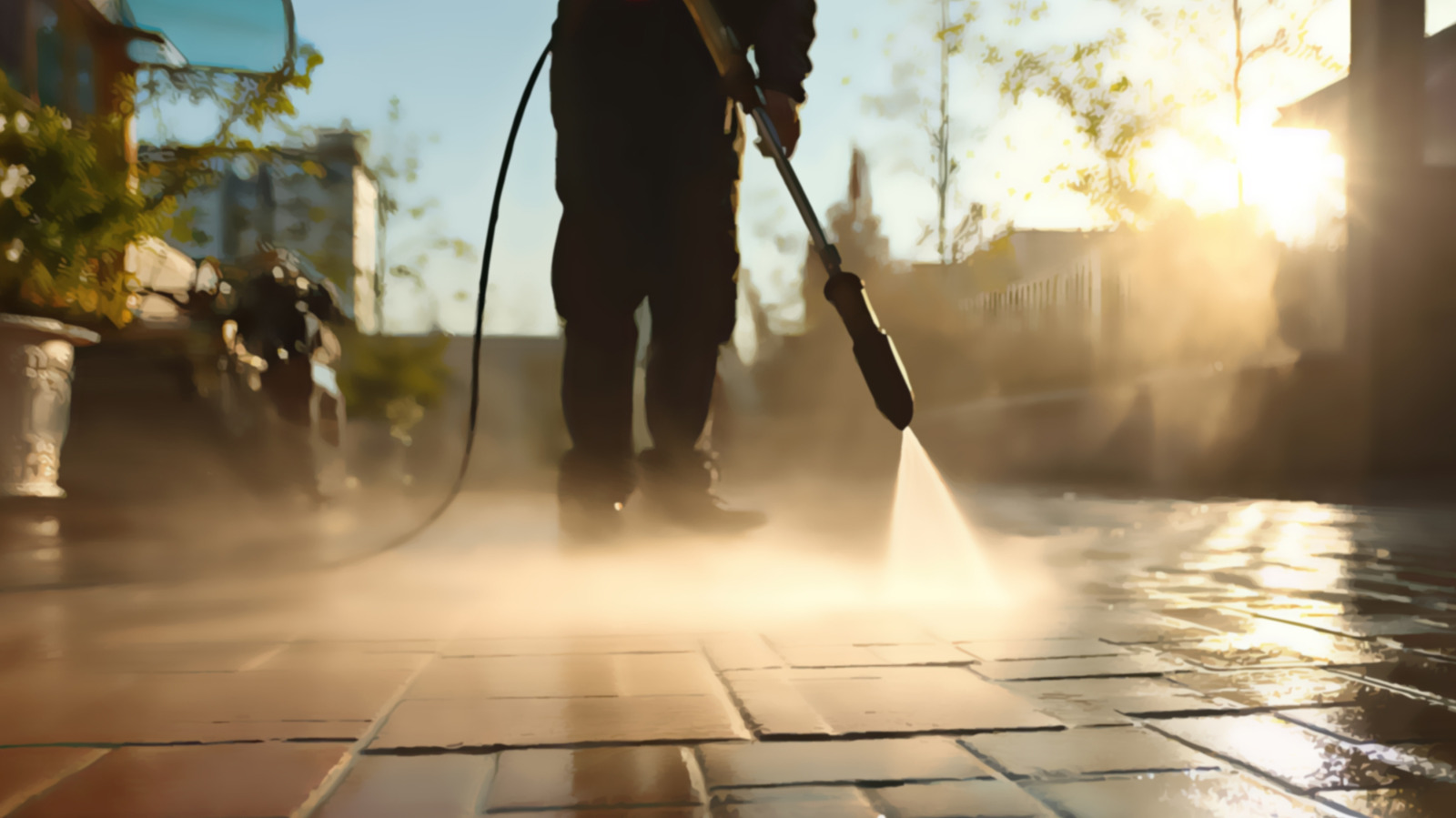
Concrete driveways don’t need a pressure washer to look good; this article walks through practical, affordable alternatives that handle oil, mildew, rust, and deep grime while keeping safety and the environment in mind.
If you want to avoid renting loud equipment, start with good elbow grease and a stiff brush. A heavy-duty brush plus hot water and a concentrated degreasing soap will break down typical surface dirt and fresh oil spots without harsh chemicals. Work in sections so the cleaner doesn’t dry on the surface, and rinse well with a garden hose as you go. This approach is cheap, effective, and gentle on landscaping.
For stubborn oil stains, absorbents are your best friend before any chemical treatment. Spread cat litter, sawdust, or commercial absorbing powder over a fresh spill, let it sit for several hours, then sweep it up and repeat if necessary. After the bulk is removed, apply a solvent-free degreaser or a paste made from powdered laundry detergent and water, scrub, and rinse. That two-step absorb-and-clean routine takes the worst of the stain out without aggressive stripping.
Oxygen bleach solutions are a powerful and eco-friendly option for mildew and organic staining. Mix according to the product instructions, apply with a pump sprayer, let it fizz for 10 to 20 minutes, then scrub and rinse. It whitens and brightens concrete without the toxic runoff concerns that come with chlorine bleach. Use gloves and eye protection and avoid applying on very hot surfaces to prevent quick evaporation.
For rust and mineral stains, carefully chosen acids can work—but handle them with respect. Milder products formulated for rust removal often contain oxalic acid or similar compounds that dissolve rust without damaging the concrete if used as directed. Always do a small test patch and wear protective gear, and neutralize the area afterward with a baking soda rinse to protect plants and soil. Never mix acids with other cleaners, especially chlorine bleach.
>A paste made from powdered detergent or baking soda and water can act like a poultice for deeper, set-in stains. Spread the paste over the spot, cover it with plastic wrap to slow drying, and leave it overnight; the paste will draw contaminants up from the pores as it dries. The next day, remove the wrap, scrub, and rinse thoroughly. Poultices are slow but can save you a trip to heavy machinery for localized trouble spots.
If you want mechanical help without a pressure washer, consider a deck scrubber or a rotary surface cleaner fitted to a drill. These tools multiply your scrubbing power and cover more ground faster than hand brushing alone. They remove top-layer grime and prepare the surface for sealers, and they are quieter and easier on the concrete than a full-powered washer. Pair them with the right cleaning solution for the best results.
Concrete grinders and scarifiers are a last-resort option for surfaces that are horribly stained, uneven, or coated with paint and oil that refuses to budge. These remove a thin layer of concrete to expose fresh surface beneath, restoring a near-new look but requiring skill and dust control measures. Rent equipment only if you know how to use it, and take measures to protect air quality and nearby plantings. For most homeowners, lighter methods will solve the problem without this step.
Safety and disposal matter as much as cleaning technique. Wear gloves, eye protection, and a mask when using chemical cleaners or power tools, and always ventilate enclosed areas. Capture runoff and avoid sending concentrated cleaners into storm drains or garden beds. Neutralize acidic residues and dispose of used absorbents according to local regulations to limit environmental harm.
Finish with a preventative plan to keep your driveway looking good longer. Sweep regularly, remove spills promptly, and reseal concrete every few years with a breathable sealer to repel oil and water. Small, consistent efforts cut down the need for deep scrubbing later, and they keep your driveway functional and attractive without pressure washing.
