The House is debating an appropriations measure that, for Republicans, is about one clear goal: stop taxpayer dollars from underwriting online censorship. The proposal bars funding for actions that silence lawful speech and aims to cut off government support for NGOs or contractors who help platforms blacklist Americans. It also points to a long list of foreign-facing programs that will still get money, and that contrast makes this fight political and practical at the same time.
The bill adds language to ensure federal dollars can’t be used to target Americans online for expressing lawful views. It forbids any funding for deplatforming, deboosting, demonetizing, suppressing, or otherwise penalizing lawful speech inside the United States. That wording is designed to make it illegal for the government to help tech firms pick winners and losers in public debate.
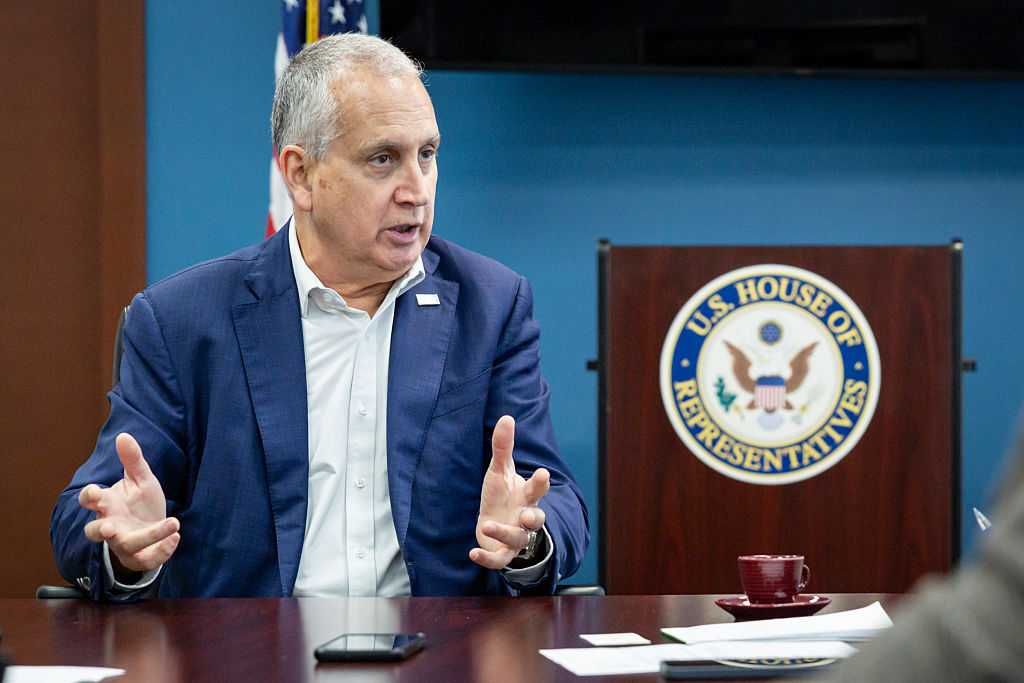
Rep. Mario Díaz-Balart played a key role shaping those protections and the provisions read like a straight-line defense of free expression. The measure also blocks programs that would let the government influence advertising, sponsorships, payments, or other revenue decisions because of someone’s lawful speech. The core idea here is simple: government money should not be a censorship tool.
“Prohibitions on any form of deplatforming, deboosting, demonetizing.” That exact phrase sits at the center of the new language and won’t be easy to ignore. Mike Benz, director of the Foundation for Freedom Online, has pointed out this bill explicitly prevents NGOs, contractors, or subcontractors from aiding foreign governments that want to impose censorship on platforms. The clarity is deliberate — Republicans who see bias against conservative voices want enforceable rules rather than vague promises.
At the same time, the bill funds a number of organizations and programs that many Americans know little about. That list includes institutions that operate overseas, offer scholarships, or host academic exchanges, and those appropriations are what critics on the right say deserve scrutiny. The tension is obvious: the sponsors want to block censorship assistance while still supporting certain foreign policy and cultural programs.
The National Endowment for Democracy is among the bodies that receive appropriations in the package; its stated mission is to back nongovernmental groups working on democratic goals abroad. Other funded programs include scholarship initiatives for students from specific regions and trusts that promote scholarly dialogue across borders. For Republicans who worry about fiscal discipline and national interest, these line items raise straightforward questions about priorities.
Also on the funding list are regional centers and foundations that promote academic and cultural exchange across Asia, the Pacific, and the Middle East. Some of these organizations run conferences, research initiatives, and exchanges designed to build relationships and understanding. Supporters argue these efforts advance American influence and stability, while critics view parts of that work as soft power that needs more oversight.
Conservative lawmakers pushing the censorship ban argue federal money must never be a lever for silencing citizens or for turning platforms into arms of foreign policy. They want explicit, enforceable language that cuts off any role for the government or its grantees in operational blacklists or content penalties. The debate now centers on whether those guardrails are strong enough and whether other appropriations should be reexamined alongside them.
The House is set to vote on final passage this week, and supporters are making a clear case: stop taxpayer-funded censorship without gutting legitimate foreign policy tools. How members balance protecting Americans’ speech with funding overseas programs will determine the bill’s fate and set a tone for future fights over tech, money, and national priorities.
https://x.com/MikeBenzCyber/status/2069222422968934713