
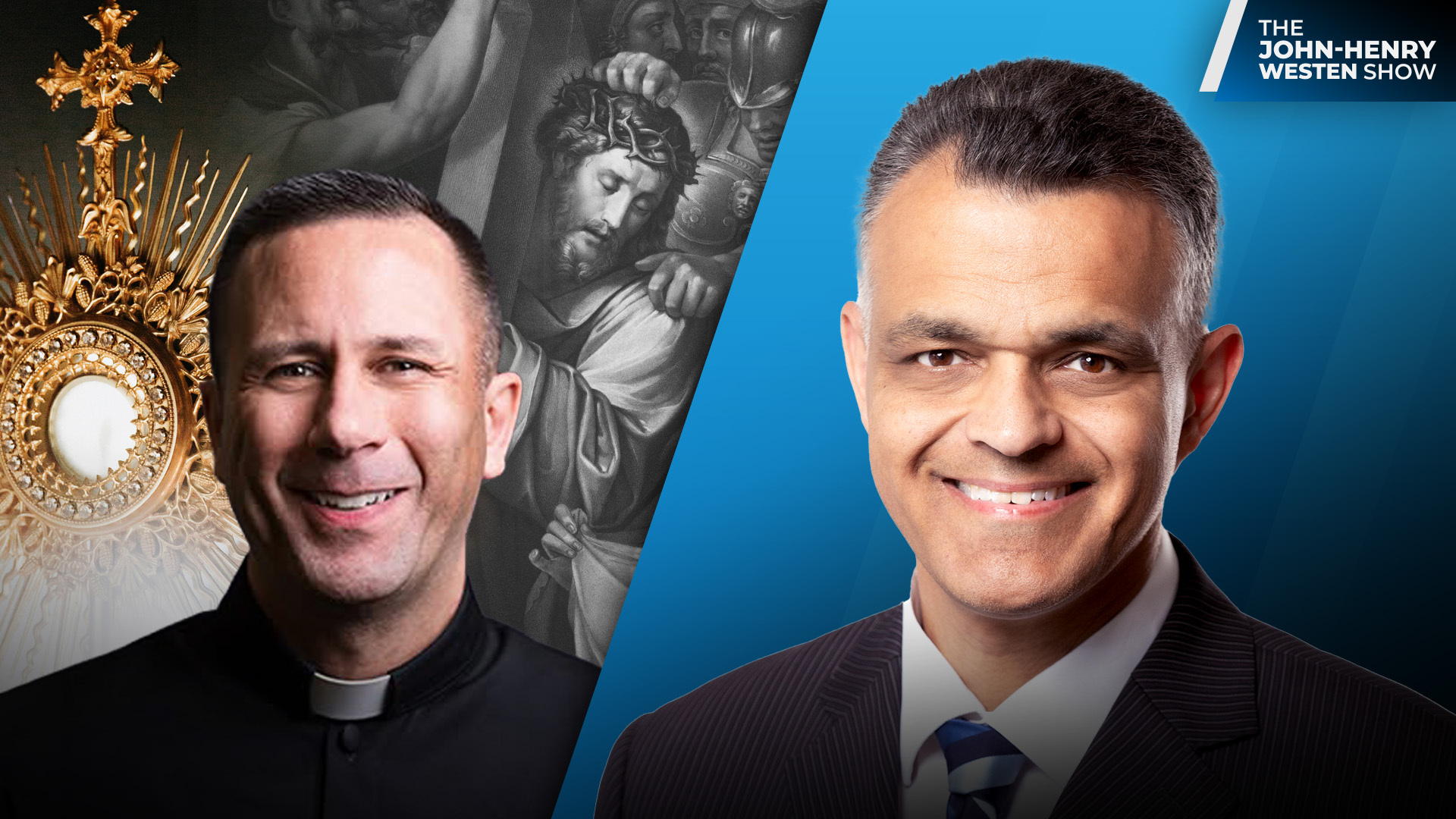
This piece argues that a widespread quieting of teaching on death, judgment, heaven, and hell has left many Catholics spiritually adrift and unprepared. It relays Fr. Jeff Fasching’s urgent call to recover a bold focus on eternal realities, to restore the Eucharist as the center of life, and to revive adoration as essential, not optional. The article explains why assuming most people are saved is dangerous and sketches pastoral moves to bring clarity, conviction, and care back into parish life.
Too many believers no longer carry an inner sense of eternity, and that loss changes how they live now. When the Church retreats from talking about what comes after this life, ordinary decisions lose weight and moral resolve thins. Faith becomes a feel-good habit instead of a decisive orientation toward infinite ends.
Fr. Jeff Fasching voices the problem bluntly: preaching on last things has been muted, and that silence has consequences. He insists the Church’s primary job is to make people aware of eternal consequences and to call them to a serious, grace-filled life. Without clear teaching, people drift into assumptions that suit the culture rather than the Gospel.
The Eucharist sits at the center of this critique because it is where eternity touches time most concretely. Fasching describes the Eucharist as the anchor of Christian life, the place where sacrifice, presence, and mercy converge. When Eucharistic worship is reduced to routine, the power that reorients hearts toward God weakens.
Adoration is not mere devotional flair; it is the deepest human action, according to Fasching. Sitting in true adoration trains the soul to recognize God’s transcendent claim and to respond with humility and love. If adoration is treated as optional, the spiritual muscle that sustains conversion and moral courage never develops, and other efforts falter.
There is a modern assumption that most people automatically make it to heaven, and Fasching warns that this presumption is dangerous. He points to Christ’s stark warnings, even quoting “the […] to remind readers that the Gospel contains urgent, unsettling calls to repentance. The New Testament repeatedly invites a sober view of sin and a clear sense of why redemption matters.
The pastoral implications are practical and immediate: preaching must recover clarity about death, judgment, heaven, and hell without abandoning mercy. Parishes should offer catechesis that forms consciences, homilies that address ultimate realities, and confession that frees people to live the virtues. This is not fear for fear’s sake, but a call to sober hope and honest conversion.
Reviving Eucharistic devotion and adoration also asks for liturgical creativity and pastoral courage. Priests and lay leaders can schedule regular times for exposition, encourage periods of silent prayer, and teach the faithful how to adore. When people learn to sit before Christ and listen, their moral vision sharpens and ordinary choices begin to reflect eternal priorities.
Education matters: catechists must reconnect doctrine and life so children and adults alike understand why the last things matter. Clear instruction on death, judgment, heaven, and hell helps form decisions about marriage, work, charity, and public witness. A confident, compassionate presentation of truth allows people to choose freely and responsibly.
Finally, pastoral life should balance urgency with tenderness, calling people away from complacency while offering paths back through confession, spiritual direction, and communal prayer. The Church’s mission includes confronting dangerous assumptions and inviting real conversion, anchored in the sacramental life. That recovery will not happen by accident; it will take preaching, prayer, and a renewed hunger for the presence of Christ in the Eucharist.
